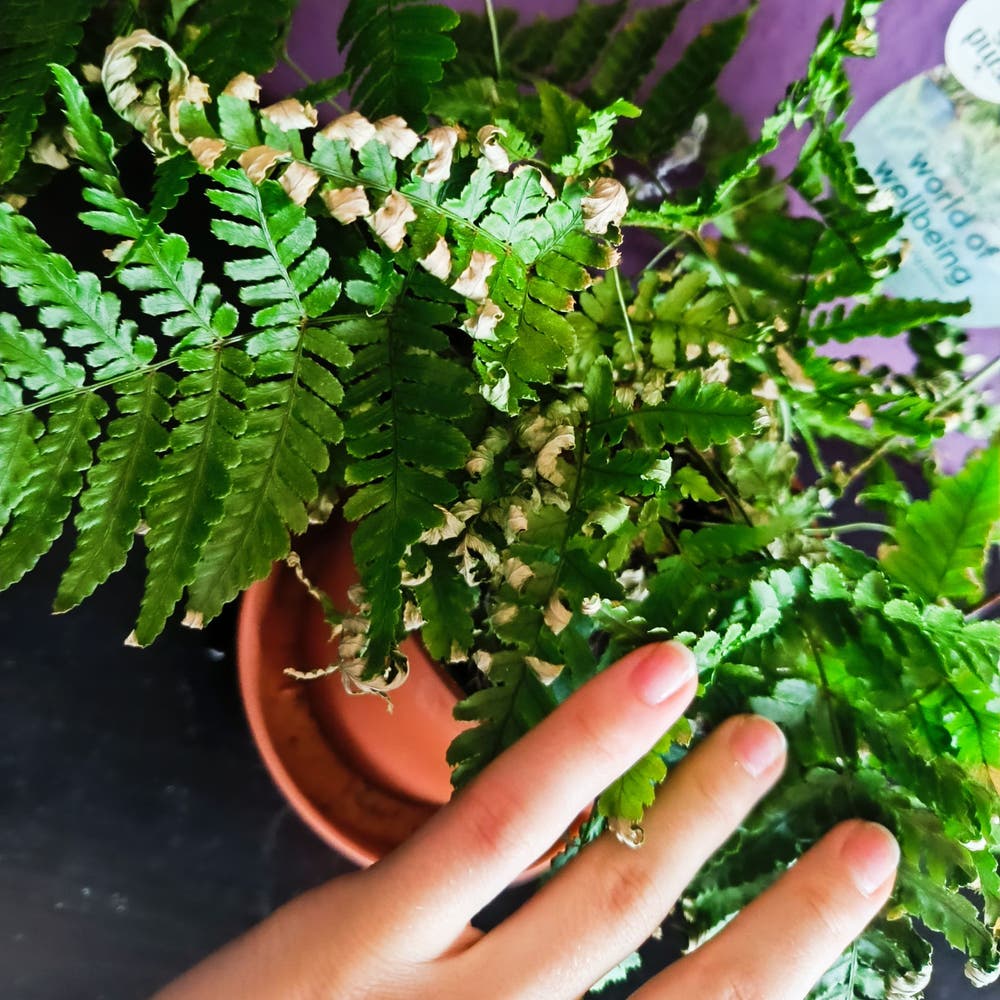
How and When to Pollinate Leather Fern 🐝
Rumohra adiantiformis
By the Greg Editorial Team
Jan 07, 2025•5 min read
This article was created with the help of AI so we can cover more plants for you. May contain errors. See one? Report it here.
- 🌱 Leather Fern reproduces through spores, not traditional pollination methods like self or cross-pollination.
- 💧 Humidity and moisture are vital for spore release and germination success.
- 🌿 Hand pollination enhances growth; collect and transfer spores carefully for best results.
Self-Pollination vs. Cross-Pollination
🌱 Pollination Strategy
Leather Fern primarily relies on spore reproduction, which is quite different from the traditional concepts of self-pollination and cross-pollination.
- Self-pollination refers to the transfer of pollen within the same plant, while cross-pollination involves the transfer of pollen between different plants.
📚 Importance of Understanding Pollination
Understanding the nuances of pollination can significantly enhance your care practices for Leather Fern.
- This knowledge not only improves the plant's overall health but also boosts its reproductive success.
- Additionally, being aware of environmental factors that influence spore dispersal and germination can lead to better cultivation outcomes.
By grasping these concepts, you can create a thriving environment for your Leather Fern, ensuring it flourishes beautifully.
Flower Structure
Description of Flower Structure 🌿
Leather Ferns are unique in that they don't produce traditional flowers. Instead, they have specialized structures called sori, which are clusters of sporangia located on the underside of their fronds.
These sori are typically brown or yellowish when mature, showcasing a distinct appearance. Depending on the species, the arrangement of sori can vary, adding to the fern's unique character.
Role of Flower Structure in Facilitating Pollination 🌱
While sori play a crucial role in spore production, they primarily facilitate spore dispersal rather than traditional pollination. Understanding this process is key to appreciating how Leather Ferns reproduce.
Moisture and humidity are vital for successful spore release and germination. A humid environment helps ensure that spores can disperse effectively, leading to healthy fern growth.
Pollination Process
🌬️ Mechanisms of Spore Dispersal
Leather Ferns release spores from specialized structures called sori, located on the underside of their fronds. When mature, these sori burst open, allowing spores to scatter into the environment.
Wind and water play crucial roles in this dispersal process. Wind can carry spores over long distances, while water can help transport them to new locations, increasing the chances of germination.
🐝 Identification of Primary Pollinators
Although Leather Ferns don’t rely on traditional pollinators like bees or butterflies for reproduction, understanding the surrounding ecosystem is vital. A healthy environment supports the growth of these ferns and can enhance their reproductive success.
Certain pollinator species, such as bees, contribute indirectly by pollinating nearby flowering plants. This interaction fosters biodiversity, creating a thriving habitat for both ferns and pollinators.
🌼 Attraction Strategies for Pollinators
To attract beneficial pollinators, consider creating a diverse garden filled with various flowering plants. This not only enhances the beauty of your space but also supports the ecosystem.
Maintaining a humid environment is equally important. High humidity benefits both Leather Ferns and the pollinators that visit your garden, ensuring a harmonious relationship that promotes growth and reproduction.
Hand Pollination
📝 Step-by-Step Instructions for Hand Pollinating Leather Fern
Hand pollination of Leather Fern can be a rewarding process, allowing you to engage directly with your plant's reproduction. Follow these simple steps to ensure success:
- Identify mature sori on the underside of fronds. These are the clusters where spores are produced.
- Collect spores using a clean, dry container. Be gentle to avoid damaging the sori.
- Transfer spores to a suitable growing medium. This could be a mix designed for ferns or a well-draining potting soil.
- Ensure optimal moisture and humidity for germination. Keep the medium consistently moist but not soggy.
🔍 Identifying Male and Female Parts
It's important to note that Leather Fern does not have traditional male and female parts. Instead, it reproduces through spores, which are produced in the sori. This unique reproductive strategy allows the fern to thrive in various environments.
📦 Collecting and Transferring Spores
When collecting spores, use a soft brush or your fingers to gently gather them from the sori. Ensure that the spores are dry before transferring them to your growing medium. This will help prevent clumping and promote even distribution, increasing the chances of successful germination.
By understanding these steps, you can effectively hand pollinate your Leather Fern and contribute to its growth and health. This hands-on approach not only enhances your gardening skills but also deepens your connection with this fascinating plant.
As you embark on this journey, remember that patience is key. The process may take time, but the rewards of nurturing your fern will be well worth the effort. Next, let’s explore the common challenges you might face during pollination and how to overcome them.
Pollination Challenges
Common Obstacles to Successful Pollination 🌧️
Leather Fern faces several environmental challenges that can hinder successful spore dispersal. Two significant factors are temperature fluctuations and low humidity levels.
Temperature changes can disrupt the delicate balance needed for spore release. When temperatures swing too high or too low, it can affect the viability of the spores.
Low humidity is another critical issue. Ferns thrive in moist environments, and insufficient humidity can prevent spores from dispersing effectively.
Solutions for Overcoming Environmental Challenges 💪
To maintain optimal conditions for Leather Fern, consider implementing a few straightforward strategies. Regular misting can significantly increase humidity around the plant, creating a more favorable environment for spore release.
Using shade cloth is another effective method. It helps protect the fern from extreme temperatures, ensuring that the plant remains healthy and capable of successful reproduction.
Additionally, monitoring local pollinator populations is essential. By adjusting your garden practices accordingly, you can create a thriving ecosystem that supports both Leather Fern and its surrounding environment.
With these strategies in place, you can enhance the chances of successful spore dispersal and contribute to the overall health of your Leather Fern.
⚠️ Safety First
This content is for general information and may contain errors, omissions, or outdated details. It is not medical, veterinary advice, or an endorsement of therapeutic claims.
Always consult a qualified healthcare professional before using any plant as food, medicine, or supplement.
Never eat any plant (or feed one to pets) without confirming its identity with at least two trusted sources.
If you suspect poisoning, call Poison Control (800) 222-1222, the Pet Poison Helpline (800) 213-6680, or your local emergency service immediately.
Spotted an error? Please report it here.
Pollinating your Leather Fern can be rewarding 🌱 when you use Greg's tailored humidity reminders and care tips to create the ideal environment for thriving spores!