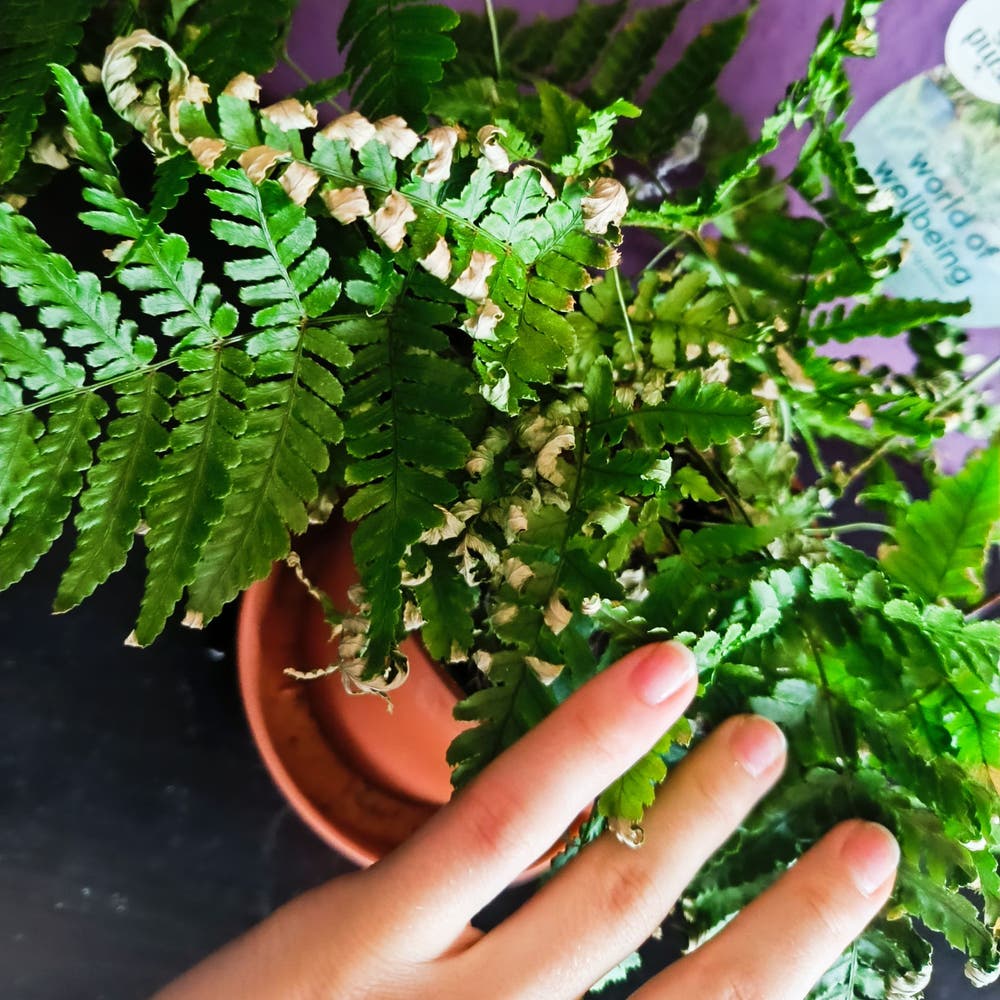
What to Do About Curling Leaves on Your Leather Fern
Rumohra adiantiformis
By the Greg Editorial Team
Oct 19, 2024•5 min read
This article was created with the help of AI so we can cover more plants for you. May contain errors. See one? Report it here.
- 🌞 Curling leaves result from environmental stress, like direct sunlight and temperature changes.
- 💧 Overwatering and underwatering both cause curling; adjust watering practices accordingly.
- 🌿 Maintain humidity levels between 50-70% to prevent leaf curling in leather ferns.
Causes of Curling Leaves
🌪️ Environmental Stress Factors
Curling leaves on your leather fern often stem from environmental stress. Direct sunlight can scorch leaves, leading to unsightly curling.
Temperature fluctuations also play a significant role. Ideally, your fern should thrive in temperatures between 60°F to 75°F (15°C to 24°C); extremes can induce stress and curling.
Poor air circulation is another culprit. Stagnant air can increase susceptibility to diseases, further exacerbating leaf curling.
💧 Watering Issues
Overwatering
Overwatering is a common issue that can lead to curling leaves. Symptoms include yellowing leaves, soggy soil, and root rot.
This often occurs due to infrequent checks of potting soil, resulting in waterlogged conditions that stress the plant.
Underwatering
Conversely, underwatering can also cause curling. Look for dry, crispy leaf edges and wilting fronds as signs of distress.
Inconsistent watering schedules or neglect can lead to these symptoms, making it crucial to establish a routine.
🌫️ Humidity Levels and Their Impact
Humidity levels significantly affect your fern's health. The ideal humidity range is 50-70% for optimal growth.
Low humidity can lead to frond curling and browning tips. Signs of inadequate humidity include dry, brittle leaves and overall plant stress.
🥦 Nutrient Deficiencies
Nutrient deficiencies can also contribute to curling leaves. Common deficiencies include nitrogen, potassium, and magnesium.
Symptoms often manifest as yellowing leaves, stunted growth, and curling fronds. Balanced fertilization is essential for maintaining healthy growth.
🕷️ Pest Infestations
Spider Mites
Spider mites are notorious for causing curling leaves. Look for fine webbing and stippled leaves as indicators.
These pests weaken the plant, leading to further curling and distress.
Aphids
Aphids can also be a significant issue. Symptoms include sticky residue on leaves and distorted growth.
These pests can cause considerable stress, resulting in noticeable leaf curl.
Understanding these causes is the first step in addressing curling leaves on your leather fern. Next, we’ll explore how to diagnose these issues effectively.
Diagnosing Curling Leaves
🌿 Identifying Symptoms
Curling leaves can manifest in two main ways: upward or downward. Upward curling often indicates underwatering, while downward curling may signal overwatering or stress.
Changes in leaf texture are also telling. Leaves may shift from a healthy leathery feel to limp or crispy, indicating underlying issues that need attention.
🔍 Differentiating Between Causes
To pinpoint the cause of curling leaves, start by checking for pests. Look closely at the undersides of leaves for any signs of infestation.
Next, assess your watering practices. Checking soil moisture levels and examining root health can reveal whether your fern is suffering from overwatering or underwatering.
📊 Visual Indicators of Health Issues
Color changes in the leaves are significant indicators of stress. Yellowing or browning leaves often suggest that something is amiss.
Additionally, observe the shape of the leaves. Distorted or misshapen leaves can signal deeper health problems that require immediate action.
Understanding these symptoms and indicators is crucial for maintaining the health of your leather fern. With this knowledge, you can take the necessary steps to restore your plant's vitality.
Next, let’s explore effective solutions for curling leaves to help your fern thrive.
Solutions for Curling Leaves
🌊 Adjusting Watering Practices
To tackle curling leaves, start by checking soil moisture. Use a moisture meter or your finger to gauge how wet the soil is.
Next, adjust your watering frequency to maintain consistent moisture without waterlogging. Ensure your pots have adequate drainage holes to prevent soggy conditions.
💧 Increasing Humidity Levels
Humidity plays a crucial role in fern health. Consider using humidity trays by placing pebbles in a tray filled with water under the pot.
You can also mist the leaves lightly in the morning to boost humidity. If your space is particularly dry, using a humidifier can make a significant difference.
🌱 Fertilization Tips for Healthy Growth
Fertilization is key for vibrant ferns. Opt for a balanced, water-soluble fertilizer to provide essential nutrients.
Fertilize every 4-6 weeks during the growing season for optimal growth. Always dilute according to package instructions and apply to moist soil to avoid burning the roots.
🐞 Pest Management Strategies
Regular inspections are vital for keeping pests at bay. Check your fern weekly for any signs of infestations.
If you spot pests, consider using organic treatments like neem oil or insecticidal soap. Introducing beneficial insects, such as ladybugs, can also help control aphid populations effectively.
By implementing these solutions, you can help your leather fern thrive and prevent curling leaves. Next, let’s explore preventative measures to keep your fern healthy in the long run.
Preventative Measures
Ideal Growing Conditions 🌱
Creating the right environment is crucial for your leather fern's health. Aim for indirect sunlight for 6-8 hours daily to prevent leaf burn.
Ensure the soil is well-draining and rich in organic matter. This promotes healthy root growth and prevents waterlogging.
Maintain a temperature range between 60°F to 75°F (15°C to 24°C). This helps your fern thrive without experiencing stress.
Regular Maintenance Tips 🧹
Regular care can make a significant difference in your fern's vitality. Pruning is essential; remove any dead or damaged fronds to encourage new growth.
Don't forget to clean the leaves regularly. Wiping them down removes dust and enhances photosynthesis, keeping your fern vibrant.
Seasonal Care Adjustments 🌦️
Adjusting care based on the season is key to maintaining your fern's health. In winter, reduce watering frequency and keep an eye out for dry indoor air, which can stress your plant.
During summer, increase humidity levels and check for pests more frequently. This proactive approach helps ensure your fern remains healthy year-round.
By following these preventative measures, you can significantly reduce the chances of curling leaves and promote a thriving leather fern. Next, let’s explore effective solutions for addressing curling leaves when they do occur.
⚠️ Safety First
This content is for general information and may contain errors, omissions, or outdated details. It is not medical, veterinary advice, or an endorsement of therapeutic claims.
Always consult a qualified healthcare professional before using any plant as food, medicine, or supplement.
Never eat any plant (or feed one to pets) without confirming its identity with at least two trusted sources.
If you suspect poisoning, call Poison Control (800) 222-1222, the Pet Poison Helpline (800) 213-6680, or your local emergency service immediately.
Spotted an error? Please report it here.
Keep your leather fern curl-free 🌱 by using Greg's tailored care reminders and community insights to master the perfect humidity and watering balance!