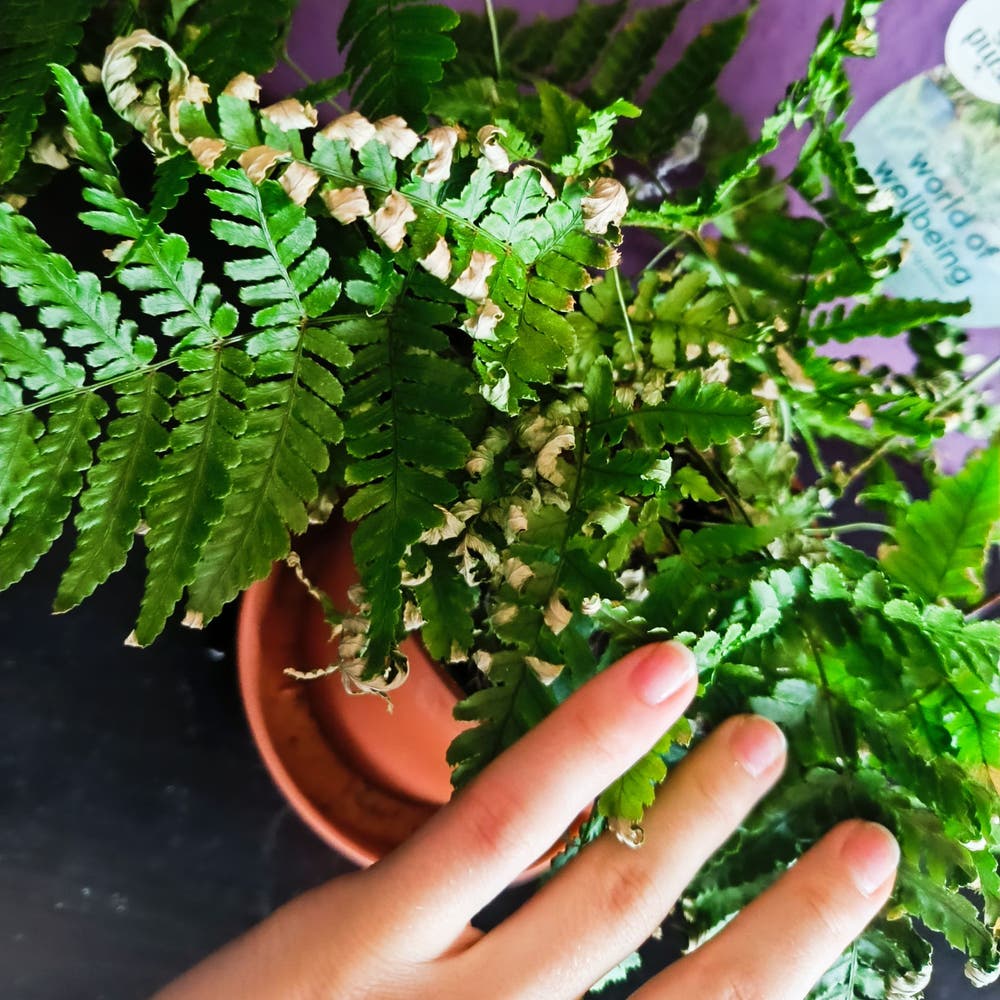
When and How to Repot Your Leather Fern 🪴
Rumohra adiantiformis
By the Greg Editorial Team
Jan 07, 2025•6 min read
This article was created with the help of AI so we can cover more plants for you. May contain errors. See one? Report it here.
- 🌱 Repot when roots push out of drainage holes or fronds yellow.
- 🌼 Best time to repot is early spring, before the growing season starts.
- 🏺 Choose a pot 1-2 inches larger to prevent root rot and ensure growth.
Signs That Your Leather Fern Needs Repotting
Physical Indicators 🌱
Recognizing when your leather fern needs repotting is crucial for its health. One clear sign is root growth; if you see roots pushing out of the drainage holes, it's time for a new pot.
Another indicator is the soil condition. If the soil feels compacted or seems depleted of nutrients, your fern may be struggling to thrive.
Lastly, pay attention to the plant's health. Yellowing fronds or stunted growth can signal that your fern is outgrowing its current environment.
Timing Indicators ⏰
Timing is everything when it comes to repotting. If you notice a noticeable slowing of growth during the growing season, this could indicate that your fern is ready for a change.
Additionally, seasonal changes can play a role. Increased moisture retention in the soil can suggest that the plant is not absorbing water effectively, hinting that it might be time for a repot.
By keeping an eye on these signs, you can ensure your leather fern remains healthy and vibrant. Next, let’s explore the best time of year to repot your fern for optimal results.
Best Time of Year to Repot Leather Fern
🌱 Seasonal Recommendations
The best time to repot your leather fern is early spring, just before the growing season kicks off. This timing allows the plant to settle into its new pot and thrive as it begins to grow.
Repotting during dormancy, particularly in late fall or winter, can stress your fern. It’s crucial to avoid this period to ensure your plant remains healthy and vibrant.
🌡️ Environmental Considerations
Temperature plays a significant role in successful repotting. Always ensure that temperatures are consistently above 60°F (15°C) during the process.
This warmth encourages root growth and helps the fern adapt to its new environment. A comfortable temperature will set the stage for a flourishing plant.
With the right timing and conditions, your leather fern will be ready to thrive in its new home. Next, let’s explore the step-by-step guide to repotting your fern effectively.
Step-by-Step Guide to Repotting Leather Fern
Repotting your Leather Fern can seem daunting, but with the right approach, it becomes a straightforward task. Follow these steps to ensure your fern thrives in its new home.
1. Gather Materials 🛠️
Start by collecting your supplies: a new pot, fresh potting soil, and essential tools like a trowel and scissors. Having everything on hand makes the process smoother.
2. Prepare the New Pot 🪴
Before you begin, ensure your new pot has drainage holes. Choose a pot that is 1-2 inches larger in diameter than the current one to give your fern room to grow.
3. Remove the Leather Fern 🌿
Gently loosen the soil around the edges of the current pot. Carefully lift the plant out, taking care not to damage the roots during this process.
4. Inspect the Root System 🔍
Once removed, check the root system for any dead or damaged roots. Use sterilized scissors to trim these away and loosen any tightly bound roots to promote healthy growth.
5. Add Soil to the New Pot 🌱
Fill the bottom of the new pot with a layer of fresh potting soil. This creates a stable base for your fern.
6. Position the Fern 📍
Place the fern in the center of the new pot. Fill in around the roots with soil, ensuring that the crown of the plant is level with the soil surface.
7. Water Thoroughly 💧
After positioning your fern, water it thoroughly. Ensure that excess water drains out from the bottom, which helps settle the soil.
8. Clean Up 🧹
Finally, remove any excess soil from the rim of the pot. This not only looks tidy but also prevents any potential issues with moisture retention.
By following these steps, you can successfully repot your Leather Fern, giving it a fresh start and the space it needs to flourish. Next, let’s explore the best pot material options for your fern to ensure it thrives in its new environment.
Pot Material Options for Leather Fern
Choosing the right pot material for your Leather Fern is crucial for its health and growth. Each material has its unique benefits and drawbacks.
🎨 Ceramic
Ceramic pots are a popular choice due to their attractive designs and ability to retain moisture well. However, they can be heavy and may crack in freezing temperatures, which is something to consider if you live in a colder climate.
🥤 Plastic
Plastic pots are lightweight and inexpensive, making them ideal for beginners. On the downside, they are less breathable than other materials and can retain too much moisture, potentially leading to root rot.
🍂 Terracotta
Terracotta pots excel in drainage and allow for good air circulation around the roots. The trade-off is that they can dry out quickly, requiring more frequent watering to keep your fern happy.
📏 Recommended Pot Sizes for Leather Fern
When selecting a pot for your Leather Fern, aim for one that is 1-2 inches larger in diameter than the previous pot. Additionally, ensure the pot has adequate depth to accommodate the shallow root system of the fern, promoting healthy growth.
With the right pot material and size, your Leather Fern will thrive, setting the stage for a vibrant addition to your indoor garden. Next, let’s explore the best soil and drainage practices to keep your fern flourishing.
Soil and Drainage for Leather Fern
Best Soil Mix for Leather Fern 🌱
To keep your Leather Fern thriving, use a soil mix of equal parts peat moss, perlite, and orchid bark. This combination enhances moisture retention while providing the necessary aeration for healthy root development.
Importance of Drainage in Pot Selection 🚰
Good drainage is crucial for preventing root rot and overwatering. Watch for signs of poor drainage, such as water pooling at the surface or soggy soil, which can signal trouble for your fern.
How to Ensure Proper Drainage When Repotting 🏺
To promote proper drainage, consider placing a layer of gravel or broken pottery at the bottom of the pot. After repotting, test the drainage by watering the plant and observing how quickly the water flows through the soil.
With the right soil mix and drainage techniques, your Leather Fern will have the best chance to flourish. Next, let’s explore common mistakes to avoid during the repotting process.
Common Mistakes in Repotting Leather Fern
Mistakes to Avoid 🛑
Repotting your leather fern can be a rewarding experience, but it's easy to make mistakes. One common pitfall is overpotting—choosing a pot that's too large can lead to excess moisture retention, which may cause root rot.
Another mistake is neglecting root health. Failing to inspect and trim damaged roots can hinder your plant's growth and overall health. Always take a moment to check the roots before replanting.
How to Prevent Root Damage During Repotting 🛠️
To ensure a smooth repotting process, handle the root ball gently. Avoid excessive pulling or tugging, as this can damage delicate roots.
Instead, loosen the soil around the edges carefully. This approach minimizes stress on the plant and promotes healthier growth in its new home. Remember, a little patience goes a long way in keeping your leather fern thriving.
With these tips in mind, you can confidently repot your leather fern and set it up for success. Next, let's explore the best pot materials to use for your fern.
⚠️ Safety First
This content is for general information and may contain errors, omissions, or outdated details. It is not medical, veterinary advice, or an endorsement of therapeutic claims.
Always consult a qualified healthcare professional before using any plant as food, medicine, or supplement.
Never eat any plant (or feed one to pets) without confirming its identity with at least two trusted sources.
If you suspect poisoning, call Poison Control (800) 222-1222, the Pet Poison Helpline (800) 213-6680, or your local emergency service immediately.
Spotted an error? Please report it here.
Repot your leather fern with confidence and watch it thrive 🌿 by using Greg's tailored reminders and expert tips to ensure it gets the care it deserves!