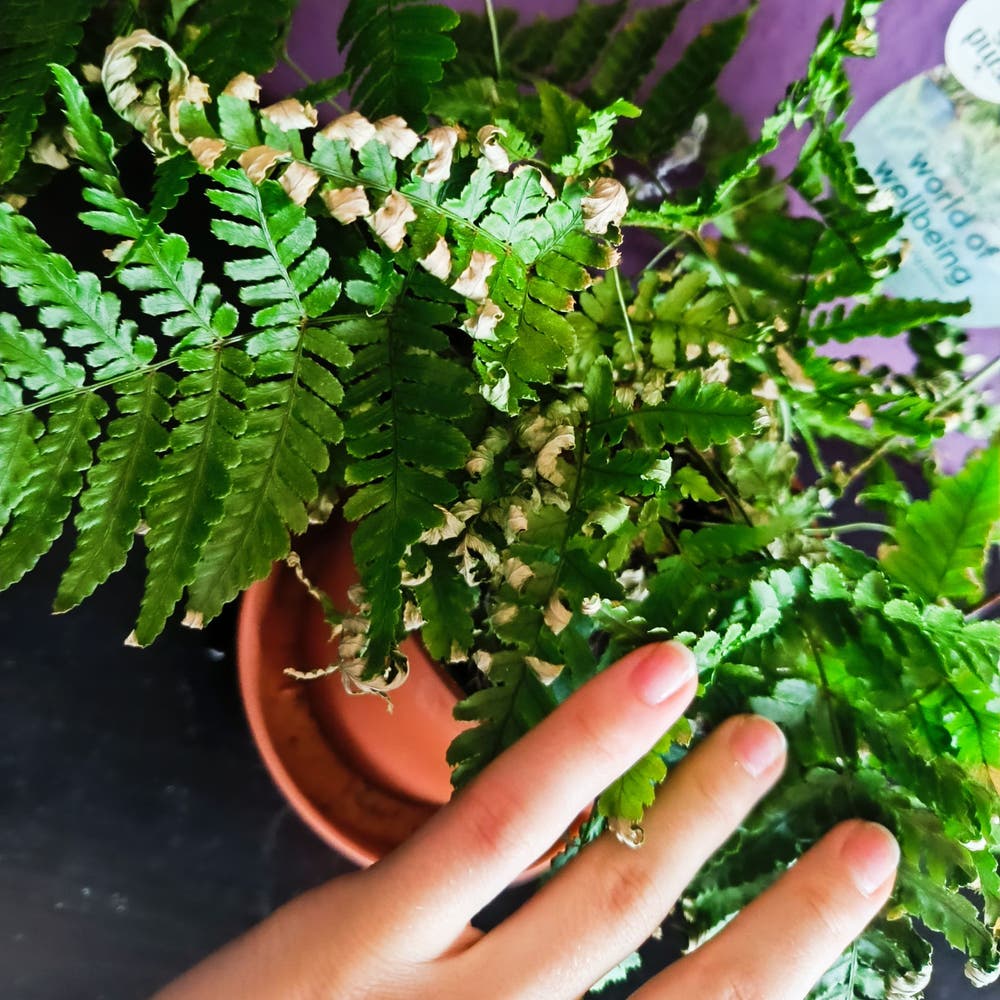
Dealing with Droopy Leaves on Your Leather Fern 💧
Rumohra adiantiformis
By the Greg Editorial Team
Oct 19, 2024•5 min read
This article was created with the help of AI so we can cover more plants for you. May contain errors. See one? Report it here.
- 💧 Overwatering and underwatering cause droopy leaves; check soil moisture regularly.
- 🌡️ Optimal conditions: Leather Ferns thrive in 60°F-75°F and humidity above 50%.
- 🌿 Indirect light is essential; avoid direct sunlight to prevent leaf scorch.
Common Causes of Droopy Leaves
💧 Overwatering
Overwatering is a common culprit behind droopy leaves. Look for yellowing leaves and soggy soil; these symptoms often indicate root rot, which can lead to drooping fronds.
🚰 Underwatering
On the flip side, underwatering can also cause droopiness. If you notice dry, crispy leaf edges, your fern might be wilting due to insufficient moisture.
🌪️ Environmental Stress
Environmental factors play a significant role in your Leather Fern's health. Ideally, keep temperatures between 60°F to 75°F (15°C to 24°C) and maintain humidity levels above 50% for optimal growth.
☀️ Light Exposure
Light exposure is crucial for your fern's vitality. Leather Ferns thrive in indirect light; direct sunlight can scorch their delicate leaves, leading to signs of stress like leaf burn and droop.
Understanding these common causes will help you take the necessary steps to revive your Leather Fern. Next, let’s dive into how to diagnose the specific issues affecting your plant.
Diagnosing the Problem
Signs of Overwatering vs. Underwatering 🌊
Understanding the signs of overwatering and underwatering is crucial for your Leather Fern's health.
Overwatering Indicators
- Soil Consistency: If the soil feels soggy and compacted, it’s a clear sign of overwatering.
- Leaf Symptoms: Look for yellowing leaves that droop; these are classic indicators that your fern is drowning.
Underwatering Indicators
- Soil Consistency: Dry and crumbly soil suggests your fern is thirsty.
- Leaf Symptoms: Watch for wilting and browning edges on the leaves, signaling that your plant needs a drink.
Identifying Pest Infestations 🐛
Pests can wreak havoc on your Leather Fern, so regular inspections are essential.
Common Pests Affecting Leather Fern
- Spider Mites: These tiny pests leave webbing and cause stippled leaves, making them easy to spot.
- Aphids: Look for sticky residue and distorted leaves; these pests can quickly multiply and damage your plant.
Inspection Techniques
- Regular Checks: Make it a habit to check the undersides of leaves and the soil for pests. This proactive approach can save your fern from serious infestations.
By diagnosing these issues early, you can take the necessary steps to revive your Leather Fern and keep it thriving. Next, let’s explore effective solutions for those droopy leaves.
Solutions for Droopy Leaves
🌊 Adjusting Watering Practices
Establishing a proper watering schedule is crucial for your Leather Fern's health. Start by checking the soil moisture 1-2 inches deep; water only when the top inch feels dry.
Using the Greg plant care app can help you stay on track with watering reminders. This simple tool can make a significant difference in maintaining your fern's vitality.
🌫️ Increasing Humidity Levels
Humidity is key for a thriving Leather Fern. To boost humidity, consider using a humidifier set to maintain around 60% humidity.
Another effective method is to use pebble trays. Fill a tray with water and place it under the pot to create a localized humid environment. Grouping your plants can also help increase humidity levels naturally.
🪴 Soil Amendments for Better Drainage
Choosing the right soil mix is essential for optimal drainage. A recommended blend for your Leather Fern includes 50% potting soil, 25% perlite, and 25% peat moss.
Repotting is also important. Aim to repot every 1-2 years or when your fern becomes root-bound. This ensures your plant has ample space to grow and thrive.
By implementing these solutions, you can effectively address droopy leaves and promote a healthier, more vibrant Leather Fern. Next, let’s explore preventative measures to keep your fern flourishing year-round.
Preventative Measures
Ideal Growing Conditions for Leather Fern 🌿
To keep your Leather Fern thriving, focus on its light, temperature, and humidity needs. Aim for indirect light for 6-8 hours daily to prevent leaf scorch.
Maintain a temperature range between 60°F to 75°F (15°C to 24°C). This ensures your fern stays comfortable and healthy.
Humidity is crucial; keep it above 50% for optimal growth. Consider using a humidifier or placing your fern in a naturally humid area.
Seasonal Care Tips to Maintain Leaf Health 🍂
Caring for your Leather Fern varies with the seasons. In spring, fertilize with a balanced liquid fertilizer every 4-6 weeks to support new growth.
During summer, increase your watering frequency due to higher evaporation rates. Your fern will appreciate the extra moisture.
As fall and winter approach, reduce both watering and fertilization. The plant's growth slows down, so adjust your care routine accordingly.
By following these guidelines, you can create a thriving environment for your Leather Fern, ensuring its leaves stay lush and vibrant. Next, let’s explore how to monitor and maintain your fern for long-term health.
Monitoring and Maintenance
🐛 Regular Checks for Pests and Diseases
To keep your Leather Fern thriving, inspect it bi-weekly for any signs of pests or diseases. Look out for yellowing leaves, wilting, or unusual spots, as these can indicate underlying issues.
🧼 Importance of Leaf Cleaning and Care
Cleaning your fern's leaves is essential for its health. Wipe them with a damp cloth monthly to remove dust and promote photosynthesis, ensuring your plant gets the light it needs to flourish.
Maintaining a routine of monitoring and cleaning not only keeps your Leather Fern looking its best but also helps you catch potential problems early. This proactive approach will lead to a healthier, more vibrant plant, ready to thrive in your home.
⚠️ Safety First
This content is for general information and may contain errors, omissions, or outdated details. It is not medical, veterinary advice, or an endorsement of therapeutic claims.
Always consult a qualified healthcare professional before using any plant as food, medicine, or supplement.
Never eat any plant (or feed one to pets) without confirming its identity with at least two trusted sources.
If you suspect poisoning, call Poison Control (800) 222-1222, the Pet Poison Helpline (800) 213-6680, or your local emergency service immediately.
Spotted an error? Please report it here.
Keep your Leather Fern thriving 🌱 by using Greg's tailored reminders for watering and humidity, ensuring those droopy leaves are a thing of the past!