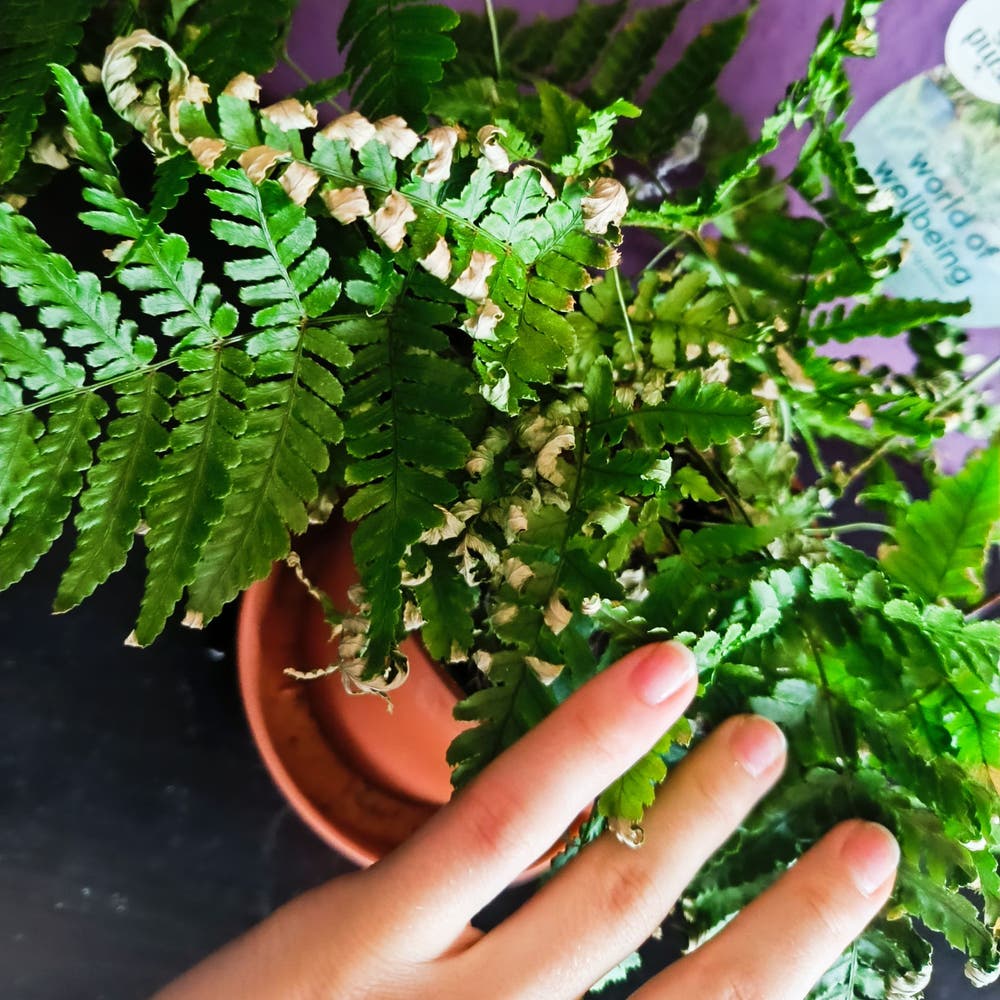
Reasons Why Your Leatherleaf Fern Won't Flower 🌸
Rumohra adiantiformis
By the Greg Editorial Team
Nov 22, 2024•3 min read
This article was created with the help of AI so we can cover more plants for you. May contain errors. See one? Report it here.
- 🌱 Environmental stressors and care issues hinder Leatherleaf fern flowering.
- 💡 Insufficient light and humidity are key factors affecting bloom success.
- 🌿 Nutritional deficiencies can cause yellowing fronds, impacting flowering potential.
Flowering Issues in Leatherleaf Fern
🌸 Common Reasons for Failure to Bloom
Leatherleaf ferns are stunning plants, but they can sometimes struggle to produce flowers. The lack of flowering often stems from environmental stressors and improper care.
Environmental Stressors
Light conditions play a crucial role in the blooming process. Insufficient light can lead to poor growth and hinder flowering.
Humidity levels are equally important. Low humidity can negatively affect spore case production, making it difficult for your fern to bloom.
Nutritional Deficiencies
Balanced nutrients are essential for flowering. Nutritional deficiencies can significantly impact the bloom cycle of your Leatherleaf fern.
Common nutrient deficiencies include a lack of nitrogen, phosphorus, and potassium. These deficiencies can lead to stunted growth and yellowing fronds, signaling that your fern needs a nutrient boost.
🍂 Factors Leading to Premature Flower Drop
Sometimes, ferns drop their buds before they can bloom. This premature flower drop can be caused by various stress factors.
Causes of Fern Bud Drop
Sudden changes in the environment, such as temperature fluctuations, can stress your fern. Additionally, overwatering or underwatering can severely affect root health and flower retention.
Solutions to Prevent Bud Drop
To prevent bud drop, maintain consistent watering practices. Regularly monitor humidity and temperature levels to create a stable environment for your fern.
🌼 Abnormal Flower Development Causes
If your Leatherleaf fern does manage to bloom, you might notice some abnormalities. Identifying these issues early can help you take corrective action.
Identifying Abnormal Flower Development
Signs of abnormality include malformed spore cases and discoloration. These indicators can signal that something is off with your fern's care.
Environmental Factors Affecting Fern Flowers
Light exposure is critical; too much or too little light can lead to poor flower development. Additionally, soil composition plays a role; nutrient imbalances can affect flower quality.
🥦 Nutritional Deficiencies and Their Impact on Blooms
Understanding the key nutrients for healthy Leatherleaf fern growth is vital. Essential nutrients include nitrogen, phosphorus, and potassium.
Signs of Nutritional Deficiencies
Watch for yellowing fronds and stunted growth, which are common signs of nutrient deficiencies. These symptoms indicate that your fern may need a nutrient boost.
Fertilization Strategies to Support Flowering
Implement a recommended fertilization schedule to support flowering. Choose the right types of fertilizers to ensure your fern gets the nutrients it needs.
🌧️ Solutions for Environmental Stressors Affecting Flowering
Identifying environmental stressors is the first step in promoting healthy flowering. Regularly monitor temperature, humidity, and light levels.
Strategies to Mitigate Stress
Creating a stable environment can significantly improve your fern's health. Consider using humidity trays or grow lights to maintain optimal conditions.
Tips for Encouraging Healthy Flower Development
To promote spore case production, follow best practices for care. Regularly monitor environmental conditions and implement a consistent care routine to support flowering.
By addressing these flowering issues, you can help your Leatherleaf fern thrive and enjoy its beautiful blooms. Next, we will explore specific solutions to enhance your fern's growth and flowering potential.
⚠️ Safety First
This content is for general information and may contain errors, omissions, or outdated details. It is not medical, veterinary advice, or an endorsement of therapeutic claims.
Always consult a qualified healthcare professional before using any plant as food, medicine, or supplement.
Never eat any plant (or feed one to pets) without confirming its identity with at least two trusted sources.
If you suspect poisoning, call Poison Control (800) 222-1222, the Pet Poison Helpline (800) 213-6680, or your local emergency service immediately.
Spotted an error? Please report it here.
Unlock your Leatherleaf fern's blooming potential 🌱 by using Greg's tailored care reminders to create the perfect environment for thriving flowers!