Optimal Temperature for Your Leather Fern 🌡️
Rumohra adiantiformis
By the Greg Editorial Team
Jan 07, 2025•3 min read
This article was created with the help of AI so we can cover more plants for you. May contain errors. See one? Report it here.
- 🌡️ Leather ferns thrive between 60°F and 75°F for optimal growth and health.
- ❄️🔥 Avoid temperatures below 50°F or above 80°F to prevent stress and damage.
- 👀 Watch for wilting and yellowing fronds as signs of temperature-related issues.
Optimal Temperature Range
Ideal Temperature for Growth 🌱
To thrive, your leather fern prefers a cozy temperature range of 60°F to 75°F (15°C to 24°C). Keeping it within this range is crucial for healthy frond development and overall plant vigor.
Temperature Sensitivity 🌡️
Leather ferns are sensitive to their environment. They can easily fall victim to cold drafts and extreme heat, making stable, moderate temperatures essential—just like their native habitat.
By understanding these temperature preferences, you can create an ideal environment that promotes lush growth and vibrant fronds. This awareness not only enhances your plant's health but also enriches your gardening experience.
Effects of Temperature Extremes
❄️ Cold Tolerance
Leather ferns are not frost-tolerant. When temperatures dip below 50°F (10°C), these plants can experience significant stress.
Cold exposure can lead to wilting, browning of fronds, and even dieback. It's crucial to keep them in a warm environment to prevent these adverse effects.
🔥 Heat Stress
On the flip side, prolonged exposure to temperatures above 80°F (27°C) can also stress your leather fern. This heat can manifest in yellowing fronds, wilting, and a noticeable reduction in growth.
Recognizing these symptoms early can help you take action before your fern suffers too much. Keeping a close eye on temperature fluctuations is key to maintaining a healthy plant.
Signs of Temperature Stress
🌡️ Visual Indicators
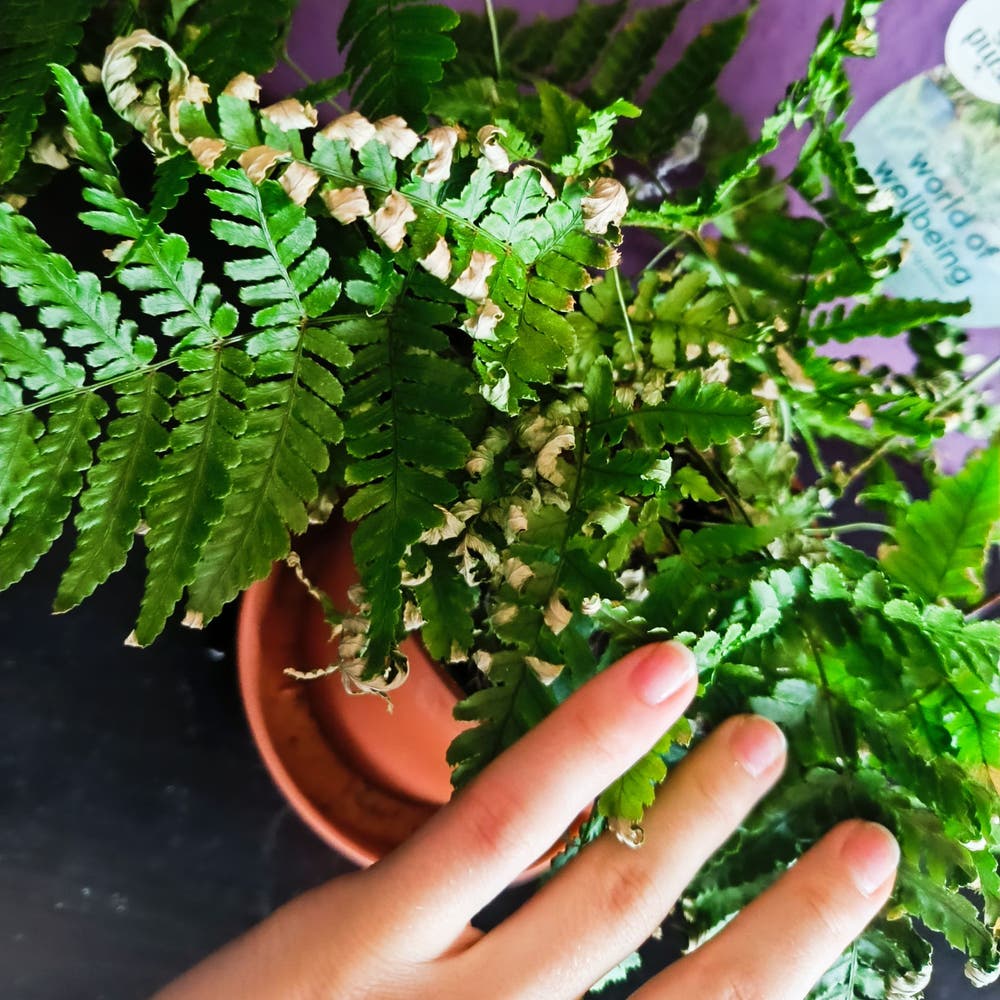
Temperature stress in your leather fern can manifest through several visual cues.
- Wilting: When leaves droop and lose turgidity, it’s a clear sign that your plant is struggling.
- Browning: If you notice the tips of fronds turning brown, this indicates potential damage from unsuitable temperatures.
- Yellowing: Overall discoloration of fronds signals distress and should not be overlooked.
🧠 Behavioral Changes
In addition to visual signs, your fern may exhibit behavioral changes that reflect its temperature struggles.
- Stunted Growth: A reduction in new frond production can indicate that your plant is not thriving.
- Leaf Drop: Premature shedding of leaves often occurs as a response to unsuitable temperatures, signaling that your fern needs immediate attention.
Recognizing these signs early can help you take action to restore your leather fern’s health. By monitoring its environment and making necessary adjustments, you can ensure your plant remains vibrant and flourishing.
Next, let’s explore the causes of temperature stress and how to prevent it.
Causes of Temperature Stress
🌬️ Environmental Factors
Your leather fern is sensitive to its surroundings. Cold drafts from windows or air conditioning can lead to significant stress, causing the plant to struggle.
Direct sunlight can also be a culprit. Excessive heat from bright rays can overwhelm your fern, leading to unfavorable conditions for growth.
🍂 Seasonal Changes
Temperature variations throughout the seasons can greatly impact your fern's health. As the weather shifts, so do the needs of your plant.
Monitoring these temperature changes year-round is crucial. Keeping an eye on the environment will help you prevent stress and ensure your fern thrives.
Seasonal Temperature Needs
🌸 Spring and Summer
During the growing season, your leather fern thrives best in temperatures between 60°F to 75°F (15°C to 24°C). It's crucial to keep an eye on the heat, as rising temperatures can lead to stress for your plant.
🍂 Fall and Winter
As temperatures drop, it's essential to protect your fern from anything below 50°F (10°C). Consider using indoor heating or protective coverings to maintain a cozy environment for your fern during the colder months.
By being mindful of these seasonal temperature needs, you can ensure your leather fern remains healthy and vibrant year-round. Next, let’s explore the signs of temperature stress to watch for in your plant.
⚠️ Safety First
This content is for general information and may contain errors, omissions, or outdated details. It is not medical, veterinary advice, or an endorsement of therapeutic claims.
Always consult a qualified healthcare professional before using any plant as food, medicine, or supplement.
Never eat any plant (or feed one to pets) without confirming its identity with at least two trusted sources.
If you suspect poisoning, call Poison Control (800) 222-1222, the Pet Poison Helpline (800) 213-6680, or your local emergency service immediately.
Spotted an error? Please report it here.
Keep your leather fern happy by maintaining its ideal temperature range of 60°F to 75°F, and let Greg help you create the ultimate cozy habitat 🌱 for thriving growth!