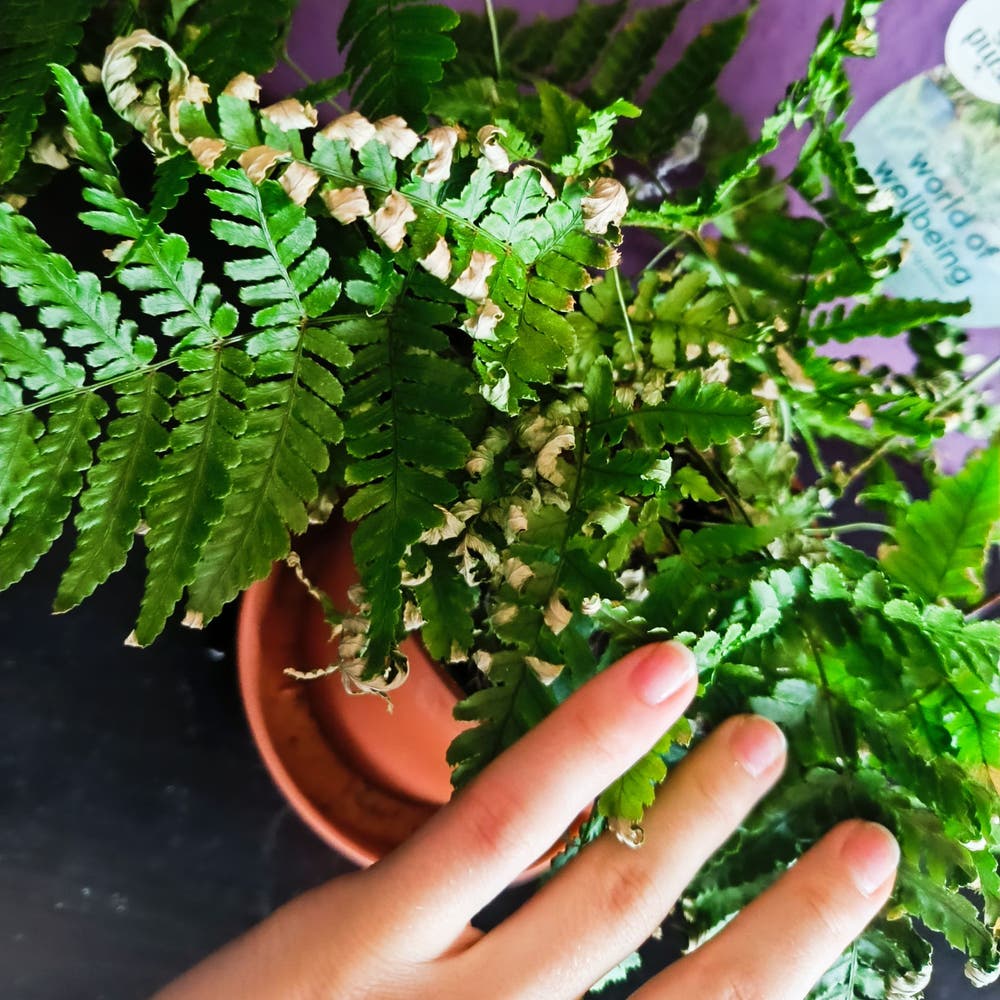
Leatherleaf Fern Roots 101
Rumohra adiantiformis
By the Greg Editorial Team
Nov 22, 2024•7 min read
This article was created with the help of AI so we can cover more plants for you. May contain errors. See one? Report it here.
- 🌱 Leatherleaf ferns have rhizomatous roots, enabling efficient nutrient access and spreading.
- 💧 Proper watering and drainage are essential to prevent root rot and ensure health.
- ✂️ Spring is ideal for dividing ferns, promoting healthy propagation and growth.
Characteristics of the Root System
Type of Root System 🌱
Leatherleaf ferns boast a rhizomatous root system, which means they grow from underground stems called rhizomes. This unique structure is significant because it allows the plant to spread efficiently and establish itself in various environments.
These roots are incredibly adaptable, thriving in a range of soil conditions. Whether in sandy, loamy, or clay soils, Leatherleaf ferns can adjust their growth patterns to optimize nutrient and moisture uptake. This adaptability is key to their resilience and ability to flourish in diverse habitats.
Adaptability to Various Soil Conditions 🌍
The rhizomatous roots of Leatherleaf ferns not only support their growth but also enhance their ability to survive in fluctuating conditions. They can tolerate both well-drained and moisture-retentive soils, making them versatile companions in any garden.
In addition, these roots help the fern access nutrients from deeper soil layers. This capability is particularly beneficial during dry spells, ensuring the plant remains healthy and vibrant even when surface moisture is scarce.
Understanding the characteristics of Leatherleaf fern roots is crucial for anyone looking to cultivate these beautiful plants. Their unique root system not only contributes to their growth but also plays a vital role in their overall health and adaptability.
As we delve deeper into the root system, the next section will explore the typical root depth and spread patterns of Leatherleaf ferns.
Root Depth and Spread
Typical Root Depth 🌱
Leatherleaf ferns boast a shallow root system, typically extending between 6 to 12 inches deep. This depth allows them to thrive in various environments, but it also means they can be sensitive to soil conditions.
Several factors influence the depth of these roots, including soil type, moisture availability, and environmental conditions. For instance, sandy soils may encourage deeper rooting, while compacted or clay soils can restrict growth.
Root Spread Patterns 🌍
In addition to their depth, Leatherleaf fern roots exhibit impressive horizontal spread, often extending up to 2 to 3 feet. This lateral growth is primarily facilitated by rhizomes, which are specialized underground stems that allow the plant to establish itself in new areas.
The ability to spread widely not only helps the fern access nutrients and moisture but also enables it to compete effectively with other plants. This adaptability is crucial for thriving in diverse habitats, making the Leatherleaf fern a resilient choice for gardeners and nature enthusiasts alike.
Understanding the root depth and spread patterns of Leatherleaf ferns is essential for proper care and cultivation. With this knowledge, you can ensure your ferns have the best chance to flourish in your garden or home.
Next, we will explore how the root system impacts watering and fertilizing needs, ensuring your Leatherleaf ferns remain healthy and vibrant.
Watering and Fertilizing
🌱 Impact of Root System on Watering Needs
Leatherleaf Ferns boast a unique rhizomatous root system that excels in water retention. This capability allows them to thrive in various moisture levels, making them adaptable yet requiring careful watering practices.
To keep your Leatherleaf Fern happy, aim for consistently moist soil without waterlogging. Overwatering can lead to root rot, so it's essential to find that sweet spot where the soil is damp but not soggy.
🌿 Fertilization Considerations
When it comes to fertilizing your Leatherleaf Fern, choosing the right type of fertilizer is crucial. Opt for a balanced, water-soluble fertilizer that provides essential nutrients during the growing season.
Timing is everything! Fertilize in spring and summer when the plant is actively growing. This approach supports root health and overall plant vitality, ensuring your fern remains lush and vibrant throughout the year.
With proper watering and fertilization, your Leatherleaf Fern will flourish, setting the stage for healthy roots and robust growth. Next, let's explore common root-related issues that can affect your fern's health.
Common Root-Related Issues
🦠 Identifying Root Rot and Other Diseases
Root rot is a serious concern for Leatherleaf Ferns. Key symptoms include wilting leaves, yellowing fronds, and a foul odor emanating from the soil.
Other diseases can also affect the roots, such as fungal infections and pests that compromise root health. Recognizing these issues early can save your fern from severe damage.
🛠️ Solutions for Common Root Problems
Preventing root problems starts with proper watering techniques. Ensure your fern's soil has good drainage to avoid waterlogging, which can lead to root rot.
If root rot occurs, immediate action is crucial. Repotting the fern, trimming away affected roots, and improving soil conditions can help restore its health.
By staying vigilant and proactive, you can keep your Leatherleaf Fern thriving and vibrant. Understanding these common root issues is essential for maintaining a healthy plant.
Healthy vs. Unhealthy Roots
👀 Visual Cues for Healthy Roots
Healthy roots are a vital sign of a thriving Leatherleaf Fern. Look for roots that are firm, with a white or light tan color, and free from any foul smells.
A well-developed root structure is essential, showcasing visible rhizomes that indicate robust growth. These characteristics suggest that your fern is in good health and ready to flourish.
🚩 Signs of Unhealthy Roots
On the flip side, unhealthy roots present several red flags. Indicators include a dark, mushy texture, unpleasant odors, and stunted growth, all of which signal that your fern may be struggling.
If you notice these signs, it's crucial to take corrective measures. Consider repotting the plant, adjusting your watering practices, and improving soil aeration to help revive its health.
Understanding these visual cues can empower you to maintain a vibrant Leatherleaf Fern, ensuring it thrives in your care.
Rootbound Plants
Definition and Recognition of Rootbound Conditions 🌱
Rootbound plants occur when their roots circle the pot, leading to limited growth space. This condition can stunt growth, cause roots to emerge from drainage holes, and result in poor water absorption.
When and How to Address Rootbound Issues 🛠️
Intervention is necessary when you notice growth stagnation or other signs of distress.
- Repotting: Move the plant into a larger container to provide more space for growth.
- Loosening Roots: Gently separate and loosen the roots to encourage new growth.
- Trimming: If necessary, trim any excessively long or damaged roots to promote healthy development.
Addressing rootbound conditions promptly can rejuvenate your Leatherleaf Fern, ensuring it thrives in its environment. With the right care, your plant can flourish and continue to bring beauty to your space.
Propagation and Division
🌱 Importance of Root Health in Propagation
Healthy roots are crucial for successful propagation and division of Leatherleaf Ferns. Strong roots not only support the plant's growth but also enhance the resilience of new plants, ensuring they thrive in their new environments.
✂️ Techniques for Dividing Leatherleaf Fern
Timing is key when dividing your Leatherleaf Fern. The best months for this task are spring or early summer, as the plant is actively growing and can recover quickly.
Best Practices for Dividing
Before you start, gather your tools. A clean, sharp knife or shears will make the process smoother and minimize damage to the plant.
Step-by-Step Instructions for Dividing
- Prepare tools: Ensure your knife or shears are clean and sharp to prevent infection.
- Remove the plant: Gently take the fern out of its pot, being careful not to disturb the roots too much.
- Separate rhizomes: Gently pull apart the rhizomes, ensuring each division has enough roots and fronds for a healthy start.
- Replant divisions: Place each division in suitable soil and water thoroughly to help them settle in.
By following these steps, you can successfully propagate your Leatherleaf Fern, ensuring that each new plant has a strong foundation for growth. This not only expands your collection but also contributes to the overall health of your garden.
As you explore propagation, remember that healthy roots are the backbone of thriving plants. With the right care and techniques, your Leatherleaf Ferns will flourish and bring beauty to your space.
⚠️ Safety First
This content is for general information and may contain errors, omissions, or outdated details. It is not medical, veterinary advice, or an endorsement of therapeutic claims.
Always consult a qualified healthcare professional before using any plant as food, medicine, or supplement.
Never eat any plant (or feed one to pets) without confirming its identity with at least two trusted sources.
If you suspect poisoning, call Poison Control (800) 222-1222, the Pet Poison Helpline (800) 213-6680, or your local emergency service immediately.
Spotted an error? Please report it here.
Unlock the secret to thriving Leatherleaf ferns 🌿 with Greg's tailored watering reminders and expert care tips that keep their roots healthy and happy!