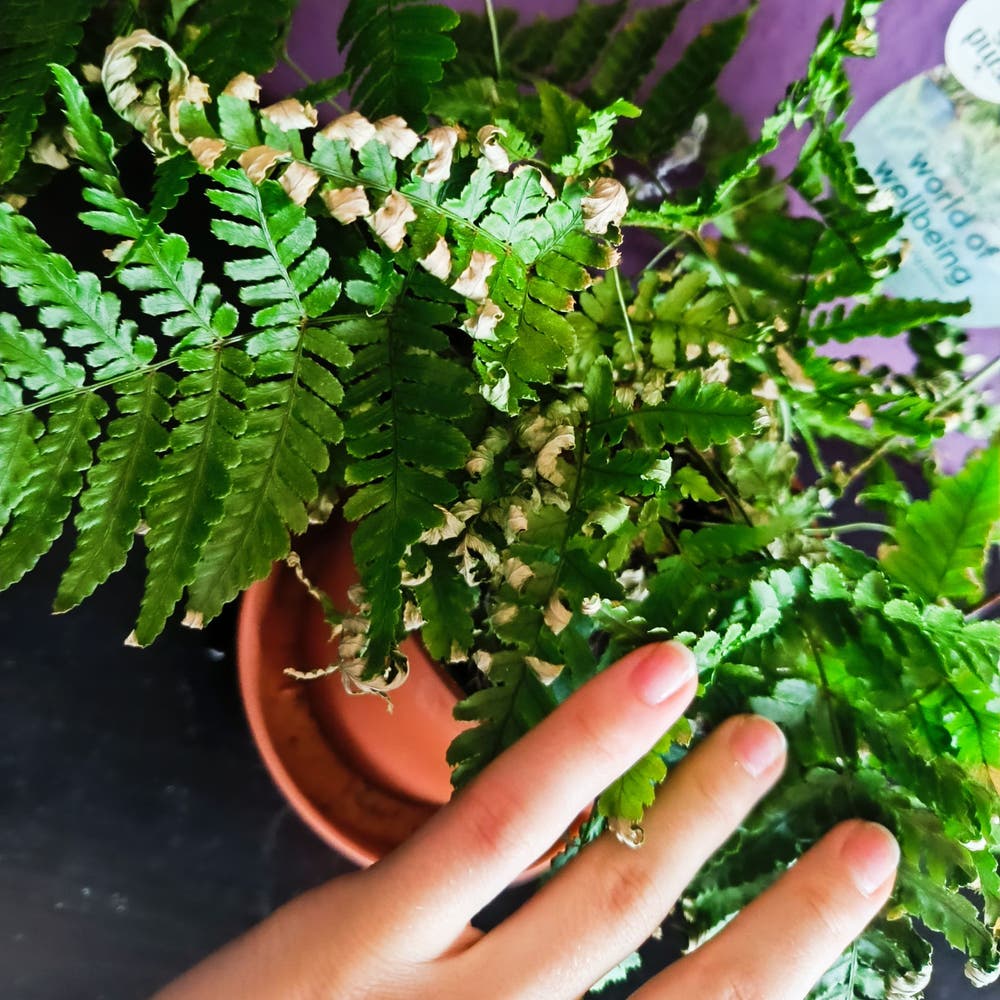
💧 Why Are My Leatherleaf Fern Leaves Mushy?
Rumohra adiantiformis
By the Greg Editorial Team
Jun 15, 2024•5 min read
This article was created with the help of AI so we can cover more plants for you. May contain errors. See one? Report it here.
- Overwatering leads to mushy leaves, root rot, and fungal growth.
- Adjust watering and remove damaged leaves to aid recovery.
- Balance humidity and air circulation to prevent future issues.
Causes of Mushy Leaves in Leatherleaf Fern
Overwatering is a 💦 prime suspect when Leatherleaf Fern leaves turn into a mushy mess. It's a classic case of too much love drowning the roots, leading to a soggy disaster. The leaves wilt, yellow, and lose their firm texture, signaling distress.
💀 Overwatering and Leaf Texture
Root rot is the ugly aftermath of overzealous watering. The roots suffocate and decay in waterlogged soil, and the plant's defense system goes down. This opens the floodgates for mold and mildew, which are more than happy to move in and wreak havoc.
🍄 Fungal Infections
Fungal infections are like uninvited guests at a plant party. They love a damp environment and can lead to leaf spot diseases, which manifest as brown spots or a general look of a plant that's given up on life. Proper drainage is key to keeping these party crashers at bay.

Immediate Steps to Treat Mushy Leaves
💧 Adjusting Watering Practices
Water less, folks. Leatherleaf Ferns dislike soggy feet. If your fern's leaves are mushy, it's time to ease up on the hydration station. Check the soil before watering; it should be dry a couple of inches down. When you do water, think of it as a gentle rain, not a flood.
✂️ Removing Damaged Leaves
Next up, snip snip. Get those sharp scissors out and cut away the mushy leaves. It's like giving your fern a haircut to get rid of split ends. Sterilize your tools with rubbing alcohol between cuts to prevent spreading any funk.
🌱 Soil Check
While you're at it, give the soil a once-over. If it's more like a swamp than a well-draining potting mix, it's time for a change. Opt for a mix that's airy and loose, something that won't hold onto water like a sponge.
👀 Watch for Pests
Keep an eye out for tiny critters. Pests like aphids and spider mites could be turning your fern's leaves into their personal salad bar. If you spot them, show them the exit with some insecticidal soap or neem oil.
Remember, these steps are a band-aid, not a cure. You'll need to monitor your fern and adjust your care routine to keep it healthy in the long run.

Optimizing Environmental Conditions for Prevention
🌿 Balancing Humidity and Air Circulation
Humidity is like a double-edged sword for Leatherleaf Ferns—necessary, yet potentially harmful. Aim for moderate humidity levels that mimic the fern's natural environment. Too much moisture can turn your fern's home into a fungal fiesta.
Use a humidifier or a pebble tray to maintain these levels, but be vigilant. If the air feels like a sauna, you've gone too far.
🌬 Ensuring Proper Airflow
Good air circulation is the unsung hero in preventing mushy leaves. Position fans strategically to keep the air moving, but avoid creating a wind tunnel. Your fern isn't trying to win a leaf-flapping contest.
🌡 Temperature Control
Keep the temperature consistent. Avoid extremes—your fern doesn't appreciate sudden chills or heat waves any more than you do.
🧹 Regular Maintenance
Keep the plant's surroundings tidy. Remove dead leaves and debris to prevent decay and disease. It's like housekeeping for plants.
📊 Monitoring and Adjusting
Be observant. If you notice the leaves are still getting mushy, it's time to reassess your humidity and air flow game. Adjust as needed—this isn't a set-it-and-forget-it kind of deal.
Remember, the goal is to create a stable, fern-friendly environment where humidity and air circulation are in harmony, like a well-conducted orchestra. Your Leatherleaf Fern will thank you with firm, healthy leaves.

Tracking the Recovery of Leatherleaf Fern
After addressing the immediate issues causing mushiness in your Leatherleaf Fern, it's time to monitor its recovery. Here's what to keep an eye on and when to seek additional help.
🌱 What to Look for as the Fern Recovers from Mushiness
- New Growth: Bright, firm fronds are a good sign. They should feel supple, not soggy.
- Root Health: Gently check the root ball. It should be solid, not loose or mushy.
- Leaf Texture: Leaves should regain their natural leathery texture, not remain limp or mushy.
- Overall Plant Vigor: The fern should appear more robust and upright, not listless.
🚨 When to Seek Further Help
- Persistent Problems: If mushiness doesn't resolve or worsens, consider a deeper issue like root rot.
- Unexplained Symptoms: Discoloration or leaf drop after corrective measures might mean an overlooked problem.
- Stagnant Growth: A lack of new fronds or continued wilting calls for expert advice.
- Doubts About Care: If you're unsure about your care routine, consult a professional.
Keep a log of changes to track what works. If the fern still looks like it's auditioning for a swamp scene, it's time to reassess. Sometimes, despite our best efforts, plants need a little more than TLC. Don't hesitate to reach out to a local nursery or plant expert for guidance.
⚠️ Safety First
This content is for general information and may contain errors, omissions, or outdated details. It is not medical, veterinary advice, or an endorsement of therapeutic claims.
Always consult a qualified healthcare professional before using any plant as food, medicine, or supplement.
Never eat any plant (or feed one to pets) without confirming its identity with at least two trusted sources.
If you suspect poisoning, call Poison Control (800) 222-1222, the Pet Poison Helpline (800) 213-6680, or your local emergency service immediately.
Spotted an error? Please report it here.
Prevent mushy leaves and ensure your Leatherleaf Fern thrives with customized care 🌿 from Greg, including watering adjustments and a community for extra troubleshooting support.