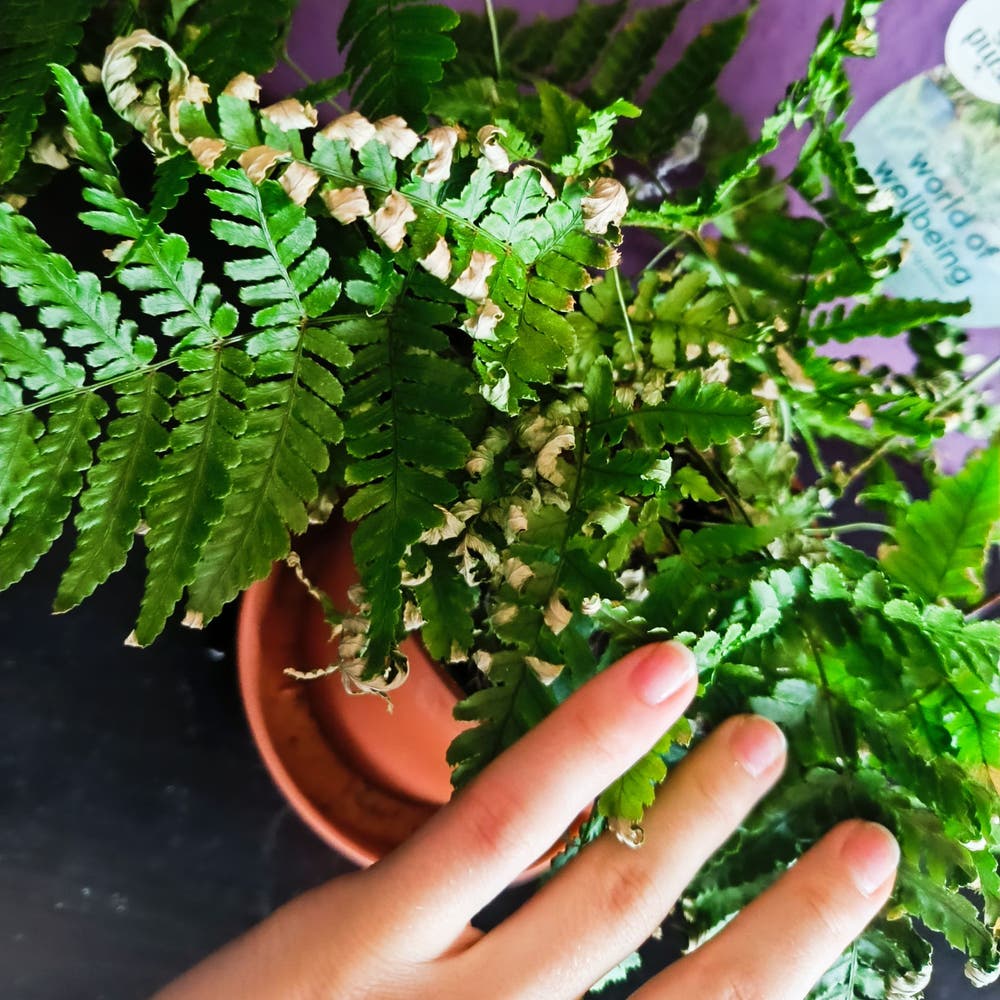
What Are The Bugs on My Leatherleaf Fern? 🐛
Rumohra adiantiformis
By the Greg Editorial Team
Jun 15, 2024•11 min read
This article was created with the help of AI so we can cover more plants for you. May contain errors. See one? Report it here.
- Spider mites and scale - spot signs early, isolate fern, and use insecticidal treatments.
- Fungus gnats to whiteflies - control with traps, natural predators, and regular maintenance.
- Prevent infestations with vigilance, cleanliness, and proper Leatherleaf Fern care.
Identifying and Treating Spider Mites on Leatherleaf Fern
👀 Spotting the Culprits
Spider mites are sneaky pests that can wreak havoc on your Leatherleaf Fern. Look closely at the leaves for telltale signs: fine webbing, especially on the undersides, and tiny moving dots that come in shades of brown, black, or red. Yellow or brown spots on the leaves? That's them sucking the life out of your plant.
🚫 Isolation is Key
When you spot these signs, isolate your fern immediately. Like a bad rumor, spider mites spread fast, and you don't want your other plants gossiping about the infestation.
💦 Water: The First Line of Defense
A strong stream of water can dislodge these critters. Spray down your fern, top and bottom leaves, and repeat 2-3 times a week. Persistence is your new best friend.
✂️ Pruning: Sometimes Necessary
If the infestation is more like a full-blown party, it's time to prune. Snip off heavily affected leaves and bid them farewell. Remember, no composting—unless you want a spider mite festival.
🧼 Insecticidal Soap: The Heavy Artillery
Insecticidal soap is the equivalent of showing up with a boombox to disrupt the mite party. Coat all parts of the plant, and don't skimp on the underside of the leaves. Follow the product's instructions like a treasure map to success.
🌿 Neem Oil: The Secret Weapon
Neem oil can be a game-changer, but handle with care. It's like dyeing your hair; you don't want it on everything you own. Apply cautiously and only as needed.
🧽 Regular Wipe Downs: Maintenance is Key
Keep those leaves clean with regular wipe-downs. It's like dusting your shelves; it keeps things looking good and deters unwanted visitors.
👁️ Stay Vigilant
Remember, constant vigilance is crucial. Spider mites reproduce faster than a viral video, so keep an eye out and act fast. Your Leatherleaf Fern will thank you.

Tackling Scale Infestations on Leatherleaf Fern
🐞 Identifying Scale Insects
Scale insects are sneaky little pests. They masquerade as harmless bumps on your Leatherleaf Fern, but don't be fooled. These domed critters cling to stems and leaves, sucking the life out of your plant. Look for tell-tale domes or ridges along the leaves. If your fern's growth is stunted or leaves are yellowing, it's time to play detective and check for these sap-sucking villains.
🛡️ Recommended Treatments
🚪 Immediate Action
First, isolate your fern. Scale insects are like the gossip of the plant world; they spread fast. Next, grab some masking tape. Yes, you heard that right. Press it onto the infested areas to lift off the scale insects—adults and crawlers alike.
🧹 Cleaning House
For a less manual approach, insecticidal soaps are your go-to. But here's the kicker: you need to target the undersides of leaves where these pests love to hide. Repeat applications are not just a good idea; they're necessary. Do it every 7-10 days for a few weeks to break the scale's life cycle.
🌿 Persistent Pests
If the infestation is more like an invasion, bring out the big guns: horticultural oil. It's like sending in the pest control SWAT team. Coat every inch of your fern, but don't drown it. And remember, if you have pets or kids, keep them away from the treatment area—safety first.
🐞 Natural Predators
Feeling adventurous? Introduce some ladybugs to your indoor jungle. They're not just cute; they're carnivorous when it comes to scale insects.
🚫 Prevention
Finally, prevention is better than cure. Regularly inspect your Leatherleaf Fern like it's under surveillance. Keep it clean, keep it isolated if needed, and always be ready to tape up some pests or spray them down. Stay vigilant, plant warriors.

Managing Fungus Gnats and Fruit Flies Around Leatherleaf Fern
Recognizing these tiny pests is the first step in reclaiming your Leatherleaf Fern's tranquility. Fungus gnats are the uninvited guests hovering near the soil, while fruit flies are the ones auditioning for the role of your newest annoyance, often found near overripe fruit or any fermenting sweet spot in your home.
🐜 Spotting the Invaders
Fungus gnats love to throw a party in moist soil, and spotting them is as easy as finding a small, mosquito-like insect near your fern. Fruit flies, on the other hand, are the slightly rounder relatives that prefer the fruit bowl to the plant pot.
⚔️ The Battle Plan
Cutting Off Resources
Overwatering is like rolling out the red carpet for these pests. Let the soil dry out between waterings to crash their party.
Trap and Attack
Yellow sticky traps are the bouncers at the door, catching adults before they can reproduce. For larvae, a sprinkle of diatomaceous earth on the soil works like microscopic barbed wire, taking them out as they crawl.
Biological Warfare
Introduce Bacillus thuringiensis (BTI) to the soil, a bacterial hitman that targets only the larvae, leaving your fern unharmed.
Clean House
Regularly remove dead leaves and debris. It's like taking out the trash; if you don't, it'll attract more flies.
Inspect New Recruits
Always check new plants for signs of infestation. Bringing in a new plant without vetting it is like inviting a trojan horse into your home.
Natural Predators
Consider introducing beneficial nematodes or the fungus Beauveria bassiana into the soil. They're like having your own garden ninjas that stealthily take out the gnats.
Remember, when dealing with these pests, patience and persistence are your allies. Keep your Leatherleaf Fern's environment clean and dry, and these pests will be history.

Eradicating Mealybugs from Leatherleaf Fern
Mealybugs can turn your Leatherleaf Fern into a sticky mess. Look out for cotton-like clusters on leaves and stems.
🚨 Indicators of a Mealybug Infestation
- White, fluffy masses resembling tiny cotton balls.
- Leaves may yellow, wilt, or drop prematurely.
- A sticky residue, known as honeydew, may be present.
🛡️ Step-by-Step Treatment Guide
Step 1: Quarantine and Inspect
Immediately isolate your fern. Check every nook for these white pests, especially under leaves.
Step 2: Physical Removal
Dab mealybugs with a cotton swab soaked in 70% rubbing alcohol. Show no mercy; these bugs are relentless.
Step 3: Spray Down
Mix 1 part alcohol with 7 parts water and spray the entire plant. Focus on the undersides of leaves where they love to hide.
Step 4: Insecticidal Soap or Horticultural Oil
Apply a gentle insecticidal soap or horticultural oil, thoroughly coating the infested areas.
Step 5: Sticky Traps
Place yellow sticky cards near your fern to catch any stragglers.
Step 6: Repeat
Persistence is key. Treat weekly until you're confident the mealybugs have met their demise.
Step 7: Preventative Measures
After treatment, keep an eye out. Regular inspections and cleanliness are your best defense.
Step 8: Consider Biological Warfare
If you're feeling adventurous, introduce natural predators like ladybugs into the mix.
Remember, if the infestation is Armageddon-level, it might be time to say goodbye to your fern. Sometimes, starting fresh is the best call.
Controlling Aphids on Leatherleaf Fern
Aphids, those pesky, plant-sucking critters, can be a real headache for Leatherleaf Fern enthusiasts. Identifying these buggers is step one; they're tiny, but you'll spot them as clusters of moving dots, often on the undersides of leaves.
🕵️ Spotting the Sap-Suckers
Aphids love to throw a party on new growth or in sheltered spots, so check there first. Distortion or yellowing of leaves? Sticky honeydew? You've got aphid guests.
🦾 Kick 'Em to the Curb
Get Physical
A strong blast of water can dislodge those clingers. It's like a surprise pool party they never wanted.
Soap 'Em Up
Insecticidal soap is your friend here. Mix, spray, and repeat. Consistency is key—like that gym membership you never use.
Oil Them Out
Horticultural oils work wonders. They're like the bouncers at the club, showing aphids the exit.
Go Biological
Release ladybugs or lacewings. They're the natural predators that'll munch your aphid problem away. It's a bug-eat-bug world.
Trim the Fat
Severely infested? Sometimes a trim is in order. Cut the losses and dispose properly.
Neem Oil: The Secret Weapon
Mix neem oil with water, spray it on, and watch aphids peace out. Avoid direct sunlight post-spray to prevent leaf burn.
Prevention: The Best Medicine
Inspect your ferns twice a week. Keep 'em clean and quarantined if new plants are introduced. Prevention is less hassle than eviction.
Combating Thrips on Leatherleaf Fern
🕵️ Detecting Thrips on Leatherleaf Fern
Thrips are sneaky critters. They're tiny, but the havoc they wreak is anything but. Look for stippling on leaves, a telltale sign of their feasting. You might also spot their black fecal specks. If your fern's leaves have taken on a papery texture, it's time to play detective.
🛡️ Treatment Strategies for Thrips Affecting Leatherleaf Fern
Isolation is key. If you spot thrips, quarantine your fern faster than a suspicious rash at summer camp. Next, grab an insecticidal soap or horticultural oil. These are your gentle, yet effective, first line of defense. Coat every nook and cranny, especially the undersides of leaves where these pests love to hide.
For those stubborn cases, consider systemic insecticides. They're like a flu shot for your fern, working from the inside out. But remember, with great power comes great responsibility—use according to the label's instructions to avoid planticide.
Pro tip: Thrips have a disdain for moisture. Regular misting can discourage them from setting up shop. And if all else fails, unleash the predatory insects like ladybugs or lacewings. It's like a nature documentary battle royale right on your windowsill.
Remember, thrips are tougher than they look. Stay vigilant and be prepared to treat multiple times. Your Leatherleaf Fern will thank you—with lush, green fronds free of thrip tyranny.
Dealing with Whiteflies on Leatherleaf Fern
Whiteflies can turn your Leatherleaf Fern from a lush green haven into a sticky mess. Look out for tiny white insects fluttering around your plant or clusters of them on the underside of leaves. These sap-suckers can cause yellowing leaves, stunted growth, and a sooty mold from their honeydew excretions.
🚨 Signs of Whitefly Infestation
- Fluttering white insects when the plant is disturbed.
- Yellowing or drooping leaves.
- Sticky honeydew and sooty mold presence.
💦 Immediate Control Methods
Blast them with water from a hose or spray bottle to knock them off your fern. It's simple but effective. For a more hands-on approach, wipe them out with a cotton swab dipped in a soapy water solution. Be thorough; these pests love to hide.
🐜 Insecticidal Treatments
- Insecticidal soap can be a fern's best friend. Apply it to all leaf surfaces, especially the undersides.
- Neem oil is another go-to. It's natural and works against the whitefly lifecycle.
- Chemical insecticides like Pyriproxyfen or Cypermethrin can be used, but with caution and as a last resort.
🛡️ Preventative Measures
- Inspect new plants before introducing them to your fern's space.
- Use yellow sticky traps to monitor and reduce adult whitefly populations.
- Prune and dispose of heavily infested leaves to prevent spread.
💡 Pro Tips
- Always test any treatment on a small area first to avoid damaging your fern.
- Repeat treatments every few days to catch new generations of whiteflies.
- Keep a close eye on your plant, even after you think the whiteflies are gone.
Remember, the best offense is a good defense. Regular maintenance and vigilance are your leatherleaf fern's armor against whitefly invasions.
Preventative Measures for Pest-Free Leatherleaf Fern
Regular Vigilance is the cornerstone of keeping your Leatherleaf Fern pest-free. Like a hawk, you need to keep an eye out for the early signs of infestation. Inspect your fern's fronds, especially the undersides, during your regular watering routine. Look for the telltale signs: tiny webs, specks, or bumps.
🛡️ Routine Maintenance
Cleanliness is your fern's best friend. Remove any fallen leaves or debris that could harbor pests. Ensure good air circulation around the plant; stagnant, humid air is an open invitation for bugs.
🌿 Natural and Chemical Interventions
When it comes to treatments, think of insecticidal soaps and horticultural oils as your first line of defense. They're like the bouncers at the club, keeping the riff-raff at bay without starting a brawl. Apply thoroughly, as pests are crafty and will hide in nooks you didn't even know existed.
🚨 Quarantine New Additions
New plants can be Trojan horses, bringing pests into your plant sanctuary. Isolate newbies for a few weeks, just to be sure they're not packing any unwanted guests.
💧 Humidity and Watering
Balance your fern's humidity needs with pest prevention. Overly moist environments can be as welcoming for pests as a buffet is for a food critic. Water wisely, letting the soil dry out a bit between waterings.
👩🌾 Proactive Plant Care
Lastly, a healthy plant is less likely to succumb to pests. Nurture your Leatherleaf Fern with the right light, water, and fertilizer. It's like keeping your immune system strong; a healthy plant can fight off pests just like a healthy body can fight off a cold.
⚠️ Safety First
This content is for general information and may contain errors, omissions, or outdated details. It is not medical, veterinary advice, or an endorsement of therapeutic claims.
Always consult a qualified healthcare professional before using any plant as food, medicine, or supplement.
Never eat any plant (or feed one to pets) without confirming its identity with at least two trusted sources.
If you suspect poisoning, call Poison Control (800) 222-1222, the Pet Poison Helpline (800) 213-6680, or your local emergency service immediately.
Spotted an error? Please report it here.
Prevent pesky invaders on your Leatherleaf Fern with Greg's proactive care alerts 🌿, ensuring you stay one step ahead in maintaining a healthy, bug-free plant paradise!