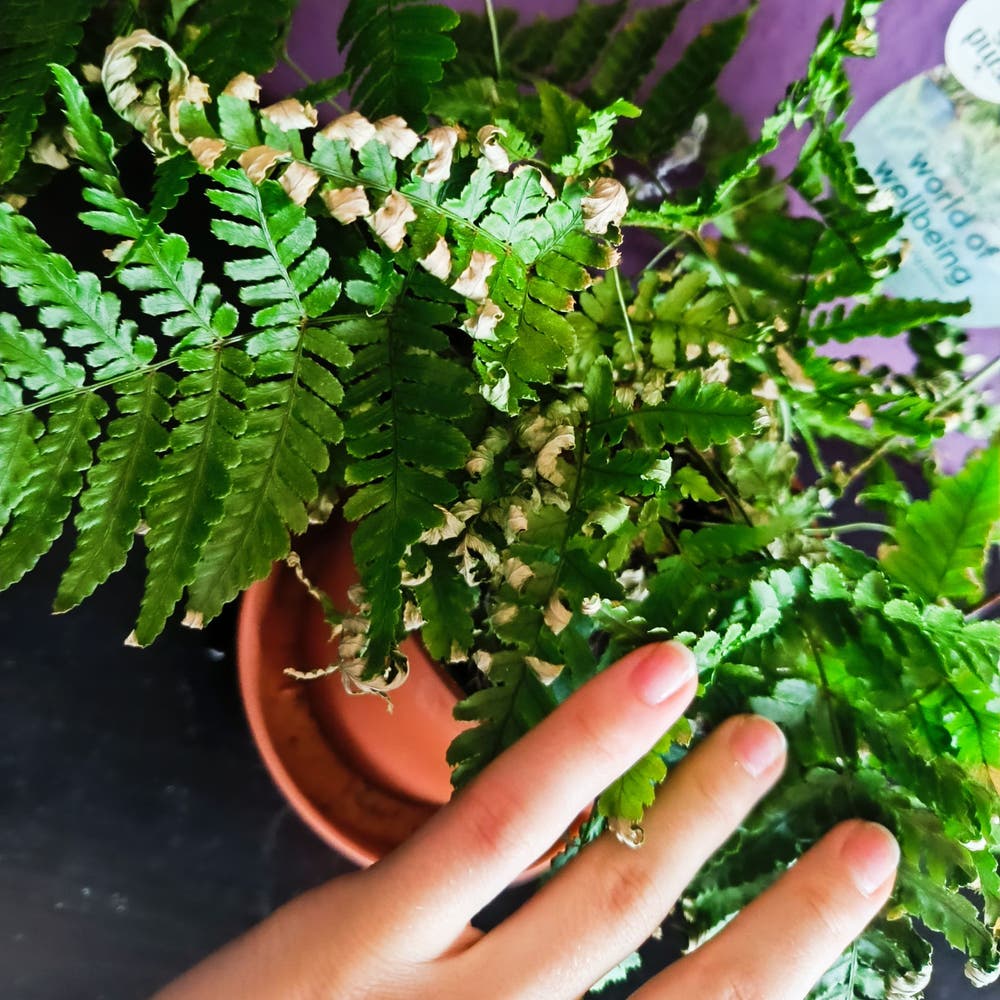
What Do I Do About Leatherleaf Fern Root Rot?
Rumohra adiantiformis
By the Greg Editorial Team
Jun 15, 2024•7 min read
This article was created with the help of AI so we can cover more plants for you. May contain errors. See one? Report it here.
- Yellow leaves and mushy roots signal Leatherleaf Fern root rot.
- Repot with well-draining soil and adjust watering to prevent recurrence.
- Use fungicides or natural antifungals to treat and protect your fern.
Identifying Root Rot in Leatherleaf Ferns
Identifying root rot in Leatherleaf Ferns is akin to playing detective with your plant's health. Here's how to spot the telltale signs of this silent killer.
🔍 Signs and Symptoms
Yellowing leaves may be your first clue, but don't jump to conclusions—other factors can cause similar symptoms. Wilting is another red flag, especially when your watering routine hasn't changed. If your fern's growth has hit a wall, it's time to suspect something's amiss below the soil.
🕵️♂️ Inspecting the Roots
To confirm your suspicions, you'll need to get your hands dirty. Gently remove the fern from its pot and take a look at the roots. Healthy roots are firm and light-colored. If you're greeted by mushy, brown or black roots, you've got root rot on your hands. A foul odor? That's the smoking gun. Remember, time is of the essence—root rot waits for no one.

Immediate Steps to Address Root Rot
When you spot the dreaded signs of root rot in your leatherleaf fern, it's time for some quick, decisive action. Here's the no-nonsense guide to getting your plant back on track.
🌱 Remove from Pot and Clean Roots
First things first, gently coax your fern out of its pot. You're on a rescue mission, so be tender but firm. Wash the roots under a lukewarm tap to banish all the old soil, which is likely a hotbed for pathogens. This is no time for half-measures; get those roots squeaky clean.
🪒 Prune the Affected Roots
Now, channel your inner surgeon and sterilize your pruning tools—we're talking alcohol or bleach solution. Snip away any roots that are mushy, black, or suspiciously funky. Remember, healthy roots are firm and white. If it doesn't look like it belongs on a thriving plant, off it goes. Don't be shy; this is a cut-throat situation, quite literally.
🌿 Repot with Fresh Soil
Grab a pot with excellent drainage and fill it with the good stuff—fresh, well-draining soil. Your fern's roots need a breathable space to call home, not some waterlogged graveyard. Make sure the new pot is cozy but not cramped; think studio apartment, not a shoebox.
🧼 Sterilize Everything
Once you're done, clean your tools again. And the pot? Scrub it like you're scrubbing away your plant-parent guilt. We're aiming for a clean slate here, folks. No bacteria, no fungus, no problem.
Remember, root rot is a silent killer, lurking in the shadows of overwatering and poor drainage. But with these steps, you're not just a plant owner—you're a plant savior.

Repotting and Soil Considerations
After tackling root rot, repotting your Leatherleaf Fern is like hitting the reset button on its life. Soil mix is the unsung hero here; get it right, and you've won half the battle. Aim for a blend that's the botanical equivalent of a breathable raincoat—moisture-retentive yet well-draining. Think coco coir, perlite, and a dash of peat moss for that airy touch.
🌱 Choosing the Right Soil Mix
Don't just grab any old dirt. Well-draining soil is your fern's best friend, preventing water from throwing a pool party around the roots. If you're not up for mixing your own, snag a bag of indoor potting mix designed for aeration and drainage.
🏺 Pot Selection and Drainage: The Dynamic Duo
Now, let's talk pots. Size matters, folks. Too big, and you'll have soggy soil central; too small, and your fern's roots will throw a claustrophobia fit. Aim for a pot that's the Goldilocks of containers—just right. Ensure it's got drainage holes to avoid water buildup. If you're feeling fancy, a layer of gravel at the bottom can add an extra drainage boost.
Remember, your Leatherleaf Fern doesn't need a mansion. A cozy space that's a smidge larger than its current digs will do. This isn't just about avoiding root rot—it's about giving your plant the VIP treatment it deserves.

Water Management After Treatment
After tackling root rot, water management becomes your Leatherleaf Fern's lifeline. It's crucial to strike a balance; too much love can drown it, too little can desiccate it.
💧 Adjusting Watering Practices
Ease up on the H2O. Let the soil's top inch dry out before you even think about watering again. Your fern's roots need air as much as they need water—don't make them choose.
🌡️ Using Moisture Meters
Invest in a soil moisture meter. It's like a plant's personal hydration coach, telling you when it's time to water without the guesswork. Remember, overwatering is like offering a buffet to someone who's just not hungry.
👀 Monitoring Plant Recovery
Keep an eye on your fern. New growth is a high-five from your plant, saying you're on the right track. If it perks up, you're doing it right; if not, reassess your watering strategy.
🚱 Water Quality Considerations
Tap water can be a frenemy. If it's chlorinated or softened, let it sit out before using. You don't want to build up salts in the soil—that's just another headache waiting to happen.
Remember, your Leatherleaf Fern isn't a cactus, nor is it a water lily. Find that sweet spot with your watering can, and you'll have a happy, healthy fern on your hands.
Fungal Treatment Options
🍄 When to Use Fungicides
Fungicides can be a plant saver when root rot rears its ugly head. They're best used preventatively in soils with a bad rap for drainage woes or a history of root rot. But, if you're already in the thick of it, a fungicide can help stop the rot from spreading. Go for a systemic type that gets right into the plant's system, like Propiconazole or Subdue, especially if the rot's taken a serious hold.
🌿 How to Apply Fungicides
Mix 'em up according to the label's gospel and drench the soil after you've played surgeon with the roots. Remember, it's like antibiotics for plants – don't overdo it. Overuse can kill off the good guys in the soil and lead to superbugs. And who needs that?
🌱 Natural Antifungal Alternatives
For the organic aficionados, nature's got your back. Cinnamon, chamomile, and activated charcoal are the Avengers of antifungals. They're mild but mighty. Sprinkle cinnamon or steep chamomile into a tea and let it cool before applying. As for charcoal, it's great for absorbing excess moisture and keeping those nasty fungi at bay.
🌾 Application Tips for Natural Remedies
Spot test first – you don't want to swap one problem for another. And be patient; these remedies are more tortoise than hare. They take their sweet time but get there in the end. Keep an eye out for improvement and reapply as needed, but don't expect overnight miracles.
🚫 Real Talk on Effectiveness
Let's be real, sometimes natural remedies just don't cut it. They're worth a shot, but if the rot's running rampant, it might be time to bring out the big guns and go synthetic. Always follow the label instructions to the letter – they're there for a reason. And hey, if you're unsure, hit up a local expert. No shame in asking for help.
Environmental Adjustments to Prevent Recurrence
💨 Optimizing Humidity and Air Circulation
Humidity is like a double-edged sword for Leatherleaf Ferns—it's essential, yet too much can usher in a fungal free-for-all. To strike the right balance, consider using a humidifier or a pebble tray to maintain moisture levels without creating a plant sauna. But here's the kicker: you've got to keep the air moving. A stagnant, humid environment is a fungus's playground. So, crack a window or get a fan to gently circulate the air, ensuring your fern isn't stewing in potential peril.
🚧 Isolation Tactics
When root rot rears its ugly head, think quarantine. Isolate the affected fern faster than you'd unfollow a spoiler-happy friend during your favorite show's season finale. This isn't just about tough love; it's about protecting your green family from a domino effect of decay. Keep the patient separate until you're confident it's on the mend, showing new growth that screams recovery.
👀 Continuous Vigilance
Finally, don't let your guard down. Keep an eye out for the telltale signs of a relapse, like leaves that droop more than your energy on a Monday morning. Adjust your care routine as needed because, let's face it, plants are less forgiving than your bestie—they can't tell you what's wrong, but they sure can show it.
⚠️ Safety First
This content is for general information and may contain errors, omissions, or outdated details. It is not medical, veterinary advice, or an endorsement of therapeutic claims.
Always consult a qualified healthcare professional before using any plant as food, medicine, or supplement.
Never eat any plant (or feed one to pets) without confirming its identity with at least two trusted sources.
If you suspect poisoning, call Poison Control (800) 222-1222, the Pet Poison Helpline (800) 213-6680, or your local emergency service immediately.
Spotted an error? Please report it here.
Beat Leatherleaf Fern root rot by spotting early signs and repotting with care; Greg 🌿 will back you up with custom watering schedules and soil moisture alerts to prevent future woes.