How to Know When to Repot a Leatherleaf Fern?
Rumohra adiantiformis
By the Greg Editorial Team
Jun 15, 2024•8 min read
This article was created with the help of AI so we can cover more plants for you. May contain errors. See one? Report it here.
- Root crowding and water drainage issues signal repotting time.
- Choose a slightly larger pot with proper drainage and potting mix.
- Repot in growth cycle and avoid common post-repotting mistakes.
Recognizing the Need for Repotting
Identifying root crowding and water drainage issues are telltale signs that your Leatherleaf Fern is begging for a new abode.
🌱 Root Crowding: The Tight Squeeze
When roots start making a break for it out of the pot's drainage holes, it's not an escape attempt—it's a cry for help. Roots peeking out mean they're cramped and need more room to breathe. If you spot roots circling the soil surface or pushing the plant upward, it's time to give them the space they deserve.
💧 Water Drainage: The Quick Exit
If water zips through the pot faster than a kid down a waterslide, leaving the soil dry, you've got drainage drama. Water running straight through indicates the soil is either too compacted or the roots are so snug they're repelling water. Either way, your fern's not getting the hydration it needs.
⚖️ Weight Check: The Heft Test
Lift the pot. If it feels like you're hoisting a brick, the soil's probably waterlogged. Heavy soil is a sign of excess moisture, which can spell trouble for the roots. On the flip side, if the pot's as light as your last paycheck, the soil is too dry, and your fern's thirst isn't being quenched.
👀 Visual Clues: The Eyeball Test
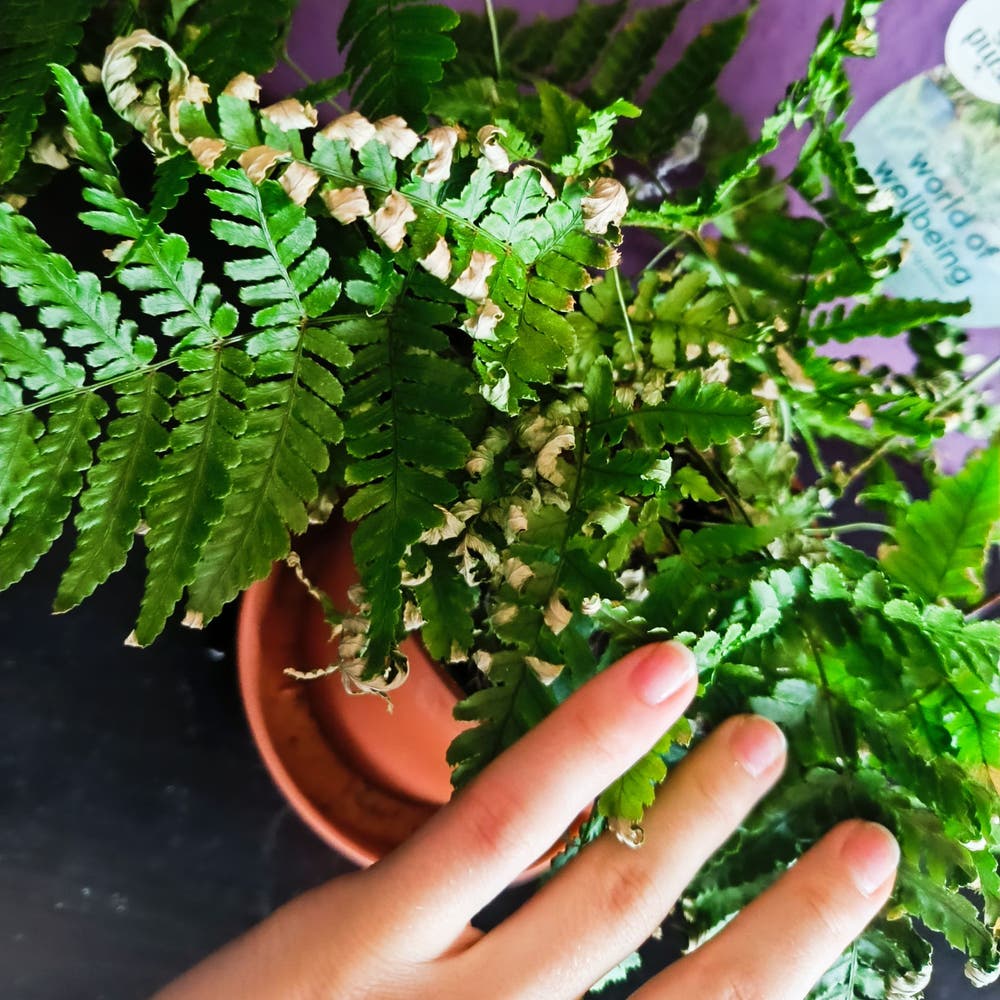
Take a gander at your fern. If it looks like it's wearing the pot like a tight hat, it's time for an upgrade. Stunted growth or a slowdown in new fronds can also signal that it's repotting o'clock.
Remember, your Leatherleaf Fern isn't trying to be high maintenance—it just wants a comfortable home where it can spread its roots and flourish. Listen to what it's telling you, and you'll both be happier for it.

Preparing for Repotting
Selecting the right pot and potting mix is crucial for the health of your Leatherleaf Fern.
🌱 Pot Selection
When it comes to pots, size matters. Choose one that’s about 1”-2” larger than the current pot to prevent waterlogging. Ensure it has drainage holes to avoid soggy soil conditions, which can be detrimental to your fern. Terracotta, plastic, or ceramic? Terracotta is breathable, plastic is lightweight, and ceramic offers heft and stability. Your pick should balance the plant's needs with your aesthetic preferences.
🌿 Potting Mix
Your Leatherleaf Fern craves a well-draining mix. A blend of loam, coarse sand, peat, and leaf mold will mimic the fern's natural habitat. Avoid garden soil alone; it's too dense. Aim for a mix that's airy yet retains moisture, without becoming waterlogged.
Remember, the Leatherleaf Fern isn't a fussy eater. It won't need extra fertilizer if you repot it before it gets too cramped. Keep it simple and your fern will thank you with lush, leathery fronds.

The Repotting Process
Repotting your Leatherleaf Fern isn't rocket science, but it does require a bit of finesse. Here's how to give your plant a new home without causing a root riot.
🌿 Step 1: Water and Remove
Water your fern to make the soil more pliable. Then, coax the plant out of its current pot. If it's stubborn, a gentle tap or a run-in with a knife around the edge should do the trick.
🌱 Step 2: Root TLC
Examine the roots. Snip off any that are dead or look like they've seen better days. If the roots are doing the twist around the pot, untangle them or give them a trim.
🏺 Step 3: Pot Prep
Grab your new pot—make sure it's clean as a whistle. Line the bottom with a layer of drainage material, then add a sprinkle of potting mix.
🌼 Step 4: Plant Placement
Set your fern in the center and check the height. The top of the root ball should sit a few inches below the rim. This prevents a soil escape act when you water.
🌱 Step 5: Fill 'er Up
Surround the plant with more potting mix. Firm it down to eliminate air pockets but don't compact it like you're packing for a trip to Mars.
💧 Step 6: Water and Observe
Give it a good watering until the excess drains out. If the soil settles and exposes roots, add more mix until everything's snug as a bug.
Remember, repotting is like a spa day for your fern—refreshing, but a bit unsettling. Give it some time to adjust to its new digs.

Choosing the Right Pot Material
Selecting the right pot for your Leatherleaf Fern is more than a style choice—it's about the plant's health. Let's break down the materials.
🏺 Terracotta Pots
Terracotta is the OG of pot materials for a reason. It's porous, letting roots breathe and excess water escape. That's a big win for preventing root rot. But remember, terracotta will dry out faster, so you might need to water your fern more often. It's also heavier and can break if you're a bit clumsy.
🥤 Plastic Pots
Plastic is the lightweight champion. It's cheap, cheerful, and won't shatter if you drop it. Plus, it retains moisture longer, which can be a blessing or a curse, depending on how thirsty your fern is. Just make sure there are drainage holes, or you'll have a soggy mess on your hands.
🍶 Ceramic Pots
Ceramic pots are the stylish cousins of terracotta. They often come glazed, adding a layer of non-porosity to the mix. This means less frequent watering, but be vigilant—overwatering is a sneaky killer. They're also heavy and can be as fragile as your grandmother's china, so handle with care.
The Verdict
No material is perfect; they all have their quirks. Terracotta is breathable, plastic is forgiving, and ceramic is pretty but picky. Choose based on your fern's needs and your own watering habits. And whatever you do, don't forget those drainage holes. They're the real MVPs in keeping your Leatherleaf Fern alive and kicking.
Timing and Techniques for Successful Repotting
🌱 When to Repot
Spring and summer are prime time for repotting your Leatherleaf Fern. These seasons align with the plant's natural growth cycle, making it more resilient to the changes. If you notice roots peeking out of the drainage holes or the soil drying out too fast, it's a green light to repot.
🌿 Best Practices to Minimize Root Shock
Gentle is the game when freeing the fern's roots from their current confines. Think of it as a plant massage, encouraging the roots to explore their new space. Watering is crucial post-repotting, but for Leatherleaf Ferns, do it right away—no waiting period necessary.
🔄 Frequency of Repotting
Leatherleaf Ferns don't need frequent moves; every 2-3 years should suffice. However, keep an eye on the soil condition. If it's looking more like a dust bowl than fertile ground, it's time for a change.
🌿 Techniques for a Smooth Transition
Avoid repotting when your fern is under the weather. Stress is a no-go for these green beauties. If your plant is healthy, proceed with confidence but remember: over-potting is overkill. Increase pot size incrementally to avoid drowning the roots in too much soil.
💧 Aftercare
Post-repotting, treat your fern like royalty. A consistent watering schedule is key—think of it as a hydration routine that keeps the soil moist but not soggy. And don't forget, a slow-release fertilizer can be a real pick-me-up for your freshly potted friend.
Post-Repotting Care and Mistakes to Avoid
After the meticulous process of repotting your Leatherleaf Fern, it's crucial to nail the aftercare to avoid sending your green buddy into shock. Here's the lowdown on keeping your fern happy and the blunders you'll want to sidestep.
💧 Immediate Aftercare
Water judiciously. Post-repotting, your fern needs hydration, but don't drown it. Aim for moist, not soggy, to encourage new root growth without risking rot.
📅 First Few Weeks
Monitor your fern like it's the newest binge-worthy series. Look for signs of distress, such as wilting or yellowing leaves, and adjust care accordingly. If it's throwing a fit, reassess your watering and lighting setup.
Common Pitfalls
🌱 Overcrowding
Resist the urge to create a dense jungle in one pot. Space is key for roots to spread and thrive.
🌿 Ignoring Roots
Check those roots! Healthy ones are the color of a perfect latte. If they're looking more like a swamp monster, you've got issues. Trim the drama away before it spreads.
🌍 Soil Faux Pas
Don't just shovel in any old dirt. Research and match your soil to your fern's preferences like you're curating a playlist for a picky friend.
🍯 Pot Size
Upgrading pots? Go for one that's just a size up. Think of it as buying a new pair of shoes for a growing kid—snug but with room to grow.
💡 Light
Your fern isn't a sun worshipper. Find a spot that's just right—not too dark, not blindingly bright. Balance is everything.
Long-Term Care
🕰 Routine Checks
Keep an eye on your plant. Regularly inspecting it is like a health check-up—catch issues early.
✂️ Pruning
Snip away dead or dying fronds. It's like a haircut for your fern—refreshing and necessary.
🌱 Stability
Your fern might be a little wobbly in its new digs. Stake it if needed, but don't go overboard. It's a plant, not a tent.
Remember, plants are resilient but not invincible. Treat your Leatherleaf Fern right, and it'll be less drama than a reality TV star on a good day. Happy gardening!
⚠️ Safety First
This content is for general information and may contain errors, omissions, or outdated details. It is not medical, veterinary advice, or an endorsement of therapeutic claims.
Always consult a qualified healthcare professional before using any plant as food, medicine, or supplement.
Never eat any plant (or feed one to pets) without confirming its identity with at least two trusted sources.
If you suspect poisoning, call Poison Control (800) 222-1222, the Pet Poison Helpline (800) 213-6680, or your local emergency service immediately.
Spotted an error? Please report it here.
Repot your Leatherleaf Fern at just the right time by spotting the telltale signs with Greg's 🌿 custom reminders and tailored potting mix recommendations for lush growth.