🐛 Ultimate Guide to What's Eating Your Leather Fern
Rumohra adiantiformis
By the Greg Editorial Team
Oct 19, 2024•6 min read
This article was created with the help of AI so we can cover more plants for you. May contain errors. See one? Report it here.
- 🌿 Leather ferns attract herbivores like deer, rabbits, and squirrels, threatening their health.
- 🚫 Effective deterrents include fencing, netting, and reflective objects to protect ferns.
- 🦌 Signs of herbivore damage include hoof prints and clean cuts on young shoots.
Description and Appeal
Appearance 🌿
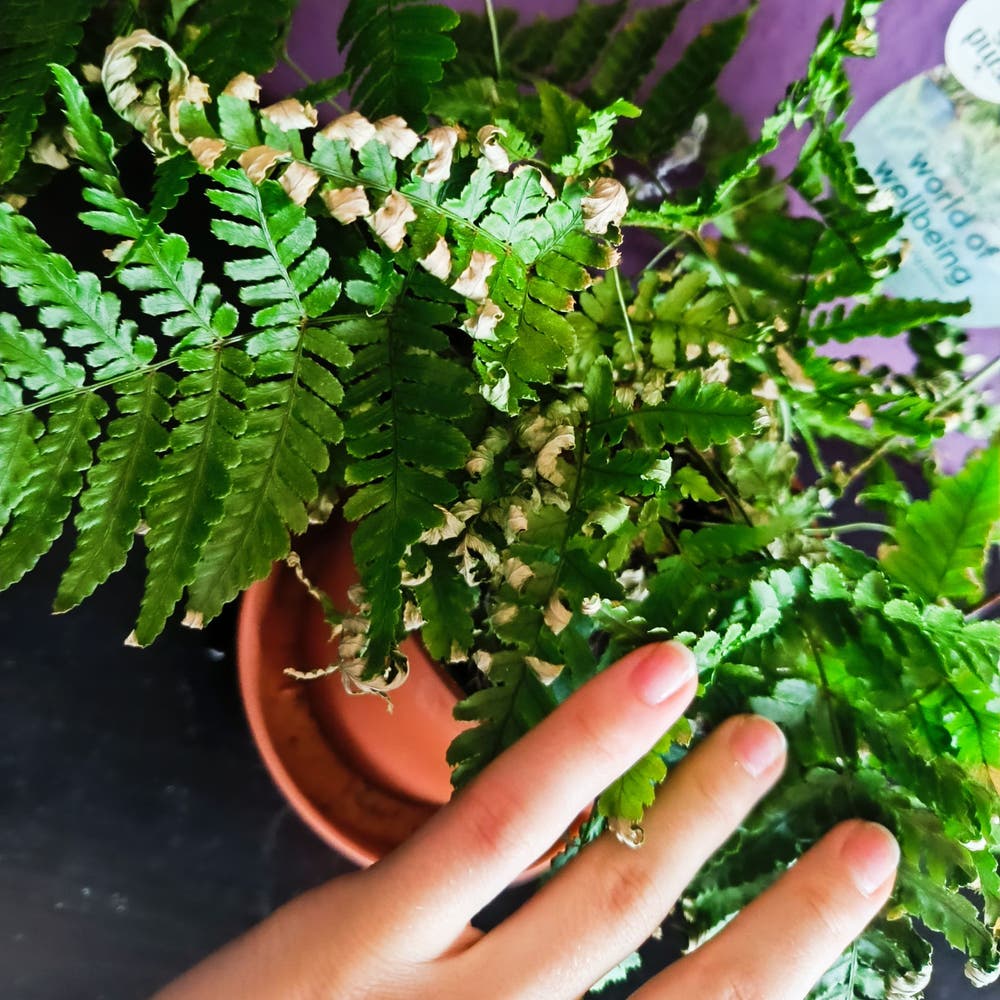
Leather ferns are known for their leathery fronds and distinctive leaf structure. Typically, they grow in clumps, reaching heights of 1 to 3 feet, making them a striking addition to any garden.
Their dark green foliage provides a lush backdrop, enhancing the visual appeal of your outdoor space. This vibrant color not only adds beauty but also creates a sense of tranquility.
Most Appealing Parts 🥬
The young shoots of leather ferns are particularly tender and nutritious, often becoming the first target for herbivores. These shoots are not just appealing to animals; they also signify the plant's vitality.
Mature fronds attract various animals due to their texture and moisture content. This interaction can be a double-edged sword, as it highlights the fern's allure while also making it vulnerable to herbivorous threats.
In summary, leather ferns offer both aesthetic charm and ecological significance, making them a fascinating subject for any gardener. As we explore the common herbivores that threaten these beautiful plants, you'll discover effective strategies to protect your ferns while appreciating their unique qualities.
Common Herbivores
🦌 Deer
Signs of Presence
Look for distinctive hoof prints in muddy areas, which indicate deer activity. You may also find dark, pellet-like droppings near your Leather Fern.
Type of Damage
Deer love to browse on fronds, stripping leaves and leading to stunted growth. This can severely impact the overall health of your fern.
Interaction
Deer are generally harmful to Leather Fern populations. If left unmanaged, they can decimate your ferns.
Deterrent Methods (difficulty: moderate)
To keep deer at bay, consider installing 8-foot tall fencing around your ferns. Alternatively, use commercial deer repellents or homemade solutions like garlic spray.
🐇 Rabbits
Signs of Presence
Rabbits leave behind clean cuts on young shoots, which is a telltale sign of their munching habits. You might also notice small, round droppings scattered around.
Type of Damage
These little critters gnaw on young shoots, which can severely limit growth and vigor. Their appetite can quickly turn your lush ferns into sad, stunted plants.
Interaction
Rabbits are generally harmful and can lead to significant plant damage. Their presence can be particularly frustrating for fern enthusiasts.
Deterrent Methods (difficulty: easy)
To deter rabbits, cover your plants with netting. You can also use organic repellents that feature scents rabbits dislike, such as predator urine.
🐿️ Squirrels
Signs of Presence
Squirrels leave evidence of their presence by chewing on fronds. Look for nests in nearby trees as another indicator of their activity.
Type of Damage
Their gnawing can lead to frond loss and reduced plant health. Squirrels may seem cute, but they can wreak havoc on your Leather Fern.
Interaction
Squirrels are generally harmful and can disrupt the growth of your fern. Their playful antics can quickly turn into a serious problem.
Deterrent Methods (difficulty: moderate)
Use scare tactics like reflective objects or noise-making devices to keep squirrels away. Live traps can also be effective for relocating them.
🐦 Birds
Signs of Presence
Look for feathers near your fern or visible nests in nearby trees or shrubs. These signs indicate that birds are frequent visitors.
Type of Damage
Birds often peck at young shoots, hindering growth and development. Their feeding habits can lead to reduced plant vigor.
Interaction
Birds are generally harmful to your ferns. Their presence can significantly impact the health of your plants.
Deterrent Methods (difficulty: easy)
To deter birds, use predator decoys to scare them away. Hanging shiny objects can also be effective in keeping them from feeding.
🐭 Rodents
Signs of Presence
Rodents create small burrows or pathways near the fern, which are good indicators of their activity. You may also find small, dark pellets scattered around.
Type of Damage
Rodents can gnaw on roots, leading to plant decline, and their frond gnawing reduces overall plant health. They can be a significant threat to your Leather Fern.
Interaction
Rodents are generally harmful and can cause significant plant damage. Their presence can be a source of frustration for gardeners.
Deterrent Methods (difficulty: moderate)
Set traps to control rodent populations. Habitat modification, such as reducing cover, can also make areas less appealing to them.
🦡 Groundhogs
Signs of Presence
Look for large burrows dug in the ground near your fern. Chewed plants are another sign that groundhogs are nearby.
Type of Damage
Groundhogs love to browse on fronds, which can lead to severe defoliation. Their appetite can quickly devastate your fern.
Interaction
Groundhogs are generally harmful and can significantly impact fern health. Their presence can be particularly challenging to manage.
Deterrent Methods (difficulty: moderate)
Installing fencing can help prevent groundhogs from accessing your ferns. Additionally, using strong scents can deter them from your garden.
By understanding the common herbivores that threaten your Leather Fern, you can take proactive steps to protect your plants. Next, let’s explore the beneficial animals that can enhance your fern's environment.
Beneficial Animals
🐝 Description
Leather ferns aren't just a feast for herbivores; they also attract a variety of beneficial animals. Pollinators, like bees and butterflies, flock to the fern for its nectar, while predatory species help keep pest populations in check.
🌱 Positive Impacts
The presence of pollinators enhances the reproduction of nearby plants, creating a vibrant ecosystem. Additionally, these predatory animals play a crucial role in pest control, reducing the number of harmful insects that could otherwise damage your ferns.
By fostering a healthy balance of beneficial animals, you can create a thriving environment for your leather ferns. This not only supports their growth but also contributes to the overall health of your garden.
As we explore protection strategies next, consider how these beneficial interactions can inform your approach to keeping your leather fern safe from harm.
Protection Strategies
🛡️ Preventive Measures
To safeguard your Leather Fern from herbivores, consider installing fencing. An 8-foot barrier can effectively deter larger animals like deer.
Companion planting is another smart strategy. Surround your ferns with plants that naturally repel herbivores, creating a protective buffer.
⚠️ Reactive Solutions
If you notice damage, promptly remove affected fronds. This not only tidies up your garden but also encourages new growth.
Habitat management is crucial too. Adjusting the environment—like clearing debris or reducing cover—can make your garden less appealing to pests.
🍂 Seasonal Variations
Be aware of seasonal changes in herbivore activity. In spring, many animals are on the hunt for fresh growth, making your ferns vulnerable.
As fall approaches, animals prepare for winter and may forage more aggressively. Staying vigilant during these times can help protect your plants.
By implementing these strategies, you can create a thriving environment for your Leather Fern while minimizing damage from unwanted visitors.
Toxicity and Safety
Toxic Effects 🐾
Leather ferns possess mild toxicity that can affect some herbivores. While this may deter certain animals, it can also attract others that are less sensitive to the plant's compounds.
Implications for Herbivore Interactions 🦙
The mild toxicity of leather ferns creates a complex relationship with herbivores. Some animals may avoid the plant altogether, while others might find it an appealing snack, leading to varied impacts on fern populations.
Understanding these dynamics is crucial for gardeners and plant enthusiasts. By recognizing which animals are deterred or attracted, you can better protect your leather ferns from potential damage.
As we explore further, let’s look at effective protection strategies to keep your ferns thriving amidst these challenges.
⚠️ Safety First
This content is for general information and may contain errors, omissions, or outdated details. It is not medical, veterinary advice, or an endorsement of therapeutic claims.
Always consult a qualified healthcare professional before using any plant as food, medicine, or supplement.
Never eat any plant (or feed one to pets) without confirming its identity with at least two trusted sources.
If you suspect poisoning, call Poison Control (800) 222-1222, the Pet Poison Helpline (800) 213-6680, or your local emergency service immediately.
Spotted an error? Please report it here.
Protect your leather ferns from hungry herbivores with Greg's tailored care tips 🌱 that help you implement effective deterrents and keep your plants thriving!