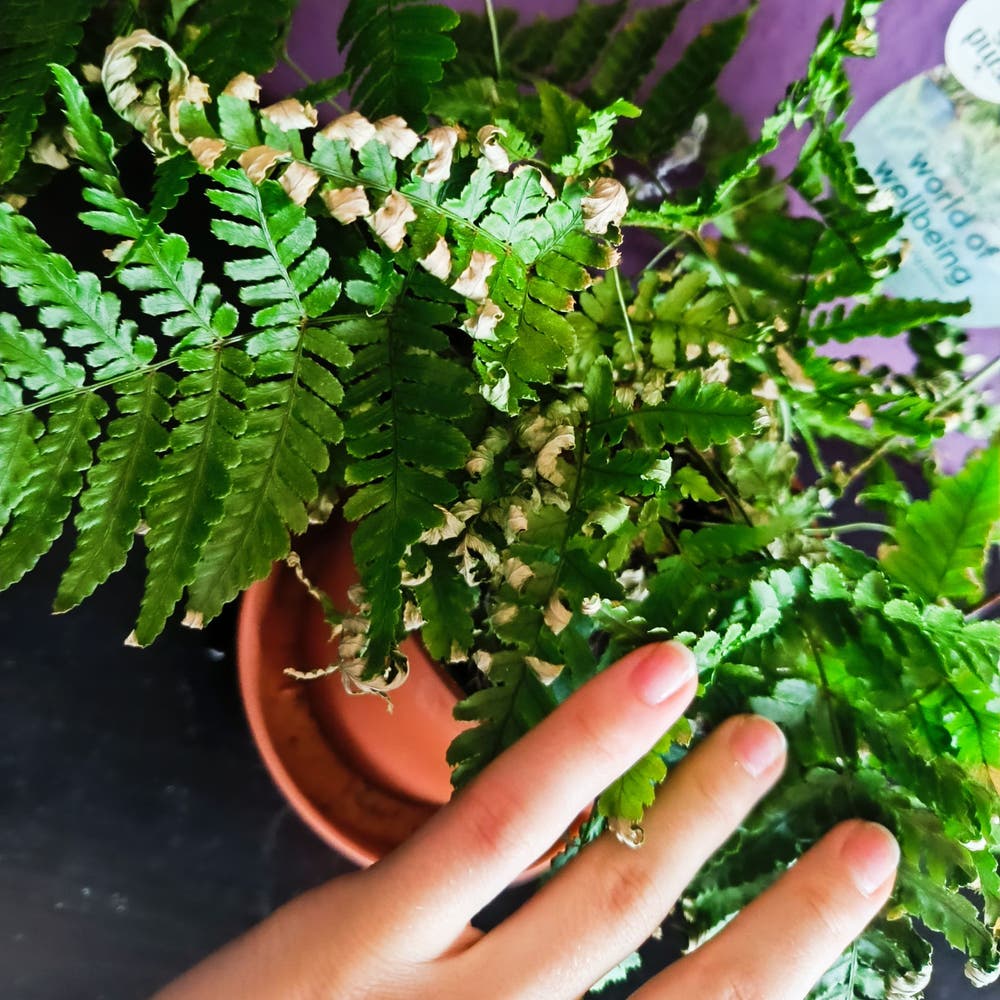
Why Are My Leatherleaf Fern Leaves Curling?
Rumohra adiantiformis
By the Greg Editorial Team
Jun 15, 2024•5 min read
This article was created with the help of AI so we can cover more plants for you. May contain errors. See one? Report it here.
- Environmental stressors and watering issues lead to Leatherleaf Fern leaf curling.
- Nutrient balance and soil health are critical to prevent curling.
- Regular monitoring and early intervention keep ferns healthy and curl-free.
Identifying the Causes of Leaf Curling
🌞 Environmental Stressors: Light, Temperature, and Humidity
Light can be a fickle friend to Leatherleaf Ferns. Too much and they recoil, too little and they languish. Temperature swings are like bad breakups—messy and stressful. Ferns prefer a steady relationship with their climate. Humidity? It's the lifeblood for these plants. Without it, expect some curling tantrums.
💧 Watering Issues: The Balancing Act
Watering is less about sticking to a schedule and more about reading the room—or pot. Overwatering makes roots sulk in a swamp, while underwatering leaves them gasping for a drink. Find that sweet spot where the soil feels like a well-wrung sponge, and you'll have happier fronds.
🚨 The Telltale Signs
Curling upwards? Your fern's probably thirstier than a tourist in the desert. Curling downwards? Might be drowning in love, or you've got a pest party. Either way, it's a cry for help.
🌡️ The Moisture Tightrope
It's a delicate dance, keeping soil moisture just right. A moisture meter could be your tango partner here, helping you avoid both the overzealous watering waltz and the underdoing-it two-step.
Quick Tips for Spotting Trouble
- Heavy pot: It's not lifting weights; it's waterlogged.
- Light pot: It's not on a diet; it's parched.
- Curl direction: Like arrows, they point to the problem—up for dry, down for damp.
Remember, consistency is king. Keep those conditions as stable as a seasoned yogi's tree pose, and you'll avoid most causes of leaf curling.

Addressing Nutrient Deficiencies and Soil Quality
💡 Recognizing Signs of Nutrient Deficiencies
Yellowing leaves, stunted growth, and blemishes on fruits are the plant's SOS signals. Nitrogen, potassium, and magnesium are the big three when it comes to leaf health. A nitrogen-starved plant sports yellow leaves, while potassium deficiency can cause leaf edges to look as if they've been through a tiny fire.
🍽️ Amending Soil and Fertilizing
Soil quality is like a plant's diet. Too dense, and you're basically feeding it junk food; too sandy, and it's on a crash diet. Balance is the name of the game. Use a balanced fertilizer, but don't go wild with it. Over-fertilization leads to nutrient burn, a plant's version of a food coma.
🏷️ Soil Testing: Don't Guess, Test!
Before you start playing mad scientist with soil amendments, get a soil test. It's like a health check-up for your plant's home. Organic options like compost or aged manure can boost soil health, but again, moderation is key.
🧂 Epsom Salt: A Pinch, Not a Pound
Magnesium deficiency? Epsom salt can help, but think of it as a dietary supplement, not a main course. A little mixed with water can work wonders, but too much and you're in trouble.
🌱 The NPK Ratio
A fertilizer with an even NPK ratio (10-10-10) is like a well-rounded meal for your plant. Keep the pH neutral to make sure your plant can actually take in these nutrients, instead of them being locked away in a chemical vault.
💊 Micronutrients Matter Too
Micronutrients are like the vitamins of the plant world. Signs of deficiency include leaf yellowing and spots. Don't overlook these tiny but mighty elements; they're essential for your plant's well-being.
Final Thought: Listen to Your Plant
Your plant is talking to you through its leaves. Pay attention to the signs, and respond with a careful balance of nutrients. It's not just about slapping on fertilizer; it's about creating a nurturing environment that addresses both macro and micronutrient needs.

Combating Pests and Diseases
🐛 Identifying Common Pests and Diseases
Spider mites, mealybugs, aphids, and whiteflies are the usual suspects when it comes to pests causing your Leatherleaf Fern's leaves to curl. Diseases like bacterial leaf spot or fungal infections can also be culprits. Look for telltale signs such as webbing, sticky residue, or discolored spots on leaves.
💉 Treatment Options
For pests, a one-two punch of insecticidal soap or neem oil can be effective. Apply these treatments carefully, ensuring to cover all plant surfaces. For diseases, remove affected areas and consider a copper fungicide for fungal issues. Always follow product instructions to avoid further stress on the plant.
🛡️ Preventive Care
Prevention beats cure every time. Keep your Leatherleaf Fern clean and conduct regular inspections for early detection. Ensure good air circulation around the plant to discourage pests and disease. If you're dealing with persistent issues, it might be time to rethink your plant's location or the health of its soil.

Treatment and Prevention Strategies
💧 Adjusting Care Routines
Creating the ideal environment for Leatherleaf Fern involves a delicate balance of humidity, light, and temperature. To prevent leaf curling, maintain high humidity levels, perhaps through the use of a humidifier or a pebble tray with water. Ensure that your fern is not exposed to direct sunlight, which can scorch its leaves, and keep the temperature consistently moderate.
🌱 Consistent Watering and Fertilization
Watering should be regular, but not excessive. Allow the soil to dry slightly between waterings to avoid root rot. During the growing season, fertilize every 2-3 weeks with a balanced 10-10-10 or 20-20-20 fertilizer. This will provide the necessary nutrients without the risk of over-fertilization, which can harm your fern.
👀 Monitoring and Early Intervention
Stay vigilant. Regularly inspect your Leatherleaf Fern for signs of distress, such as color changes or texture variations in the leaves. Early detection of issues allows for prompt intervention, which can often prevent more serious problems. If you spot pests or disease, remove affected foliage immediately and treat the plant with appropriate remedies, ensuring good air circulation to prevent future outbreaks.
Remember, your Leatherleaf Fern doesn't need a helicopter gardener hovering over it—just a bit of consistent, attentive care. Keep the environment stable, and you'll have a lush, healthy fern that's a testament to your green thumb prowess.
⚠️ Safety First
This content is for general information and may contain errors, omissions, or outdated details. It is not medical, veterinary advice, or an endorsement of therapeutic claims.
Always consult a qualified healthcare professional before using any plant as food, medicine, or supplement.
Never eat any plant (or feed one to pets) without confirming its identity with at least two trusted sources.
If you suspect poisoning, call Poison Control (800) 222-1222, the Pet Poison Helpline (800) 213-6680, or your local emergency service immediately.
Spotted an error? Please report it here.
Ensure your Leatherleaf Fern stays perfectly hydrated and happy 🌿 with Greg's personalized care plans, keeping those leaves uncurled and thriving.