Why Are There Black Spots on My Leatherleaf Fern Leaves?
Rumohra adiantiformis
By the Greg Editorial Team
Jun 15, 2024•7 min read
This article was created with the help of AI so we can cover more plants for you. May contain errors. See one? Report it here.
- Black spots indicate distress, often due to overwatering or poor drainage.
- Fungal and bacterial infections thrive in damp, stagnant conditions.
- Prevent with better air circulation and careful watering practices.
Recognizing Black Spots on Your Fern
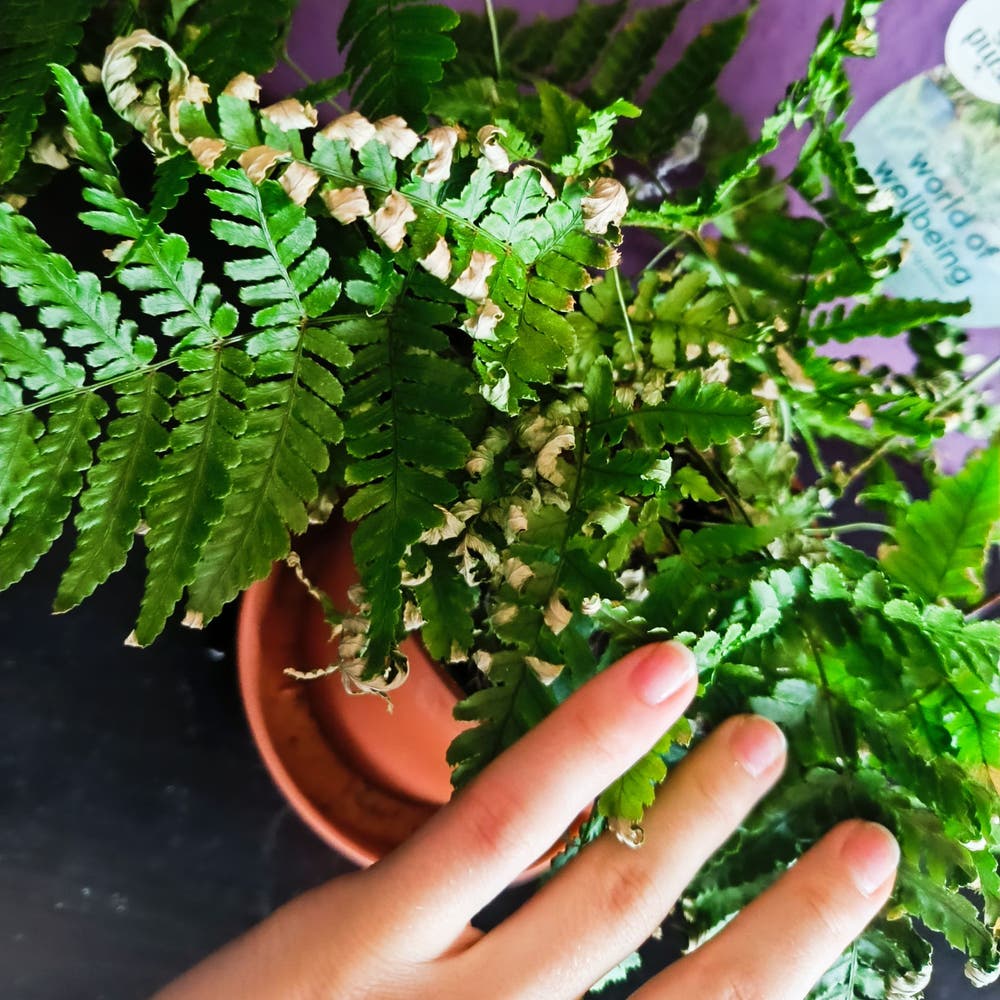
In the world of Leatherleaf Ferns, black spots are more than just blemishes—they're a cry for help. These spots can range from pinpoint size to covering large areas of the frond, often starting as reddish to grayish brown. They may appear water-soaked and can merge, signaling a deeper issue than just an aesthetic flaw.
🚨 Initial Symptoms
Initially, you might notice small, isolated spots that seem innocuous. But as the condition worsens, these spots can expand and coalesce, leading to significant coverage and potentially impacting the fern's overall health.
📈 Progression and Severity
The progression of these spots is not to be taken lightly. In the summer heat or even during warm winters, the situation can escalate. If you see your fern's fronds turning into a spotty mess, it's time to take action. The spots may also be accompanied by a chlorotic (yellowing) appearance, which is a telltale sign of distress.
🧐 Differentiating Factors
Don't mistake the natural reproductive spores on the undersides of fern leaves for the black spots of concern. These spores are orderly and part of the fern's life cycle. The troublesome spots, on the other hand, are randomly scattered and often signify disease.
⚠️ When to Worry
If the leaf feels mushy or emits a foul odor, it's bad news—likely a sign of rot. A healthy fern should have leaves that are supple and uniformly green. Any deviation from this, especially when accompanied by black spots, should raise a red flag.
By understanding these characteristics and keeping an eye on the progression, you can catch and address the issue of black spots on your Leatherleaf Fern before it becomes a full-blown crisis.

Direct Causes of Black Spots
Diving into the heart of the matter, overwatering and poor drainage are like the bad habits that invite trouble – in this case, fungal growth. Your Leatherleaf Fern doesn't need a pool party at its roots; excess moisture is a fungal fiesta waiting to happen.
🍄 Fungal Foes
Fungi, such as Cercospora, see your fern's damp conditions as a prime real estate for colonization. The result? Black spots that mar the beauty of your plant's leaves. It's not just about how much you water, but also about how well the water can escape.
🦠 Bacterial Bullies
On the flip side, high humidity and stagnant air are the wingmen for bacterial infections. Bacteria like Pseudomonas leaf spot love to crash the serene environment of your fern's habitat, turning it into a landscape dotted with black spots.
🌿 Environmental Stressors
Don't overlook the silent stressors – environmental conditions such as excessive sunlight or temperature extremes can also trigger black spots as distress signals from your fern. It's a cry for help, signaling that your green buddy is not happy with its current digs.
🌧️ The Overwatering Overlap
Whether it's the root rot from overzealous watering or the suffocating embrace of compacted, waterlogged soil, overwatering is the common thread weaving through the tapestry of black spot causes. It's the mistake that keeps on giving, leading to a domino effect of plant health issues.
💨 Airflow is Key
Improving air circulation can be a game-changer. Stagnant air is to bacteria what a stagnant career is to a rockstar – it's the beginning of the end. Keep the air moving, and you might just keep those bacterial baddies at bay.
Remember, your Leatherleaf Fern is not throwing a black-tie event; those black spots are unwanted guests. It's time to revoke their invitation with better watering practices and a breath of fresh air.

Effective Treatments for Black Spots
💧 Adjusting Watering Habits
Overwatering is a no-go. Let the soil's top layer dry out before you even think about giving your fern another drink. This isn't just about being stingy with water; it's about fungal discouragement. A dry topsoil is like a desert for fungi—they can't thrive without moisture.
🌬 Improving Air Circulation
Stagnant air is the enemy. It's like a stagnant party—no one enjoys it, especially your fern. To combat this, increase air flow around your plant. A fan on low can work wonders, or simply place your fern in a location where the air doesn't feel like it's taking a nap.
🏡 Homemade Remedies
For the DIY crowd, a baking soda mixture (one tablespoon per gallon of water) is your wallet-friendly weapon against fungi. Add a splash of horticultural oil or soap to make it stick. It's like giving your fern a pH makeover that fungi can't stand.
🌿 Fungicides and Neem Oil
When nature's mix isn't cutting it, it's time to bring out the big guns: fungicides. Organic options exist for the eco-conscious. Neem oil, pressed from the seeds of its tree, is a natural alternative that fungi find repulsive.
✂️ Pruning Affected Leaves
Get snippy with those black spots. Use sterilized shears to cut away the affected leaves. Think of it as removing the bad apples so the rest can thrive. And please, dispose of these leaves like a bad memory—far away and out of sight.
🌱 Soil and Pot Dynamics
Ensure your pot has drainage holes. It's like giving your plant an escape route for excess water. Pair this with a well-draining soil mix, and you've got the foundation for a fungus-free existence.
🌡 Environmental Control
Lastly, keep your fern's environment in check. Not too humid, not too dry. It's about balance, like finding the perfect temperature when you're showering. Too hot or too cold, and it's just not right. Keep it comfortable for your fern, and those black spots will be less likely to crash the party.

Proactive Strategies to Prevent Black Spots
💧 Watering Wisdom
Watering your Leatherleaf Fern is like a delicate dance—too much and you're stepping on toes, too little and you're not even on the dance floor. Best practices? Let the topsoil dry out before giving it another go. This isn't just about quenching thirst; it's about avoiding fungal raves in the soil.
🌱 Soil and Potting Mastery
When it comes to soil, think of it as the plant's mattress—comfort is key. Use a well-draining mix and ensure your pots have drainage holes so the roots don't get waterlogged. It's like ensuring your bed isn't a waterbed from the '80s.
💨 Air Circulation and Humidity Control
Stagnant air is the enemy. Your fern needs a breath of fresh air, literally. Improve air circulation with a fan or by placing it in a breezier spot. Keep humidity in check; too much and you're in a tropical storm, too little and it's a desert.
🧼 Sanitation and Separation
Keep it clean, folks. Sanitize your tools and don't let infected leaves hang around. They're not welcome guests. And if a plant is throwing a black spot party, quarantine it faster than you'd unfollow a spoiler-heavy social media account.
🌍 Environmental Adjustments
Your fern's environment should be more curated than a hipster coffee shop. Bright, indirect light and consistent temperatures will keep it happier than a cat in a sunbeam. And remember, no leaf-soaking water parties—water at the base, keep the foliage dry.
👀 Vigilance and Routine
Stay vigilant. Regular inspections are the equivalent of checking your teeth for spinach. Catch those black spots early and you're golden. Make these strategies part of your routine, and your Leatherleaf Fern will be less of a diva and more of a low-maintenance friend.
⚠️ Safety First
This content is for general information and may contain errors, omissions, or outdated details. It is not medical, veterinary advice, or an endorsement of therapeutic claims.
Always consult a qualified healthcare professional before using any plant as food, medicine, or supplement.
Never eat any plant (or feed one to pets) without confirming its identity with at least two trusted sources.
If you suspect poisoning, call Poison Control (800) 222-1222, the Pet Poison Helpline (800) 213-6680, or your local emergency service immediately.
Spotted an error? Please report it here.
Banish those pesky black spots and keep your Leatherleaf Fern spot-free 🌿 with Greg's custom reminders to prevent overwatering and optimize environmental conditions.