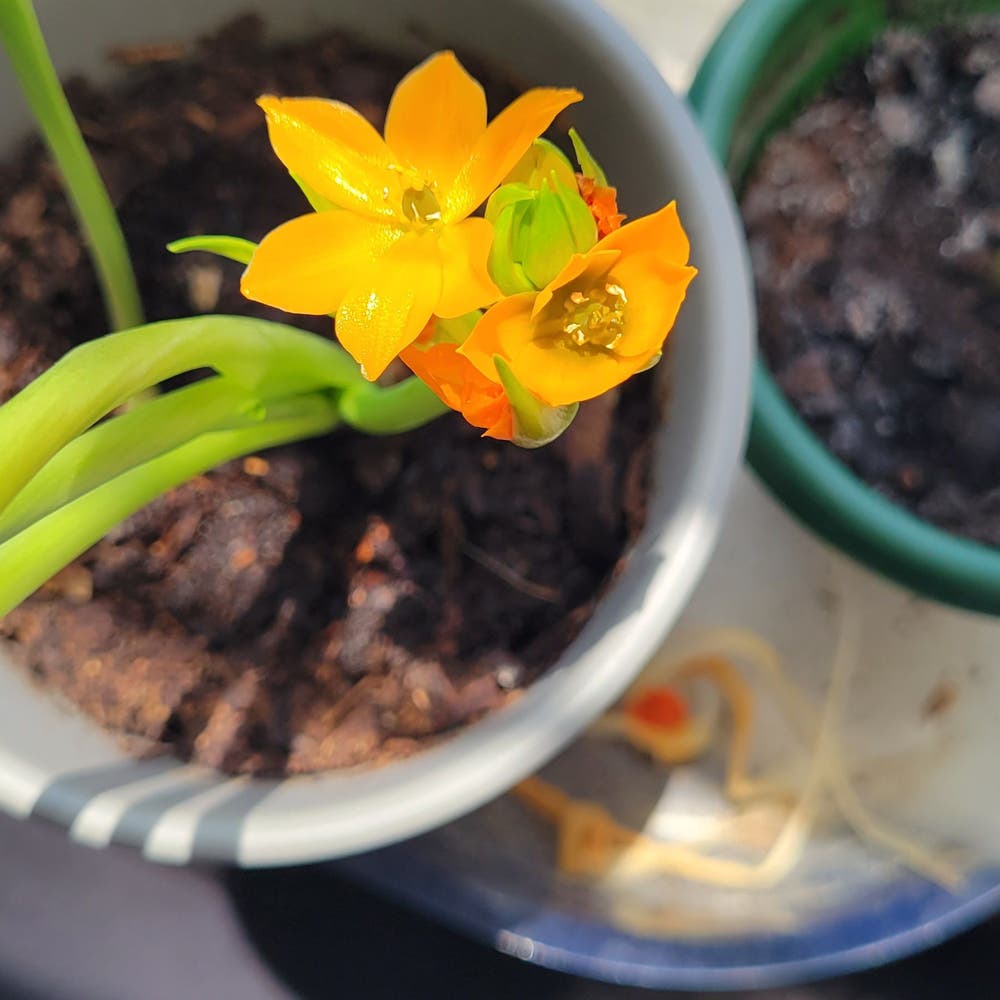
🌼 How to Know When to Repot Your Sunstar Flower
Ornithogalum dubium
By the Greg Editorial Team
Oct 16, 2024•7 min read
This article was created with the help of AI so we can cover more plants for you. May contain errors. See one? Report it here.
Revitalize your Sunstar flower by mastering repotting signs and techniques for vibrant growth! 🌱✨
- 🌱 Roots out of drainage holes indicate it's time to repot your Sunstar flower.
- 🌼 Stunted growth and yellow leaves signal root stress; repotting can help.
- 🕒 Repot every 2-3 years or sooner if signs of stress appear.
Signs That Your Sunstar Flower Needs Repotting
🌱 Root Health Indicators
One of the first signs that your Sunstar flower needs repotting is when you notice roots growing out of the drainage holes. This indicates that the plant is root-bound and desperately needs more space to thrive.
Another telltale sign is roots circling the pot. If you see this, it’s a clear suggestion that your plant is cramped and requires a larger pot to continue its healthy growth.
🌼 Plant Health Indicators
Stunted growth is another red flag. If your Sunstar flower seems to have hit a growth plateau, it might be due to limited root space.
You should also watch for yellowing leaves. This can indicate overwatering or root stress, both of which signal that your plant is struggling.
Lastly, if your plant is wilting despite adequate watering, it may be a sign of root issues or compacted soil. This condition can hinder the plant's ability to absorb water effectively.
Recognizing these signs early can help you take action and ensure your Sunstar flower remains vibrant and healthy. Next, let’s explore the ideal timing for repotting to maximize your plant's potential.
Ideal Timing for Repotting
🌱 Seasonal Considerations
The best time to repot your Sunstar flower is early spring, just before the growing season kicks off. This timing allows the plant to settle into its new home and thrive as it begins to grow.
Avoid repotting during the flowering phase. Stressing the plant at this time can negatively impact the quality of its blooms, which is the last thing you want after all your care.
⏰ Frequency of Repotting
As a general guideline, aim to repot every 2-3 years. However, keep an eye out for signs of root-bound conditions, which may prompt you to repot sooner.
Regularly assessing your plant's health will help you determine the right timing. This proactive approach ensures your Sunstar flower remains vibrant and healthy.
With the timing sorted, let’s dive into the step-by-step guide for repotting your beloved plant!
Step-by-Step Guide to Repotting
Repotting your Sunstar Flower can seem daunting, but with the right approach, it’s a straightforward process. Follow these steps to ensure your plant thrives in its new home.
1. Gather Materials 🛠️
Start by collecting your essentials: a new pot, fresh potting soil, and tools like a trowel and gloves. Having everything on hand will make the process smoother.
2. Choose the Right Pot Size 📏
Select a pot that is 1-2 inches larger in diameter than the current one. This extra space allows for healthy root growth without overwhelming the plant.
3. Prepare the New Pot 🧱
Before planting, check that the drainage holes are clear. Add a layer of potting soil at the bottom to provide a cushion for the roots.
4. Remove the Plant from Its Current Pot 🌱
Gently loosen the soil around the edges of the pot. Carefully lift the plant, taking care not to damage the roots during this process.
5. Inspect the Roots 🔍
Once out, examine the roots closely. Trim any dead or damaged roots with sterilized scissors to promote healthy growth.
6. Place the Plant in the New Pot 🌼
Center the plant in the new pot and fill in with potting soil. Ensure the crown of the plant is level with the soil surface for optimal growth.
7. Water Thoroughly 💧
After potting, water the plant thoroughly. The soil should be moist but not waterlogged, which helps settle the roots.
8. Label the Pot if Necessary 🏷️
If you want to keep track of your plant's care, label the pot with the date of repotting. This can help you monitor its growth and care schedule.
Following these steps will set your Sunstar Flower up for success in its new pot. Next, let’s explore the best practices for post-repotting care to ensure your plant continues to thrive.
Pot Material Options
🌱 Benefits of Terracotta Pots
Terracotta pots are a gardener's best friend when it comes to drainage. Their porous nature allows moisture to evaporate, reducing the risk of overwatering.
Additionally, these pots offer a natural aesthetic that beautifully complements your Sunstar flower. Their earthy look can enhance any indoor or outdoor space.
🥤 Pros and Cons of Plastic Pots
Plastic pots are lightweight and easy to handle, making them a practical choice for larger plants. However, they can retain moisture, which might lead to overwatering if you're not careful.
While they come in various colors and styles, it's essential to monitor the moisture levels closely to keep your plant healthy.
🍶 Other Pot Materials to Consider
Ceramic pots are visually appealing and can add a touch of elegance to your plant display. Just ensure they have drainage holes, as their weight can make them cumbersome.
Metal pots can be stylish but may heat up quickly in direct sunlight, potentially harming root health. Always consider the climate when choosing this material.
🌧️ How Pot Material Affects Drainage and Root Health
Proper drainage is crucial for preventing root rot and promoting healthy growth. The right pot material can significantly impact how well your Sunstar flower thrives.
When selecting a pot, think about your climate and care routine. This will help you choose a material that supports your plant's needs effectively.
As you consider these options, remember that the right pot can make a world of difference in your plant's health and happiness. Next, let’s dive into the essential post-repotting care to ensure your Sunstar flower continues to flourish.
Post-Repotting Care
💧 Watering Guidelines After Repotting
After repotting your Sunstar flower, start with a light watering. This helps settle the soil, but be sure to let it dry out before the next watering.
Watering frequency is crucial; only water when the top inch of soil feels dry. This prevents overwatering, which can lead to root rot.
☀️ Light Requirements Post-Repotting
Your Sunstar flower will thrive in bright, indirect light after repotting. For the first few weeks, avoid direct sunlight to help it acclimate.
As your plant adjusts, gradually reintroduce it to full sun. This transition supports healthy growth and vibrant blooms.
👀 Monitoring Root Health After Repotting
Keep an eye on your plant for signs of stress, such as wilting or yellowing leaves. These symptoms may indicate underlying issues with the roots.
Regularly inspect the drainage to ensure excess water is escaping. Proper drainage is essential for maintaining root health and preventing complications.
By following these post-repotting care tips, you set your Sunstar flower up for success. Next, let’s explore common repotting mistakes to avoid for a smoother experience.
Common Repotting Mistakes
🌱 Overpotting vs. Underpotting
Overpotting can be a sneaky trap for plant parents. When you choose a pot that's too large, it can lead to excess soil moisture, creating a perfect environment for root rot.
On the flip side, underpotting restricts your Sunstar Flower's growth. A cramped space can stress the plant, limiting its ability to thrive and flourish.
🚨 Signs of Stress After Repotting
After repotting, keep an eye out for signs of stress. Leaf drop or wilting can indicate that your plant is struggling to adapt to its new environment.
Slow growth is another red flag. If your Sunstar isn’t pushing out new leaves, it might be dealing with root issues or environmental stress.
🛠️ How to Avoid Damaging Roots During Repotting
To ensure a smooth repotting process, use gentle techniques. Loosen the soil carefully around the edges, and avoid pulling on the plant itself.
Keeping the roots intact is crucial. Minimizing disturbance helps your Sunstar recover more quickly and thrive in its new home.
By being mindful of these common mistakes, you can set your Sunstar Flower up for success. Next, let’s explore how to care for your plant after repotting to ensure it continues to thrive.
⚠️ Safety First
This content is for general information and may contain errors, omissions, or outdated details. It is not medical, veterinary advice, or an endorsement of therapeutic claims.
Always consult a qualified healthcare professional before using any plant as food, medicine, or supplement.
Never eat any plant (or feed one to pets) without confirming its identity with at least two trusted sources.
If you suspect poisoning, call Poison Control (800) 222-1222, the Pet Poison Helpline (800) 213-6680, or your local emergency service immediately.
Spotted an error? Please report it here.
Keep your Sunstar flower thriving 🌼 by using Greg's tailored reminders for repotting and care tips that ensure a smooth transition to its new pot!