8 Tips for Blooming Your Orange Star Plant ⭐
Ornithogalum dubium
By the Greg Editorial Team
Oct 17, 2024•4 min read
This article was created with the help of AI so we can cover more plants for you. May contain errors. See one? Report it here.
Transform your Orange Star Plant into a blooming beauty 🌸 with these essential care tips for vibrant flowers!
- 🌼 Bright, indirect sunlight and moisture are key for blooming your Orange Star Plant.
- 🌞 Insufficient light and humidity can hinder blooming; adjust conditions for success.
- 🌿 Flowers last 2-3 months, adding charm; learn to enhance their beauty!
Flowering Status
The Orange Star Plant does indeed produce flowers, although they are small and often go unnoticed. The real showstopper is the vibrant flower spike, which serves as the plant's main ornamental feature.
🌱 Reasons for Non-Flowering
If your Orange Star Plant isn't flowering, several environmental factors could be at play. Insufficient light or improper humidity levels are common culprits that can hinder blooming.
Ensuring your plant has the right conditions is crucial for encouraging those beautiful spikes to emerge. Keep an eye on your plant's environment to help it thrive and showcase its floral potential.
With the right care, you can enjoy the full beauty of this unique plant. Next, let’s explore what happens when the Orange Star Plant does flower.
If Orange Star Plant Flowers
🌸 Flower Characteristics
Description of Colors and Structure
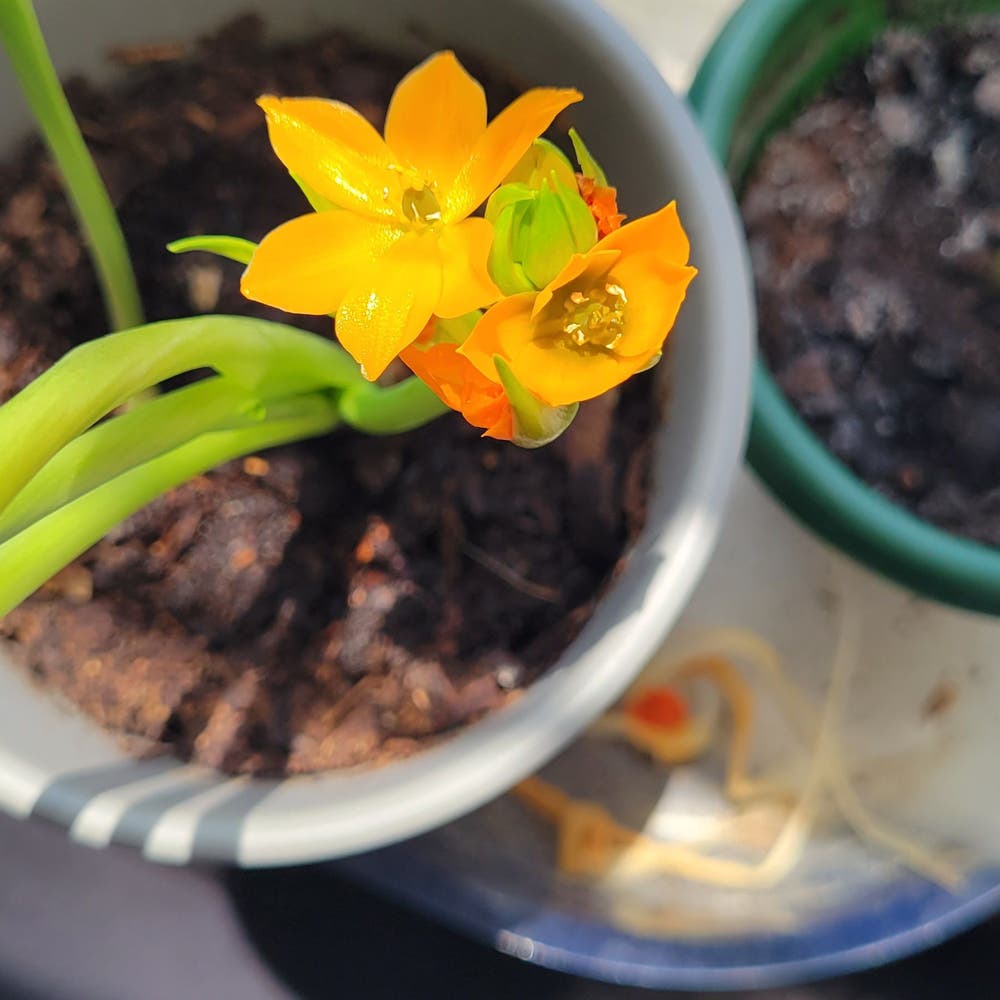
The Orange Star Plant showcases vibrant flower spikes, typically in shades of red or orange. These small, tubular flowers emerge from colorful bracts, creating a striking visual display.
Self-Pollination vs. External Pollination
This plant is capable of self-pollination, allowing it to reproduce independently. However, external pollination can enhance genetic diversity, leading to healthier offspring.
🌼 Blooming Process
Stages of Blooming
The blooming process begins with initial bud formation, where small buds appear at the base of the flower spike. As these buds mature, they transition into full blooms, revealing the plant's colorful flowers.
Typical Bloom Time
Blooming usually occurs in late spring to early summer, making it a delightful addition to your garden during warmer months.
Duration from Bud Formation to Full Bloom
From the moment buds form, it takes approximately 4-6 weeks for the flowers to reach full bloom. This gradual process allows for anticipation and excitement.
Lifespan of Flowers
Once in bloom, the flowers typically last for 2-3 months before fading. This extended blooming period adds to the plant's charm and appeal.
🌱 Encouraging Blooms
Tips for Encouraging Flowering
To encourage flowering, ensure your Orange Star Plant receives bright, indirect sunlight. Consistent moisture is key, so water regularly without causing waterlogging.
Fertilizing with a balanced fertilizer during the growing season can also promote healthy blooms.
Factors Influencing Flowering
Environmental factors play a significant role in the blooming process. Temperature and humidity levels can greatly influence whether your plant will flower.
🌿 Post-Flowering
What Happens After Flowering
After flowering, the plant's leaves may remain vibrant, but the flower spike will die back. This is a natural part of its life cycle.
Does the Plant Die After Flowering?
Rest assured, while the flower spike may fade, the plant itself continues to thrive and can produce offsets, ensuring its longevity.
🐝 Pollination
Methods of Pollination
Natural pollination methods include wind and insect activity, which can help in the reproduction process. If desired, you can also try manual pollination techniques to assist your plant.
By understanding the flowering process and how to encourage blooms, you can enjoy the beauty of the Orange Star Plant to its fullest. Next, let’s explore what happens when your plant doesn’t flower.
If Orange Star Plant Doesn't Flower
🌿 Primary Ornamental or Functional Features
Even if your Orange Star Plant doesn’t bloom, it still shines with its striking foliage and colorful bracts. These features are the real stars of the show, offering vibrant greens and reds that can brighten any space.
This plant thrives in various conditions, thanks to its bromeliad nature. It’s adaptable and resilient, making it a fantastic choice for both novice and experienced plant lovers.
🌱 Reproduction Without Flowers
The Orange Star Plant has a clever way of reproducing without the need for flowers. It produces offsets, or "pups," that allow it to spread and flourish even when flowering isn’t in the cards.
These offsets can be separated and planted to create new plants, ensuring that your garden continues to thrive. This unique reproductive strategy highlights the plant's ability to adapt and survive in diverse environments.
Unique Aspects
🌼 Unusual Characteristics Related to Flowering or Non-Flowering Nature
The Orange Star Plant boasts remarkable adaptations for water retention. Its thick, waxy leaves trap moisture, allowing it to thrive in environments where water may be scarce.
This unique feature not only supports its survival but also influences its flowering cycle. A healthy plant is more likely to bloom, as its overall vitality directly impacts its ability to produce flowers.
🤓 Interesting Facts or Trivia About Reproductive Strategy
Did you know that the Orange Star Plant can flourish in low-light conditions? This resilience makes it a popular choice for indoor gardening.
Additionally, it can reproduce without flowering by producing offsets. This vegetative reproduction allows the plant to spread and thrive, even when flowering conditions aren't ideal.
⚠️ Safety First
This content is for general information and may contain errors, omissions, or outdated details. It is not medical, veterinary advice, or an endorsement of therapeutic claims.
Always consult a qualified healthcare professional before using any plant as food, medicine, or supplement.
Never eat any plant (or feed one to pets) without confirming its identity with at least two trusted sources.
If you suspect poisoning, call Poison Control (800) 222-1222, the Pet Poison Helpline (800) 213-6680, or your local emergency service immediately.
Spotted an error? Please report it here.
Unlock the vibrant blooms of your Orange Star Plant 🌟 by using Greg's tailored care reminders to provide the perfect light and moisture it craves!