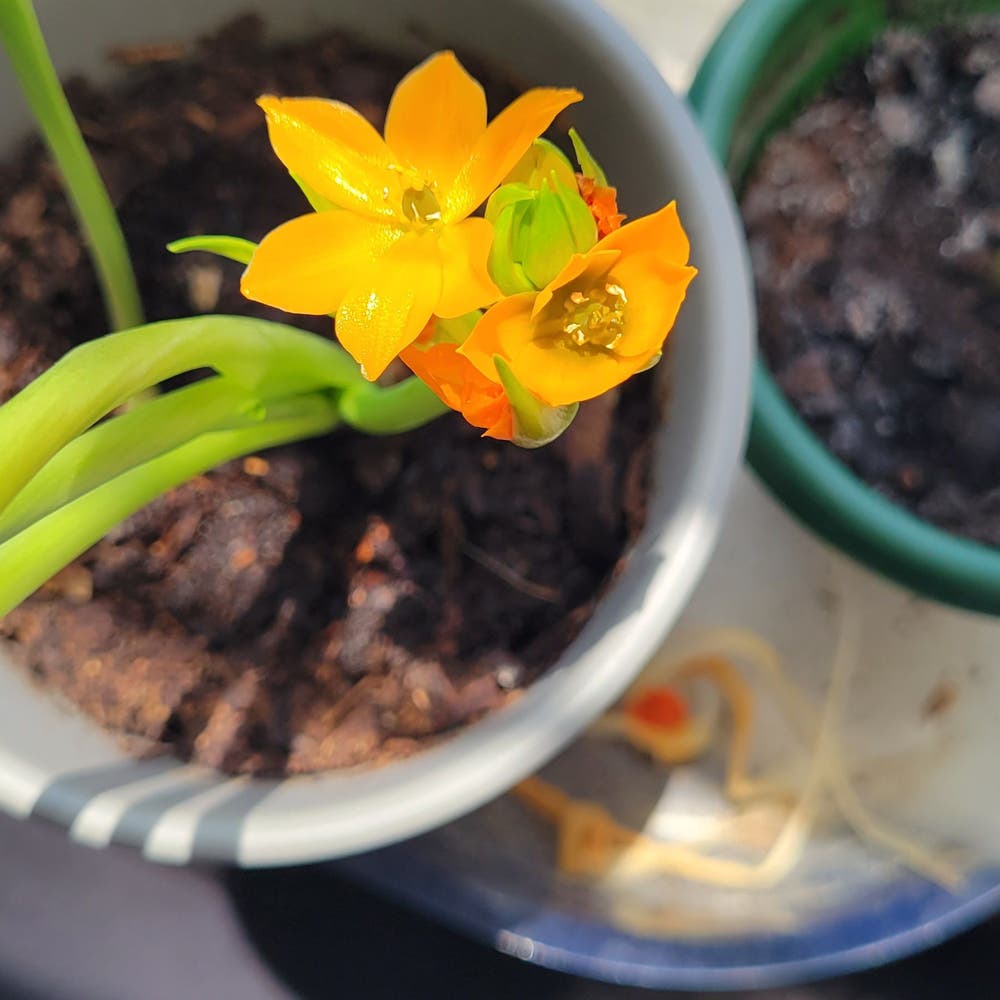
3 Key Aspects of Orange Star Plant Size 🍊
Ornithogalum dubium
By the Greg Editorial Team
Oct 17, 2024•5 min read
This article was created with the help of AI so we can cover more plants for you. May contain errors. See one? Report it here.
Unlock a vibrant garden 🌱 by mastering the growth and care of your Orange Star plants for stunning results!
- 🌱 Orange Star plants grow 12-24 inches tall and spread 12-18 inches wide.
- 🌞 Bright, indirect sunlight and well-drained soil are crucial for optimal growth.
- 🕒 Full size takes 2-3 years; pruning helps control size effectively.
Mature Height and Spread
Typical Mature Height 🌱
The Orange Star plant typically reaches a height of 12 to 24 inches (30 to 60 cm) when fully mature. Several factors influence this height, including light exposure, soil quality, and watering practices.
Typical Mature Spread 📏
In terms of spread, you can expect the Orange Star to extend 12 to 18 inches (30 to 45 cm). This spread is crucial for garden design and container arrangements, ensuring that each plant has enough room to thrive without overcrowding.
Flowering Size 🌸
Flowering can significantly impact the overall dimensions of the plant. During blooming periods, both height and spread may increase, adding a vibrant touch to your garden while showcasing the plant's full potential.
Understanding these aspects of height and spread will help you make informed decisions about placement and care, ensuring your Orange Star plants flourish beautifully. Next, let's explore their growth rate and the time it takes to reach full size.
Growth Rate and Time to Full Size
Growth Rate 🌱
The Orange Star plant boasts a moderate growth rate, typically reaching between 6 to 12 inches (15 to 30 cm) each year. This growth can be influenced by several factors, including nutrient availability, light conditions, and how frequently you water.
Time to Reach Full Size ⏳
Expect your Orange Star plant to take about 2 to 3 years to achieve its mature dimensions. However, this timeframe can vary based on your care practices and the environmental conditions in which the plant is growing.
Understanding these growth dynamics can help you better plan for your garden or container arrangements. With the right care, your Orange Star will flourish beautifully, enhancing your space with its vibrant presence.
Size Variability in Different Conditions
🌤️ Environmental Conditions
Light
Optimal light conditions are crucial for the orange star plant. Bright, indirect sunlight promotes healthy growth, allowing the plant to reach its full potential.
Insufficient light can lead to stunted growth and reduced size. If your plant seems to be struggling, consider adjusting its light exposure.
Water
Watering practices significantly impact the size of your orange star plant. Consistent moisture is essential, but overwatering can be detrimental.
Signs of water stress include wilting leaves and reduced dimensions. Monitoring your watering habits can help maintain optimal plant size.
Soil
Soil quality plays a vital role in the growth of the orange star plant. Well-drained, nutrient-rich soil encourages optimal growth and larger dimensions.
Conversely, poor soil can lead to smaller plants and stunted growth. Investing in quality soil can make a noticeable difference.
🌱 Container vs. Ground Growth
The size of your orange star plant can vary significantly depending on whether it's grown in a container or in the ground. Container growth often results in smaller plants due to limited root space.
Soil volume in containers also impacts dimensions. If you're aiming for a larger plant, consider planting directly in the ground when possible.
Understanding these factors can help you create the ideal environment for your orange star plant, ensuring it thrives and reaches its full size potential. Next, we’ll explore the different varieties of orange star plants and how their sizes can differ.
Varieties
Dwarf Varieties 🌱
Dwarf orange star plants typically stand under 12 inches (30 cm) tall. These compact beauties are perfect for container gardening and small spaces, making them a favorite for urban gardeners.
Their petite size doesn’t compromise their charm. With vibrant blooms, they add a splash of color without overwhelming your garden or patio.
Giant Varieties 🌳
On the other end of the spectrum, giant orange star plants can soar over 24 inches (60 cm). These impressive specimens make a bold statement in any landscape, drawing attention with their stature.
Caring for giant varieties requires a bit more effort. They thrive in well-drained soil and need ample sunlight to reach their full potential, so be prepared to give them the space and nutrients they crave.
Understanding these varieties helps you choose the right fit for your gardening needs. Whether you opt for the compact dwarf or the towering giant, each brings its unique flair to your green space.
Next, let’s explore how to control the size of your orange star plants effectively.
Controlling Size
Pruning Techniques ✂️
Pruning is essential for controlling the size of your Orange Star plant. It encourages bushier growth and helps limit height, making your plant more manageable.
To effectively prune, consider pinching back growth tips. This method not only promotes fuller foliage but also keeps the plant from becoming leggy. Additionally, removing dead leaves can enhance overall health and appearance.
Other Methods to Manage Growth 📏
Adjusting environmental factors can significantly influence your plant's size. Modifying light exposure and watering practices helps create the ideal conditions for growth.
Fertilization also plays a crucial role. Providing balanced nutrients ensures your Orange Star plant achieves its desired dimensions without becoming overgrown.
Lastly, consider container size management. Choosing the right pot size can restrict root growth, effectively controlling the overall size of your plant.
With these techniques, you can maintain a vibrant and well-sized Orange Star plant that fits perfectly in your garden or home.
Next, let’s explore the fascinating variety of Orange Star plants and how their sizes differ.
⚠️ Safety First
This content is for general information and may contain errors, omissions, or outdated details. It is not medical, veterinary advice, or an endorsement of therapeutic claims.
Always consult a qualified healthcare professional before using any plant as food, medicine, or supplement.
Never eat any plant (or feed one to pets) without confirming its identity with at least two trusted sources.
If you suspect poisoning, call Poison Control (800) 222-1222, the Pet Poison Helpline (800) 213-6680, or your local emergency service immediately.
Spotted an error? Please report it here.
Master the art of growing your Orange Star plant to its full potential 🌱 with Greg's customized care tips and watering reminders that ensure it thrives beautifully in your garden!