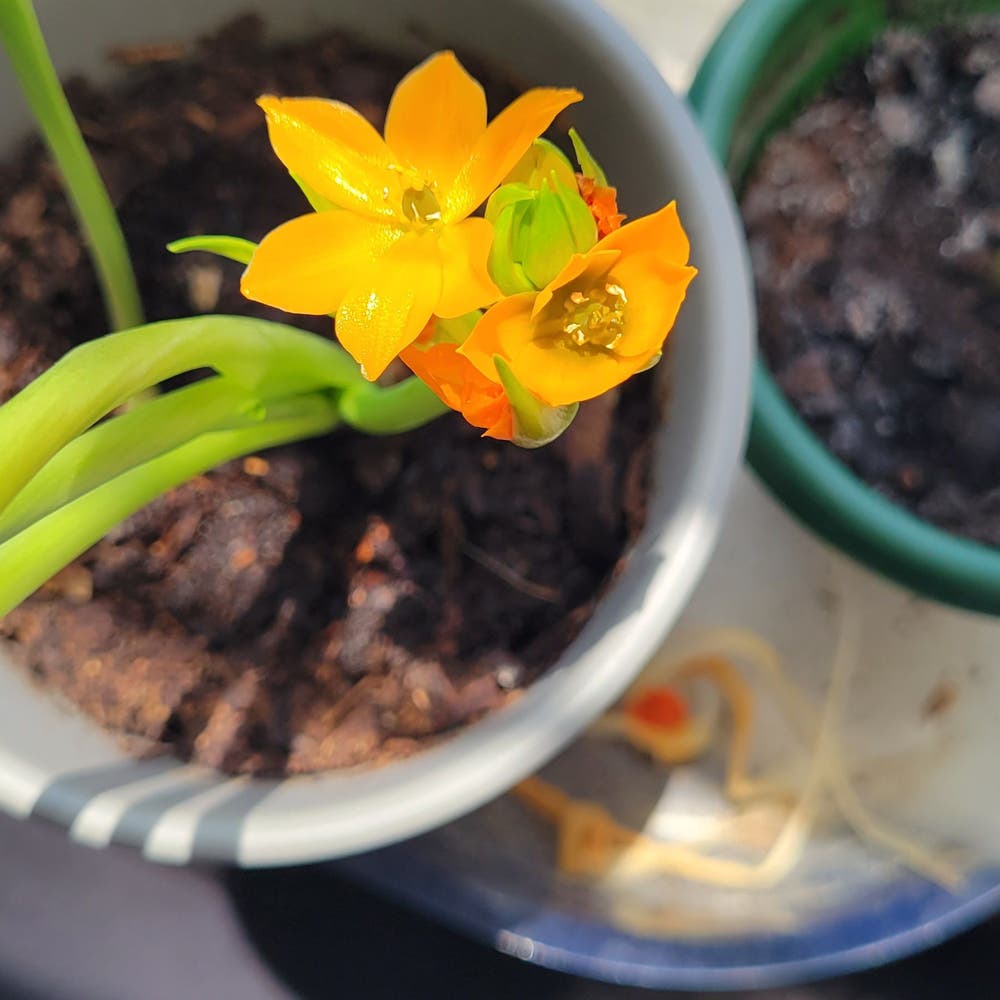
⭐ 4 Tips for Fertilizing Your Orange Star Plant
Ornithogalum dubium
By the Greg Editorial Team
Oct 17, 2024•4 min read
This article was created with the help of AI so we can cover more plants for you. May contain errors. See one? Report it here.
Nurture your Orange Star Plant 🌱 with essential nutrients and expert tips for stunning blooms and vibrant growth!
- 🌱 Orange Star Plants need nitrogen, phosphorus, and potassium for optimal growth and health.
- 💧 Well-draining soil and organic fertilizers enhance nutrient retention and promote sustainability.
- 📅 Fertilize every 4-6 weeks during growing season; adjust based on plant health and environment.
Nutrient Requirements
Essential Nutrients 🌱
To thrive, your Orange Star Plant needs three key nutrients.
- Nitrogen is essential for promoting lush leaf growth and overall vigor.
- Phosphorus plays a crucial role in blooming, so higher levels are preferred during the flowering phase.
- Potassium supports root health and boosts disease resistance, making it vital for a robust plant.
Soil Nutrients 🏵️
The right soil is just as important as the nutrients themselves.
Well-draining soil prevents nutrient leaching, ensuring your plant gets the most out of its fertilizer.
Consider adding amendments like compost or perlite to enhance nutrient availability and improve soil structure.
These simple adjustments can make a world of difference in your plant's health and growth.
With the right nutrients and soil, your Orange Star Plant will flourish beautifully.
Next, let’s explore the types of fertilizers that can help you achieve this vibrant growth.
Types of Fertilizers
🌱 Organic Fertilizers
Using organic fertilizers is a fantastic way to promote sustainability in your gardening practices. They enrich the soil naturally, improving its structure and nutrient content.
Recommended organic options include compost, worm castings, and fish emulsion. Each of these provides essential nutrients while enhancing soil health.
💧 Liquid Fertilizers
Liquid fertilizers offer quick nutrient absorption, making them ideal for immediate plant needs. They can deliver nutrients directly to the roots, ensuring your Orange Star Plant thrives.
Look for balanced formulas with higher phosphorus content. This is crucial for promoting blooming and overall plant vigor.
⚖️ Balanced Fertilizer Recommendations
For optimal growth, consider fertilizers with NPK ratios like 10-20-20. These ratios ensure your plant receives the right balance of nutrients.
It's essential to select fertilizers specifically formulated for succulents. This helps avoid nutrient imbalances that can hinder growth.
With the right fertilizers in hand, you're well on your way to nurturing a vibrant Orange Star Plant. Next, let’s explore the best application techniques to maximize your fertilization efforts.
Application Techniques
Best Practices 🌱
When it comes to fertilizing your Orange Star Plant, understanding the difference between granular and liquid fertilizers is key. Granular fertilizers release nutrients slowly, making them ideal for long-term feeding, while liquid fertilizers provide a quick nutrient boost.
For liquid fertilizer application, follow this simple step-by-step guide:
- Dilute the fertilizer according to package instructions.
- Water the plant thoroughly before application.
- Apply the diluted solution directly to the soil, avoiding the leaves.
This method ensures that your plant receives the nutrients it needs without the risk of leaf burn.
Timing and Frequency ⏰
Fertilization frequency is crucial for optimal growth. Aim to fertilize every 4-6 weeks during the growing season for best results.
However, don’t forget to adjust this frequency based on your plant's growth and environmental conditions. If your plant is thriving, it may benefit from a little extra care, while a slower growth period might call for less frequent feeding.
By keeping an eye on your Orange Star Plant, you can tailor your fertilization schedule to meet its specific needs.
Signs of Over-Fertilization
Symptoms 🌱
Over-fertilization can be a sneaky issue for your Orange Star Plant. One of the first signs is yellowing leaves, often accompanied by stunted growth, which can leave you scratching your head.
Another critical symptom is root burn. If you inspect the roots and find them brown and mushy, it’s a clear indication that your plant has had too much of a good thing.
Prevention Strategies 🚫
To avoid these pitfalls, stick to recommended fertilizer schedules. Consistency is key; overdoing it can lead to more harm than good.
When introducing fertilizers, take it slow. Gradually increase the amount to help your plant adjust without shock, ensuring it thrives rather than struggles.
By keeping an eye on these signs and following preventive measures, you can maintain a healthy, vibrant Orange Star Plant. Next, let’s explore how to create a seasonal fertilization schedule that works for your plant’s needs.
Seasonal Fertilization Schedule
Spring 🌱
As the days grow longer and warmer, it's time to kick off your fertilization routine. Start fertilizing your orange star plant when you notice new growth emerging, using a balanced fertilizer with higher phosphorus to encourage those vibrant blooms.
Summer ☀️
During the summer months, your plant will thrive with regular feeding. Fertilize every 4-6 weeks to support blooming, but keep an eye on temperature and humidity; you may need to adjust your schedule based on these conditions.
Fall and Winter ❄️
As the seasons change, so should your fertilization approach. Reduce or halt fertilization during dormancy, and make sure to monitor your plant's health closely, adjusting care as needed to keep it thriving through the cooler months.
This seasonal schedule will help ensure your orange star plant gets the nutrients it needs at the right times, setting the stage for vibrant growth and stunning blooms. Next, let’s dive into the signs of over-fertilization and how to prevent it.
⚠️ Safety First
This content is for general information and may contain errors, omissions, or outdated details. It is not medical, veterinary advice, or an endorsement of therapeutic claims.
Always consult a qualified healthcare professional before using any plant as food, medicine, or supplement.
Never eat any plant (or feed one to pets) without confirming its identity with at least two trusted sources.
If you suspect poisoning, call Poison Control (800) 222-1222, the Pet Poison Helpline (800) 213-6680, or your local emergency service immediately.
Spotted an error? Please report it here.
Nurture your Orange Star Plant to bloom brilliantly 🌼 by using Greg's tailored fertilization reminders that ensure your plant gets the nutrients it craves at the right time!