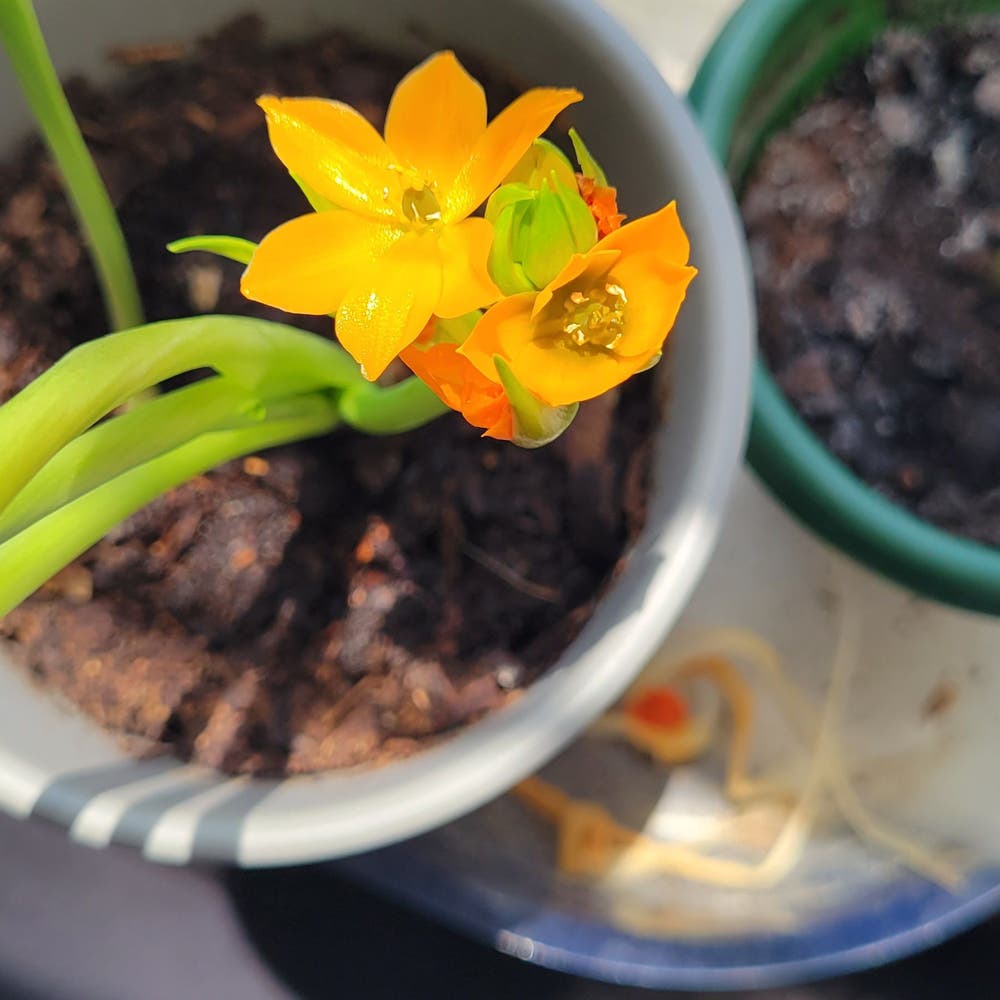
⭐ Orange Star Plant: Not an Annual
Ornithogalum dubium
By the Greg Editorial Team
Oct 17, 2024•5 min read
This article was created with the help of AI so we can cover more plants for you. May contain errors. See one? Report it here.
Unlock vibrant, year-round beauty in your garden with the resilient Orange Star Plant! 🌼
- 🌼 The Orange Star Plant is a perennial, thriving for multiple growing seasons.
- 🌱 It features a bulbous root system, storing energy for regrowth each year.
- ☀️ Requires full sunlight and well-drained soil for optimal growth and vibrant blooms.
Orange Star Plant Characteristics
🌱 Genetic and Physiological Traits
The Orange Star Plant features a bulbous root system that stores energy, enabling it to regrow year after year. This adaptation allows it to thrive in well-drained soils and bask in full sunlight, making it a resilient choice for gardens.
📅 Long-term Lifecycle and Growth Patterns
This plant can survive multiple growing seasons, showcasing its longevity. It enters a dormant phase during winter, then bursts into active growth in spring and summer, producing stunning star-shaped flowers in clusters.
🌼 Reproductive Strategies
After flowering, the Orange Star Plant is capable of producing seeds, ensuring its continuation. Additionally, it can propagate through bulb offsets, making it a clever survivor in various environments.
Its genetic characteristics are finely tuned for long-term survival and reproduction, allowing it to adapt to changing conditions while maintaining its vibrant presence in gardens.
With a solid understanding of these characteristics, you're well-equipped to appreciate the unique qualities of the Orange Star Plant. Next, let’s explore how its lifecycle compares to true annuals.
Lifecycle Comparison
Lifecycle vs. True Annuals 🌱
The Orange Star Plant boasts a lifecycle that spans multiple years, distinguishing it from true annuals. While annuals complete their life cycle in a single growing season, the Orange Star Plant thrives over several years, allowing it to establish a robust presence in your garden.
In terms of growth stages, perennials like the Orange Star Plant invest significantly in their root systems. This investment supports longevity, enabling them to survive harsh conditions and return year after year.
Growth, Flowering, and Seed Production Differences 🌼
When it comes to flowering patterns, the Orange Star Plant offers an extended blooming season. Unlike annuals, which often have a concentrated flowering period, this perennial delights with star-shaped flowers that can grace your garden for months.
Seed production also varies between these plant types. The Orange Star Plant produces seeds at a different pace and quantity compared to annuals, ensuring a steady cycle of growth and renewal.
Environmental factors play a crucial role in this dynamic. Climate can significantly influence both flowering and seed production, affecting how and when the Orange Star Plant showcases its beauty.
Understanding these differences not only enhances your gardening knowledge but also helps you appreciate the unique qualities of the Orange Star Plant. As we delve deeper into misconceptions and exceptions, you'll discover how to better care for this resilient perennial.
Misconceptions and Exceptions
🌱 Conditions Where Mistaken for an Annual
The Orange Star Plant can often be mistaken for an annual due to environmental stressors. Poor soil quality or insufficient sunlight can stunt its growth, leading to the misconception that it doesn't survive beyond a single season.
Mismanagement also plays a role in this misunderstanding. Overwatering or neglect can cause the plant to die prematurely, reinforcing the idea that it's an annual rather than a resilient perennial.
🌍 Regional Variations in Behavior
Climate significantly impacts the behavior of the Orange Star Plant. In harsher climates, its perennial nature may be challenged, affecting its growth and flowering patterns.
Adaptation is key for this plant. Variations in local conditions can lead to differences in flowering and growth, showcasing its remarkable ability to thrive in diverse environments. Understanding these factors can help gardeners appreciate the true nature of the Orange Star Plant.
As we explore the gardening implications of this unique plant, it's essential to recognize how its characteristics can enhance garden design and sustainability.
Gardening Implications
🌼 Advantages in Garden Design
Incorporating the Orange Star Plant into your garden offers a long-term investment in aesthetics. These perennials provide vibrant color and texture, enhancing your landscape year after year.
Their continuous blooms across multiple seasons ensure that your garden remains lively and engaging. This extended flowering period not only beautifies your space but also creates a dynamic environment that changes with the seasons.
Additionally, these plants play a crucial role in supporting local ecosystems. By attracting pollinators like bees and butterflies, the Orange Star Plant contributes to a thriving garden ecosystem.
🌱 Planning for Perennial Growth
When planning your garden, consider design strategies that incorporate the Orange Star Plant effectively. Grouping them with other perennials can create a stunning visual impact while ensuring a cohesive look.
Understanding the growth cycles of these plants is essential for effective planting and maintenance. Timing your planting to align with their active growth periods will maximize their potential.
Efficient resource management is key to nurturing perennials. Properly allocating water and nutrients will not only support the Orange Star Plant but also enhance the overall health of your garden.
By embracing these gardening implications, you can create a vibrant, sustainable landscape that flourishes year after year. As we move forward, let’s explore how to maximize the longevity of your Orange Star Plant for enduring beauty and resilience.
Maximizing Longevity
Tips for Managing as a Perennial 🌱
To ensure your Orange Star Plant thrives, start with the right soil. Well-drained soil is crucial for the health of its bulbous root system, preventing rot and promoting robust growth.
Watering practices are equally important. Aim for a balance in moisture levels; too much water can lead to bulb decay, while too little can stunt growth.
Best Practices for Encouraging Long-term Growth 🌼
A solid fertilization schedule can make a significant difference. Apply nutrients during the growing season to support vigorous growth and flowering.
Pruning and deadheading are essential techniques to keep your plant healthy. Regularly removing spent flowers encourages new blooms and prevents energy drain.
Seasonal care is vital for adapting to climate changes. Adjust your maintenance routine based on weather conditions to ensure your Orange Star Plant remains vibrant year-round.
By following these tips and practices, you can maximize the longevity of your Orange Star Plant, ensuring it continues to bring beauty to your garden for years to come. Next, let’s explore the gardening implications of incorporating this perennial into your landscape design.
⚠️ Safety First
This content is for general information and may contain errors, omissions, or outdated details. It is not medical, veterinary advice, or an endorsement of therapeutic claims.
Always consult a qualified healthcare professional before using any plant as food, medicine, or supplement.
Never eat any plant (or feed one to pets) without confirming its identity with at least two trusted sources.
If you suspect poisoning, call Poison Control (800) 222-1222, the Pet Poison Helpline (800) 213-6680, or your local emergency service immediately.
Spotted an error? Please report it here.
Maximize your Orange Star Plant's vibrancy 🌟 year after year with Greg's tailored watering alerts and expert care tips that ensure your garden flourishes!