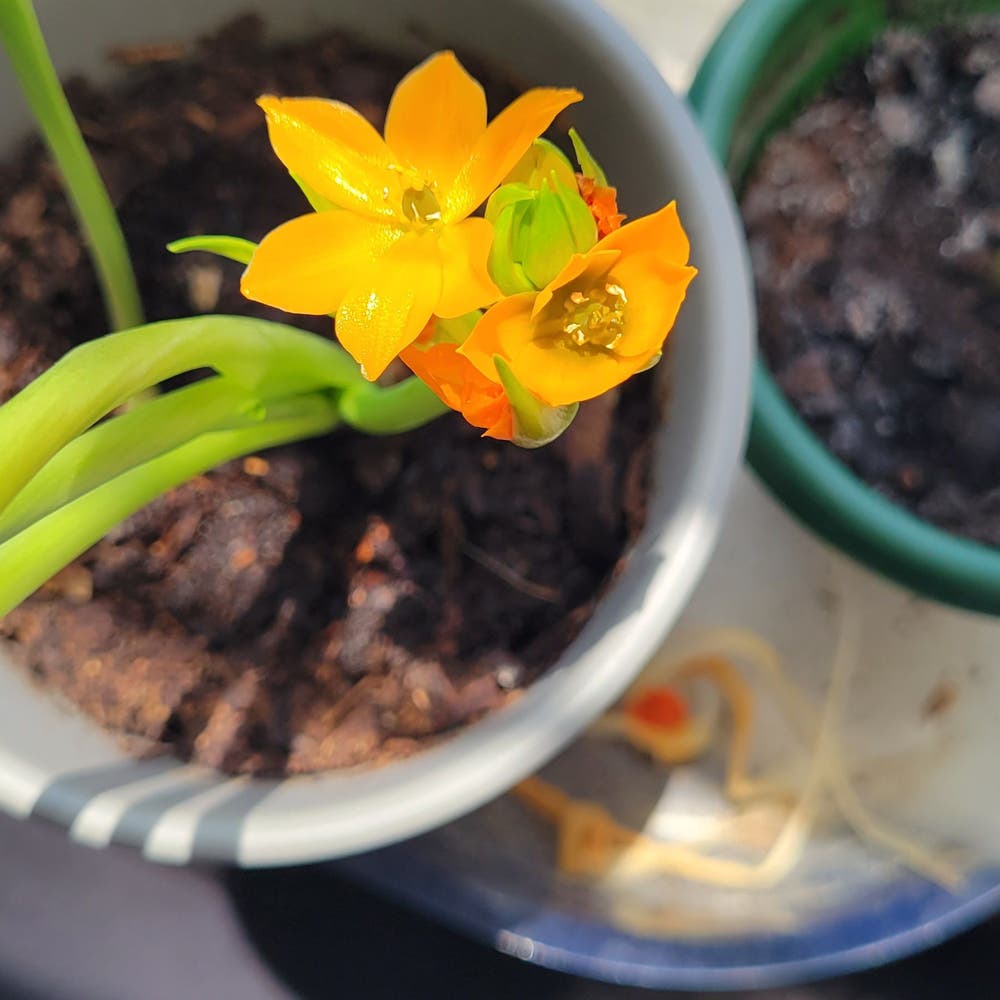
How to Fix Root Rot in Your Orange Star Plant ⭐️
Ornithogalum dubium
By the Greg Editorial Team
Oct 17, 2024•5 min read
This article was created with the help of AI so we can cover more plants for you. May contain errors. See one? Report it here.
Save your orange star plant from root rot with these vital tips for diagnosis and prevention! 🌿✨
- 💧 Overwatering suffocates roots, leading to root rot in orange star plants.
- 🌱 Early signs include leaf discoloration and dark, mushy roots; act quickly!
- 🏺 Use well-draining soil and pots to prevent excess moisture and root decay.
Causes of Root Rot
💧 Overwatering
Overwatering is a primary culprit behind root rot in your orange star plant. Excess moisture saturates the soil, leading to waterlogged conditions that suffocate the roots.
🍄 Fungal Infections
Fungal infections are another significant cause of root decay. Pathogens like Pythium and Fusarium thrive in overly moist environments, attacking the roots and causing them to rot.
🚫 Poor Soil Drainage
Poor soil drainage exacerbates the problem, especially in container gardening. If the potting mix doesn't allow excess water to escape, it creates a breeding ground for root rot, compromising your plant's health.
Understanding these causes is crucial for effective prevention and treatment. By addressing these issues, you can help your orange star plant thrive and avoid the pitfalls of root rot.
Diagnosing Root Rot
Visual Signs to Look For 🌱
Identifying root rot early can save your orange star plant. Start by checking for leaf discoloration; yellowing or browning edges often signal distress.
Next, observe the plant's growth. If you notice stunted growth or a lack of new flowers, it could be a sign of root issues. Finally, inspect the roots themselves. When you remove the plant from the soil, look for dark, mushy roots—a clear indicator of rot.
Soil Testing for Moisture Levels 💧
Understanding soil moisture is crucial for diagnosing root rot. Use a moisture meter or simply stick your finger into the soil to check its dampness.
Look for signs of waterlogged soil; if the soil feels sinking or compacted, it’s likely retaining too much moisture. Regular checks are essential—aim to assess moisture levels at consistent intervals to prevent overwatering.
By staying vigilant and recognizing these signs, you can take action before root rot becomes a serious issue. Next, let’s explore how to treat root rot effectively.
Treating Root Rot
Step-by-Step Treatment Process 🌱
Remove the plant from its pot: Start by gently loosening the soil around the roots. This helps minimize stress on the plant during the process.
Inspect the roots: Carefully examine the roots to differentiate between healthy and rotting sections. Healthy roots should be firm and white, while rotting roots appear dark and mushy.
Trim affected roots: Use sterilized scissors to cut away any damaged areas. This prevents the spread of decay and encourages new growth.
Clean the pot: Disinfect the pot with a bleach solution. This step is crucial to eliminate any lingering pathogens that could harm your plant.
Repot with fresh soil: Choose a well-draining potting mix suitable for succulents. This will provide your orange star plant with the right environment to thrive.
Recommended Fungicides or Treatments 🧪
Types of fungicides: Consider using systemic fungicides that work from within the plant or contact fungicides that target surface pathogens. Each has its benefits depending on the severity of the infection.
Application methods: Always follow label instructions for the best results. Proper application ensures that the treatment is effective without harming the plant.
Natural alternatives: If you prefer a more organic approach, cinnamon powder can act as a natural fungicide. Sprinkle it on the affected areas to help combat fungal issues.
By following these steps, you can effectively treat root rot and give your orange star plant a second chance. Next, let’s explore how to prevent root rot from occurring in the first place.
Preventing Root Rot
🌊 Best Watering Practices
To keep your Orange Star plant thriving, it's crucial to master your watering routine. Allow the soil to dry out between waterings; this simple practice can significantly reduce the risk of root rot.
When you do water, aim for deep but infrequent sessions. This encourages roots to grow deeper into the soil, promoting a healthier plant overall.
🏞️ Importance of Soil Drainage
Soil drainage is another key factor in preventing root rot. Well-draining soil typically has a sandy or gritty texture, which allows excess water to escape easily.
Avoid compacted soil by regularly aerating it. This ensures that air and moisture can circulate, keeping your plant's roots happy and healthy.
🪴 Choosing the Right Pot
The pot you choose can make a big difference in your plant's health. Terracotta pots are often preferred because they allow for better air circulation and moisture evaporation compared to plastic pots.
Size matters too! Avoid oversized pots, as they can retain excess moisture, leading to root rot. A snug fit encourages the right moisture balance for your Orange Star plant.
By implementing these preventive measures, you can create an environment where your Orange Star plant can flourish. Next, let’s explore how to diagnose root rot effectively.
Monitoring Plant Health
Regular Checks for Root Health 🌱
To keep your orange star plant thriving, conduct monthly inspections of its root health. Look for early signs of distress, such as wilting leaves or stunted growth, which can indicate underlying issues.
Signs of Recovery After Treatment 🌼
After addressing root rot, watch for new growth as a positive sign of recovery. Healthy leaves and flowers emerging indicate that your plant is bouncing back, along with improved soil moisture levels that should remain consistently dry between waterings.
By staying vigilant and proactive, you can ensure your orange star plant remains healthy and vibrant. Next, let’s explore effective strategies for preventing root rot in the first place.
⚠️ Safety First
This content is for general information and may contain errors, omissions, or outdated details. It is not medical, veterinary advice, or an endorsement of therapeutic claims.
Always consult a qualified healthcare professional before using any plant as food, medicine, or supplement.
Never eat any plant (or feed one to pets) without confirming its identity with at least two trusted sources.
If you suspect poisoning, call Poison Control (800) 222-1222, the Pet Poison Helpline (800) 213-6680, or your local emergency service immediately.
Spotted an error? Please report it here.
Keep your orange star plant thriving and vibrant 🌟 by using Greg's tailored watering reminders and moisture checks to prevent root rot before it starts!