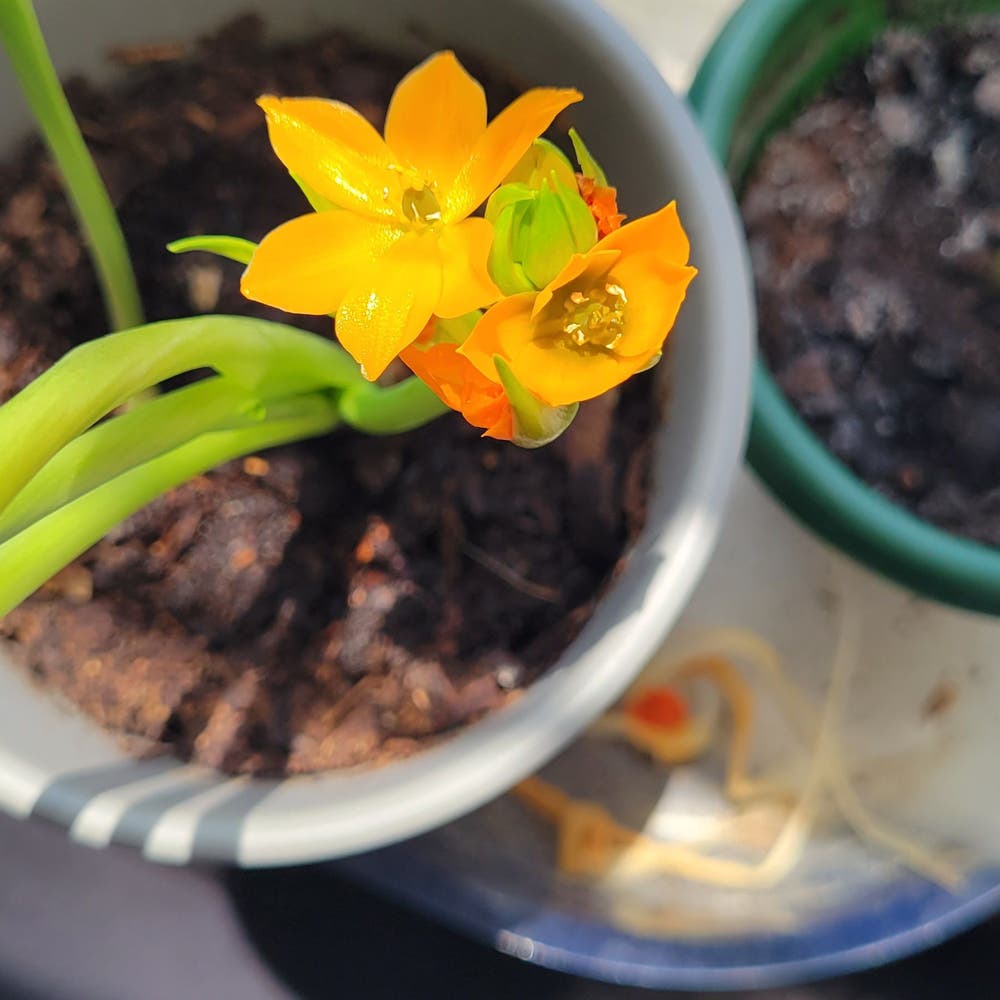
⭐ Star of Bethlehem Care: Preventing and Treating Root Rot
Ornithogalum dubium
By the Greg Editorial Team
Oct 18, 2024•4 min read
This article was created with the help of AI so we can cover more plants for you. May contain errors. See one? Report it here.
Revive your Star of Bethlehem from root rot and watch it thrive again with these essential care tips! 🌱
- 🌱 Early diagnosis of root rot is crucial for Star of Bethlehem recovery.
- 🕵️♂️ Inspect roots for discoloration and mushiness to identify root rot.
- 💧 Proper watering techniques and well-draining soil prevent root rot effectively.
Diagnosing Root Rot
👀 Visual Signs of Root Rot
Identifying root rot early can save your Star of Bethlehem. Look for leaf discoloration, such as yellowing or browning at the tips, which often signals distress.
Stunted growth is another red flag. If your plant isn’t producing new leaves or flowers, it might be struggling with root issues.
🌧️ Soil Testing for Moisture Levels
Understanding moisture levels is crucial for diagnosis. Start with the finger test: insert your finger into the soil to check how deep moisture reaches.
For a more accurate measurement, consider using a soil moisture meter. This handy tool can help you gauge moisture levels precisely.
🔍 Root Examination Techniques
To assess root health, gently remove the plant from its pot. This step allows you to inspect the roots closely.
Look for blackened, mushy, or foul-smelling roots, which indicate rot. Always use sterilized tools during this process to prevent further infection.
By recognizing these signs and employing these techniques, you can effectively diagnose root rot and take action before it’s too late. Next, let’s explore how to prevent root rot from occurring in the first place.
Preventing Root Rot
💧 Proper Watering Techniques
Watering your Star of Bethlehem correctly is crucial to prevent root rot. Allow the top inch of soil to dry out before watering again; this simple practice helps maintain the right moisture balance.
When watering, focus on the base of the plant. This method avoids wetting the foliage, which can lead to fungal issues.
🏺 Importance of Soil Drainage
Choosing the right soil is essential for healthy roots. Opt for a well-draining mix designed specifically for bulbs or cacti to ensure excess moisture escapes.
Additionally, consider your potting techniques. Elevate pots with drainage holes to promote airflow, which is vital for root health.
🪴 Choosing the Right Pot and Soil Mix
The material of your pot can significantly impact drainage. Terracotta or ceramic pots are excellent choices as they allow for better breathability.
For the soil mix, combine peat, perlite, and sand. This combination offers optimal drainage, keeping your plant's roots happy and healthy.
By implementing these preventive measures, you can create an environment that supports your Star of Bethlehem's growth and vitality. Next, let’s explore how to treat root rot if it does occur.
Treating Root Rot
🛠️ Step-by-Step Treatment Process
Treating root rot requires careful handling. Start by removing the plant from its pot, being gentle to avoid causing further damage.
Next, clean the roots thoroughly. Rinse them under lukewarm water to wash away any soil and debris.
After cleaning, it's time to trim the affected roots. Use sterilized scissors to cut away any blackened or mushy sections, ensuring you only leave healthy roots behind.
🌱 Repotting Techniques
Once the roots are trimmed, select a new pot. Make sure it has adequate drainage holes to prevent future issues.
Prepare the soil by using a fresh, well-draining mix. This is crucial for the bulb's recovery.
When repotting, position the bulb at the correct depth. This ensures stability and promotes healthy growth.
🧪 Recommended Fungicides and Treatments
Consider using fungicides to combat any remaining pathogens. Systemic or contact fungicides can be effective, depending on the severity of the rot.
Always follow the label instructions for application methods. This ensures you’re using the product safely and effectively.
If you prefer organic alternatives, explore options like neem oil or cinnamon. Both can provide natural protection against root rot.
With these steps, your Star of Bethlehem can bounce back from root rot. Next, let’s discuss how to monitor your plant's recovery effectively.
Post-Treatment Care
Monitoring Plant Recovery 🌱
Regular inspections are crucial after treatment. Keep an eye out for new growth or any signs of distress, as these can indicate how well your plant is recovering.
Adjust your watering schedule based on the plant's progress. If you notice new growth, it may require more frequent watering, while signs of distress might mean you should hold back.
Adjusting Care Routines 💡
Light exposure plays a significant role in recovery. Ensure your plant receives adequate light but avoid direct harsh sunlight, which can stress it further.
Nutrient supplementation can also aid recovery. Using a diluted fertilizer can provide essential nutrients without overwhelming the plant.
Signs of Improvement or Further Issues 🔍
Look for new leaf growth as a positive sign of recovery. This indicates that your plant is bouncing back from root rot.
However, persistent symptoms warrant close monitoring. If you notice any return of root rot signs, it may be time to reassess your care routine.
Adjust care based on your plant's response. Tailoring your approach to its specific needs can make all the difference in ensuring a full recovery.
As you nurture your plant back to health, remember that patience and observation are key. Your attentiveness will help guide your plant toward thriving once again.
⚠️ Safety First
This content is for general information and may contain errors, omissions, or outdated details. It is not medical, veterinary advice, or an endorsement of therapeutic claims.
Always consult a qualified healthcare professional before using any plant as food, medicine, or supplement.
Never eat any plant (or feed one to pets) without confirming its identity with at least two trusted sources.
If you suspect poisoning, call Poison Control (800) 222-1222, the Pet Poison Helpline (800) 213-6680, or your local emergency service immediately.
Spotted an error? Please report it here.
Revive your Star of Bethlehem and prevent root rot 🌿 with Greg's tailored watering reminders and soil moisture checks to keep your plant thriving!