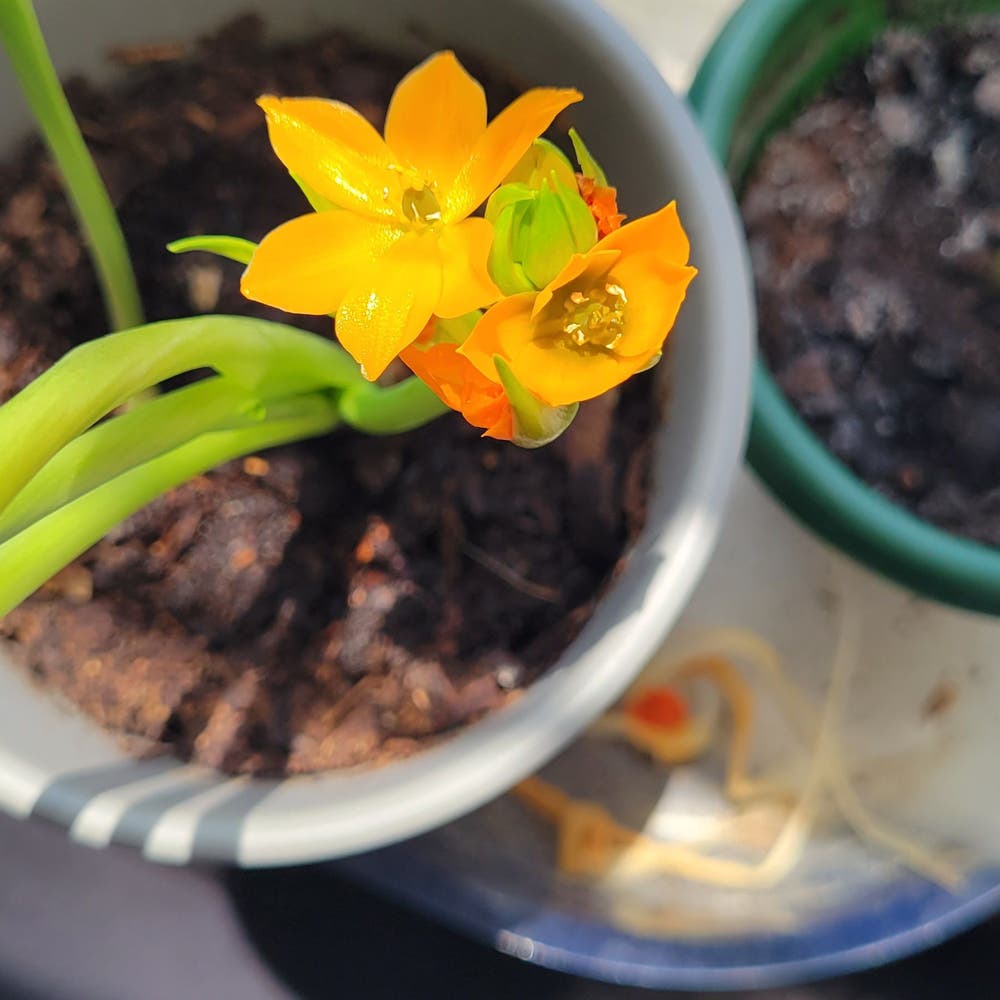
⭐ Ultimate Guide to Potting Orange Star Plant
Ornithogalum dubium
By the Greg Editorial Team
Oct 17, 2024•5 min read
This article was created with the help of AI so we can cover more plants for you. May contain errors. See one? Report it here.
Maximize your Orange Star Plant's health 🌱 by mastering pot selection and drainage for thriving growth!
- 🌱 Choose the right pot size: 4-6 inches for seedlings, 8-12 for mature plants.
- 💧 Ensure proper drainage: At least 3-5 holes prevent root rot and promote growth.
- 🔄 Repot every 1-2 years to maintain health and avoid root crowding.
Choosing the Right Pot
Importance of Pot Size 🌱
Choosing the right pot size is crucial for your Orange Star Plant's health. A container that's too small can restrict root development, while one that's too large may lead to overwatering.
Ideal Materials for Pots 🪴
Clay Pots
Clay pots are a popular choice due to their breathability. They help regulate moisture levels, but they can be heavy and prone to breaking.
Plastic Pots
Plastic pots are lightweight and durable, making them easy to handle. However, they retain moisture longer and can lead to root rot if drainage isn't adequate.
How Pot Choice Affects Health and Growth 🌿
The right pot enhances drainage and aeration, which are vital for a healthy root system. Conversely, a poor pot choice can result in root rot and stunted growth, leaving your plant struggling to thrive.
Choosing the right pot is more than just aesthetics; it’s about creating an environment where your Orange Star Plant can flourish. Next, let’s explore the ideal pot sizes for different growth stages.
Pot Sizes for Different Growth Stages
🌱 Recommended Sizes for Seedlings
When starting your orange star plant, choose a container that is 4-6 inches in diameter. This size is crucial for encouraging root establishment and ensuring your seedlings have the space they need to thrive.
Starting small helps the roots develop more effectively, allowing the plant to absorb nutrients and water without becoming overwhelmed. A snug fit promotes healthy growth, setting the stage for a robust plant.
🌳 Recommended Sizes for Mature Plants
As your orange star plant matures, it will need more room to grow. For mature plants, an ideal container size is 8-12 inches in diameter.
Larger varieties may require even more space, so always consider the specific needs of your plant. A well-sized pot allows for proper root expansion, which is essential for overall health and vitality.
Choosing the right pot size at each growth stage is vital for your plant's success. Next, let’s explore the importance of drainage considerations to keep your orange star plant flourishing.
Drainage Considerations
Importance of Drainage Holes 🌧️
Drainage holes are crucial for preventing water accumulation in your pot. Without them, excess moisture can lead to root rot, a common issue that can devastate your orange star plant.
Aim for at least 3-5 drainage holes at the bottom of your pot. This simple feature can make a world of difference in maintaining healthy roots.
How Drainage Affects Root Health 🌱
Proper drainage allows excess water to escape, which is vital for promoting healthy root growth. When water can’t escape, it can suffocate roots and create a breeding ground for fungal diseases.
Good drainage ensures that your plant's roots have the oxygen they need to thrive. Conversely, poor drainage can lead to stunted growth and a host of other problems.
Understanding the importance of drainage is key to successful potting. With the right setup, your orange star plant will flourish, setting the stage for vibrant growth and blooming.
Next, let’s explore when and how to repot your plant for optimal health.
Repotting Guidelines
When to Repot 🌱
Repotting is essential for maintaining a healthy Orange Star Plant. Look for signs like roots growing out of drainage holes, stunted growth, or yellowing leaves, which indicate it's time for a new pot.
Aim to repot every 1-2 years or whenever your plant outgrows its current container. This ensures it has enough space to thrive.
Signs Indicating the Need for Repotting 👀
Keep an eye out for visible root crowding or root binding. These signs suggest that the roots are cramped and need more room to grow.
Additionally, if the soil appears depleted of nutrients or becomes compacted, it's a clear indication that repotting is necessary. Fresh soil can rejuvenate your plant's health.
Step-by-Step Guide to Repotting 🛠️
Follow these steps for a smooth repotting experience:
- Choose a new pot that is 1-2 inches larger in diameter than the current one.
- Carefully remove the plant from its existing pot, taking care not to damage the roots.
- Inspect the roots for any damage and trim them if necessary to promote healthy growth.
- Place the plant in the new pot and fill it with fresh potting mix, ensuring the roots are well-covered.
- Water thoroughly to settle the soil and eliminate air pockets.
By following these guidelines, you can ensure your Orange Star Plant continues to flourish in its new home. Next, let’s explore common mistakes in potting to avoid any pitfalls in your plant care journey.
Common Mistakes in Potting
🏺 Overpotting vs. Underpotting
Choosing the right pot size is crucial for your Orange Star Plant's health. Overpotting—using a pot that's too large—can trap excess moisture, leading to root rot.
On the flip side, underpotting restricts root growth and nutrient uptake. A pot that's too small can stunt your plant's development, leaving it struggling to thrive.
🚰 Ignoring Drainage Needs
Drainage is a game-changer for plant health. Failing to ensure adequate drainage can result in water accumulation, which is a recipe for root rot.
Always check for drainage holes before potting. A good rule of thumb is to have at least three to five holes at the bottom of your pot to promote healthy root systems.
With these common mistakes in mind, you can set your Orange Star Plant up for success. Next, let’s explore the essential drainage considerations to keep your plant thriving.
⚠️ Safety First
This content is for general information and may contain errors, omissions, or outdated details. It is not medical, veterinary advice, or an endorsement of therapeutic claims.
Always consult a qualified healthcare professional before using any plant as food, medicine, or supplement.
Never eat any plant (or feed one to pets) without confirming its identity with at least two trusted sources.
If you suspect poisoning, call Poison Control (800) 222-1222, the Pet Poison Helpline (800) 213-6680, or your local emergency service immediately.
Spotted an error? Please report it here.
Potting your Orange Star Plant correctly is essential for its thriving growth 🌟, and with Greg's tailored potting reminders and expert tips, you'll create the perfect environment for your plant to flourish!