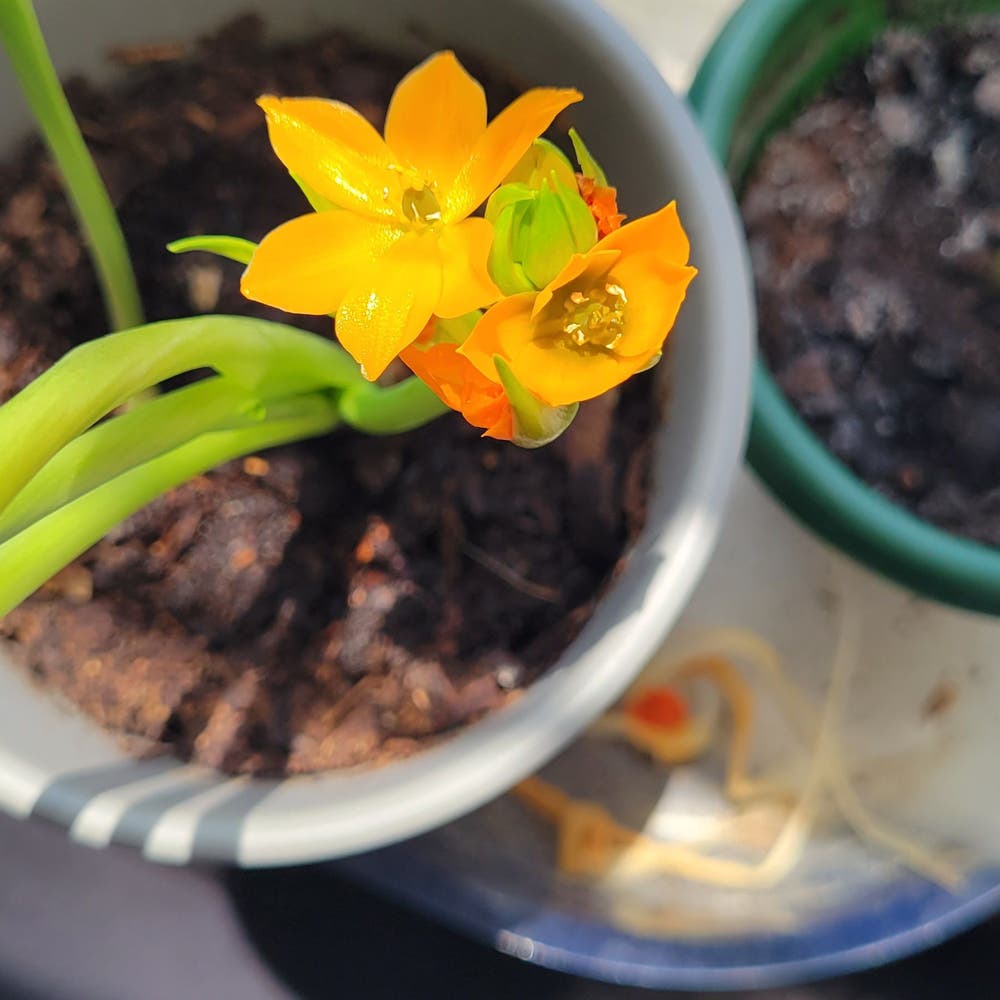
3 Steps to a Healthy Outdoor Orange Star Plant 🍊
Ornithogalum dubium
By the Greg Editorial Team
Oct 17, 2024•7 min read
This article was created with the help of AI so we can cover more plants for you. May contain errors. See one? Report it here.
Transform your Orange Star Plant 🌟 into a vibrant beauty with expert tips on sunlight, watering, and care!
- ☀️ Orange Star needs 6-8 hours of full sun for optimal growth and health.
- 💧 Water when the top inch of soil is dry; deep watering promotes strong roots.
- 🌱 Use well-draining soil and mulch to prevent root rot and retain moisture.
Sunlight Requirements
Ideal Sunlight Exposure 🌞
To thrive, the Orange Star Plant needs full sun, which means it should bask in at least 6-8 hours of direct sunlight each day. However, in extremely hot climates, it can tolerate partial shade, allowing it some relief from the intense heat.
Effects of Insufficient Light 🌑
When the Orange Star doesn't get enough sunlight, it can suffer from stunted growth. This results in weak stems and fewer flowers, diminishing its vibrant display.
Additionally, you might notice leaf discoloration, particularly yellowing leaves, which is a telltale sign that your plant is not receiving adequate light.
Understanding these sunlight requirements is crucial for keeping your Orange Star healthy and flourishing. Next, let’s dive into its watering needs and techniques to ensure it gets the hydration it craves.
Watering Needs and Techniques
Watering Frequency 🌊
To keep your Orange Star Plant thriving, water it when the top inch of soil feels dry. During hot summer months, you may need to increase watering frequency, while cooler seasons allow for less.
Watering Techniques 💧
Deep watering is crucial; aim for water to penetrate at least 6-8 inches deep. This encourages robust root growth and helps your plant flourish.
Avoiding Waterlogging 🚫
Ensure you use well-draining soil to prevent root rot. This is essential for maintaining a healthy plant.
Signs of Overwatering or Underwatering ⚠️
Watch for signs of overwatering, such as yellowing leaves, wilting, and root rot. Conversely, underwatering manifests as drooping leaves and dry, crispy edges.
Understanding these watering needs and techniques will set your Orange Star Plant on the path to health. Next, let’s explore the ideal soil preferences and amendments to further enhance your plant's growth.
Soil Preferences and Amendments
Ideal Soil Type 🌱
For your Orange Star Plant to thrive, well-draining soil is a must. Sandy or loamy soil works best, as it prevents root rot and promotes healthy growth.
The soil pH should be slightly acidic to neutral, ideally between 6.0 and 7.0. This range ensures that your plant can absorb nutrients effectively.
Soil Amendments 🛠️
Incorporating organic matter, like compost, can significantly enhance soil structure and nutrient content. This addition not only feeds your plant but also improves moisture retention.
To further boost drainage, consider adding perlite or sand. These amendments help create an airy environment that encourages robust root development.
With the right soil conditions, your Orange Star Plant will flourish, setting the stage for vibrant blooms and healthy growth. Next, let’s explore the fertilization schedule and types to keep your plant nourished.
Fertilization Schedule and Types
Fertilization Frequency 🌱
To keep your Orange Star Plant thriving, fertilize it monthly during the growing season, which spans spring and summer. As the seasons change, reduce or halt fertilization in fall and winter to give your plant a well-deserved break.
Types of Fertilizers 🧪
Opt for a balanced NPK fertilizer, like a 10-10-10 ratio, to provide essential nutrients. Slow-release fertilizers are also a great choice, ensuring a steady supply of nutrients over time, which is perfect for maintaining plant health.
With the right fertilization schedule and types, your Orange Star Plant will flourish beautifully. Next, let’s explore the best planting options to maximize its growth potential.
Planting Options
🌱 Benefits of Container Planting
Container planting offers remarkable mobility. You can easily shift your Orange Star Plant to capture optimal sunlight or shield it from harsh weather.
Another advantage is the control over soil quality. You can select specific soil mixes that cater to your plant's unique needs, ensuring it thrives.
⚠️ Drawbacks of Container Planting
However, container planting has its downsides. The limited root space can restrict growth and flowering potential, which might hinder your plant's overall health.
Additionally, containers tend to dry out faster than ground soil, leading to an increased watering frequency. This can be a hassle, especially during hot spells.
🌳 Benefits of Planting in the Ground
On the flip side, planting in the ground provides more space for root development. This encourages larger, healthier plants that can flourish over time.
Ground soil also offers better moisture retention. It generally holds water more effectively than containers, reducing the need for constant watering.
🐛 Drawbacks of Planting in the Ground
Yet, planting in the ground isn’t without challenges. You have less control over soil quality, which may require amendments based on existing conditions.
Moreover, ground-planted Orange Star Plants can be more vulnerable to pests and diseases. This exposure can pose risks that container plants might avoid.
In summary, both planting options have their pros and cons. Choosing the right method depends on your gardening goals and environmental conditions. Next, let’s explore how to protect your plants from extreme weather and adjust care throughout the seasons.
Weather Protection and Seasonal Care
Strategies for Protecting Against Extreme Weather 🌪️
Mulching is a simple yet effective way to protect your Orange Star Plant. A layer of mulch helps retain soil moisture and regulates temperature, creating a more stable environment for your plant.
In addition, consider using temporary covers like frost cloths or shade cloths during extreme weather conditions. These can shield your plants from harsh elements, ensuring they thrive throughout the seasons.
Seasonal Care Adjustments for Weather Changes 🌦️
Spring is the time to gradually acclimate your plants to outdoor conditions. This helps them adjust to the increasing sunlight and temperature.
During summer, ensure your plants receive adequate watering and shade, especially during heatwaves. This will keep them hydrated and prevent stress.
As fall approaches, prepare for colder temperatures by applying mulch and covering your plants. This extra layer of protection can make a significant difference as the weather cools.
In winter, consider bringing container plants indoors if frost is expected. For ground-planted specimens, covering them during extreme cold can help safeguard against frost damage.
By implementing these strategies, you can ensure your Orange Star Plant remains healthy and vibrant through all seasons. Next, let’s explore how to effectively manage pests and diseases that may threaten your plant’s well-being.
Pest and Disease Management
Common Outdoor Pests 🐜
Outdoor Orange Star Plants can attract a few pesky visitors.
- Aphids: These tiny insects can cause curled leaves and leave a sticky residue behind.
- Spider Mites: Look for fine webbing and stippled leaves, which indicate their presence.
Signs of Disease and How to Treat Them 🦠
Keeping an eye on your plants is crucial for early detection of diseases.
- Root Rot: Symptoms include wilting and yellowing leaves. To treat, improve drainage and reduce watering.
- Fungal Infections: Look for spots on leaves. If you spot them, using fungicides can help manage the issue.
Preventative Measures for Pest Control 🚫
Prevention is always better than cure when it comes to pests.
- Regular Inspections: Check your plants weekly for any signs of pests. Early detection can save your plants.
- Companion Planting: Consider using plants that naturally deter pests. This method can create a healthier garden ecosystem.
By staying vigilant and proactive, you can keep your Orange Star Plants thriving. Next, let’s explore how climate zones affect their growth and care.
Climate Zone Considerations
Best Climate Zones for Growing 🌍
The Orange Star Plant thrives in USDA zones 9-11. In cooler zones, it can be grown as an annual, allowing you to enjoy its vibrant blooms even in less-than-ideal climates.
Adjusting Care Based on Climate Zone 🌡️
In warmer zones, consistent watering and vigilant pest management are key. Conversely, in cooler zones, focus on frost protection and consider container gardening to provide extra warmth.
Special Considerations for Different Regions 🗺️
For tropical regions, ensure adequate drainage and keep a close eye on pests. In temperate regions, plan for seasonal transitions and be prepared for potential frost, which can impact your plant's health.
Understanding your climate zone is essential for nurturing a healthy Orange Star Plant. With the right care tailored to your environment, you can enjoy its beauty year-round.
Next, let’s explore effective pest and disease management strategies to keep your plant thriving.
⚠️ Safety First
This content is for general information and may contain errors, omissions, or outdated details. It is not medical, veterinary advice, or an endorsement of therapeutic claims.
Always consult a qualified healthcare professional before using any plant as food, medicine, or supplement.
Never eat any plant (or feed one to pets) without confirming its identity with at least two trusted sources.
If you suspect poisoning, call Poison Control (800) 222-1222, the Pet Poison Helpline (800) 213-6680, or your local emergency service immediately.
Spotted an error? Please report it here.
Keep your Orange Star Plant thriving 🌞 with Greg's tailored watering reminders and expert tips to ensure it gets the sunlight and care it craves!