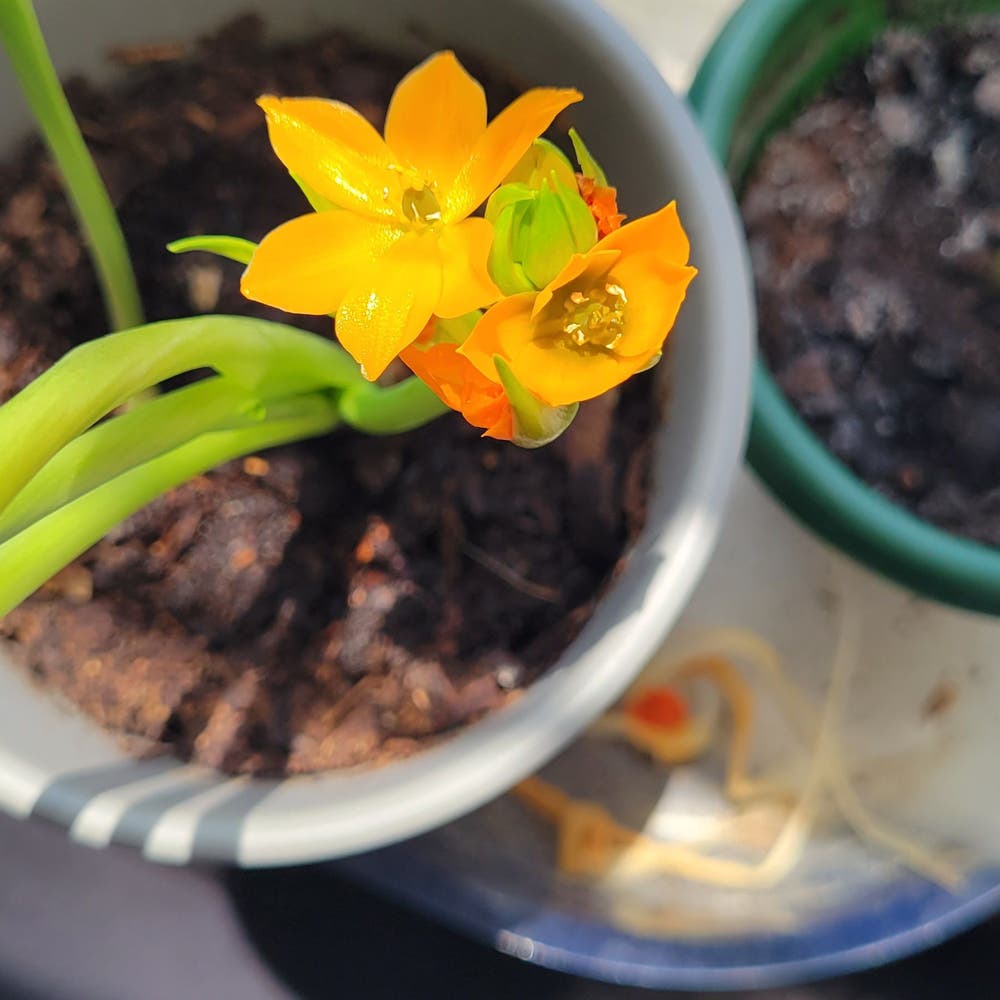
☀️ Ultimate Guide to Temperature for Orange Star Plant
Ornithogalum dubium
By the Greg Editorial Team
Oct 17, 2024•5 min read
This article was created with the help of AI so we can cover more plants for you. May contain errors. See one? Report it here.
Unlock the secret to a thriving orange star plant 🌱 by mastering temperature management for year-round vitality!
- 🌡️ Heat stress causes leaf curling and flower drop; monitor temperatures closely.
- ❄️ Cold stress leads to wilting and frost damage; protect plants from drafts.
- 🌱 Adjust care routines seasonally to ensure optimal growth and health for orange star plants.
Temperature Stress Symptoms
Signs of Heat Stress 🌡️
Heat stress can be a real challenge for your orange star plant. One of the first signs is leaf curling, where leaves may curl inward or become crispy, indicating they’re struggling to cope with the heat.
You might also notice color changes; the edges of the leaves may fade or turn brown. Additionally, flower drop can occur, with blooms prematurely falling off due to excessive heat.
Signs of Cold Stress ❄️
Cold stress presents its own set of symptoms. Wilting is a common sign, where leaves droop or become limp, signaling that the plant is not getting the warmth it needs.
Another indicator is leaf discoloration; leaves may yellow or darken, reflecting their distress. If you see frost damage, characterized by blackened or mushy areas on leaves after exposure to frost, it’s a clear sign that the plant has suffered from cold temperatures.
Visual Indicators of Temperature-Related Issues 🔍
Beyond specific symptoms, there are general visual indicators of temperature-related issues. A stunted growth pattern and poor flowering can signal that your plant is not thriving.
You may also notice changes in leaf texture, such as softness or brittleness, which can indicate stress. Lastly, a lack of overall plant vigor—evident in its vitality and resilience—can be a strong indicator that temperature conditions are not ideal.
Understanding these symptoms is crucial for maintaining the health of your orange star plant. By recognizing the signs of temperature stress, you can take proactive steps to ensure your plant thrives in its environment.
Next, let’s explore the causes of temperature stress and how to mitigate its effects.
Causes of Temperature Stress
🌡️ Environmental Factors
Temperature stress in orange star plants often stems from environmental factors. Prolonged exposure to extreme heat can lead to dehydration and, ultimately, plant death.
Cold drafts can also be detrimental. Sudden drops in temperature from open windows or doors can shock the plant, causing stress.
Poor insulation is another culprit. Inadequate heating or cooling in indoor environments can create an unstable climate for your plants.
⚡ Impact of Sudden Temperature Changes
Sudden temperature changes can trigger a shock response in orange star plants. This shock can lead to visible stress symptoms, affecting overall health.
Recovery from these shifts isn't instantaneous. Plants may take weeks to bounce back from sudden temperature fluctuations.
⏳ Effects of Prolonged Exposure
Continuous exposure to unsuitable temperatures can inflict long-term damage. Over time, this can weaken the plant, making it more vulnerable to pests and diseases.
A weakened plant defense system can lead to a host of problems. Increased susceptibility to pests and diseases can further compromise the plant's health and vitality.
Understanding these causes of temperature stress is crucial for maintaining the health of your orange star plants. By being proactive, you can create a more stable environment that supports their growth and resilience.
Next, we’ll explore seasonal temperature considerations to help you adapt your care routine effectively.
Seasonal Temperature Considerations
🌡️ Temperature Variations Throughout the Year
Understanding how temperatures fluctuate with the seasons is crucial for the health of your Orange Star plant. Seasonal changes can significantly impact growth patterns, so keeping an eye on temperature shifts is essential.
Monitoring these changes allows you to adjust your care routines accordingly. For instance, as temperatures rise in summer, your plant may require more attention to prevent heat stress.
❄️ Preparing for Seasonal Changes
As winter approaches, it's time to prepare your plants for the cold. Moving them indoors before frost hits is a smart move to protect them from chilling temperatures.
During the summer, providing shade is key. This simple action can prevent overheating and keep your Orange Star thriving in extreme heat.
🔄 Adjusting Care Based on Seasonal Temperature Shifts
Watering needs will vary with the seasons. Increase watering during hot months to keep your plant hydrated, and reduce it in cooler months to avoid overwatering.
Fertilization schedules should also adapt to temperature changes. Modify feeding based on growth patterns, ensuring your plant gets the nutrients it needs when it’s most active.
By staying attuned to seasonal temperature shifts, you can foster a healthier, more resilient Orange Star plant. This proactive approach not only enhances growth but also prepares your plant for whatever nature throws its way.
Geographic Considerations
🌍 Best Regions for Growing
The Orange Star Plant thrives best in tropical and subtropical regions where warmth is consistent. These areas provide the ideal environment for robust growth and vibrant blooms.
In contrast, colder climates pose significant challenges. Frost and low temperatures can stunt growth and even lead to plant death, making it crucial to choose the right location.
🌡️ Temperature Adaptations for Different Climates
Different varieties of the Orange Star Plant exhibit varying tolerances to temperature. Some can handle slightly cooler or warmer conditions, allowing for a broader range of cultivation.
To succeed in less-than-ideal climates, consider using microclimates or greenhouses. These strategies can create a more favorable environment, helping your plants flourish despite external challenges.
❄️ Local Temperature Extremes and Their Effects
Understanding your local climate is essential for successful cultivation. Researching average temperatures and extremes in your area can guide your care routines.
Local weather patterns also play a significant role. Fluctuations in temperature can impact the health of your Orange Star Plant, so staying informed is key to maintaining its vitality.
As you navigate these geographic considerations, remember that with the right knowledge and strategies, you can cultivate a thriving Orange Star Plant, no matter where you are. Next, we’ll explore seasonal temperature considerations to further enhance your plant care routine.
⚠️ Safety First
This content is for general information and may contain errors, omissions, or outdated details. It is not medical, veterinary advice, or an endorsement of therapeutic claims.
Always consult a qualified healthcare professional before using any plant as food, medicine, or supplement.
Never eat any plant (or feed one to pets) without confirming its identity with at least two trusted sources.
If you suspect poisoning, call Poison Control (800) 222-1222, the Pet Poison Helpline (800) 213-6680, or your local emergency service immediately.
Spotted an error? Please report it here.
Keep your orange star plant thriving through temperature shifts 🌡️ with Greg's personalized care reminders that ensure you adapt your watering and fertilization just when it matters most!