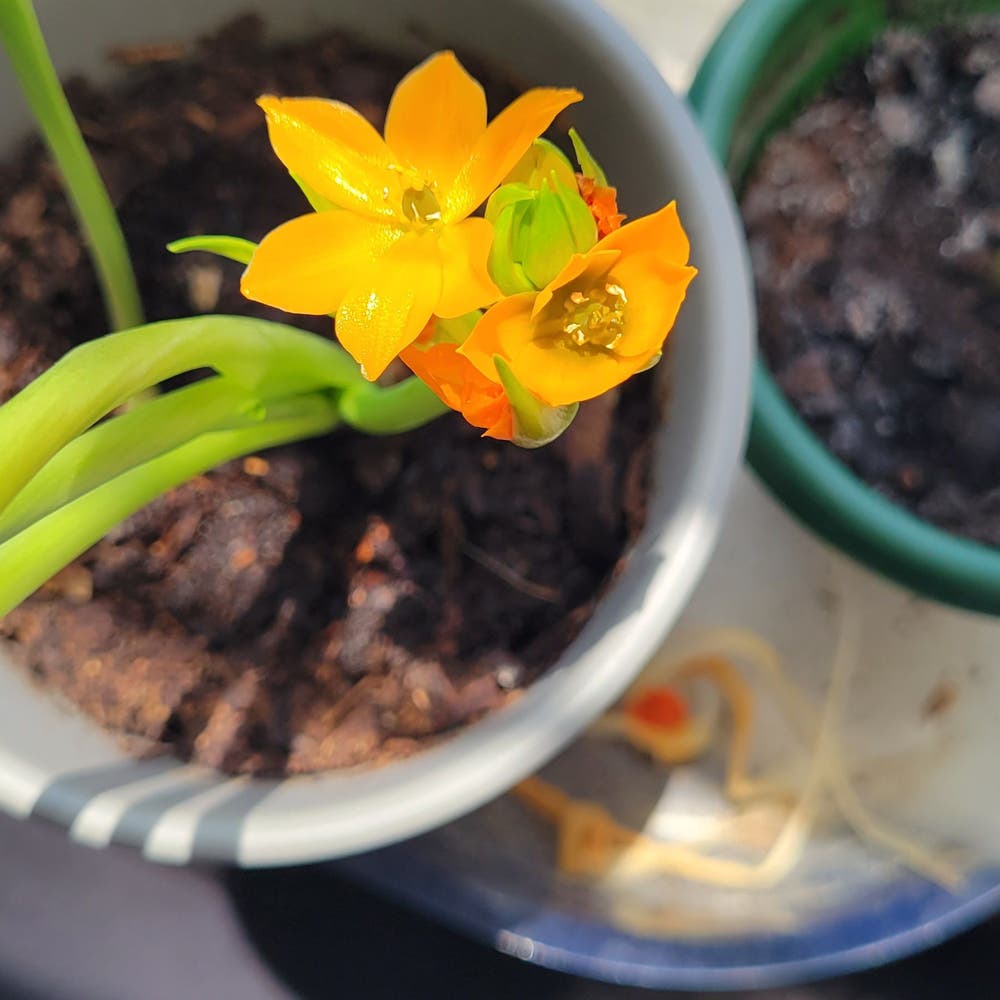
⭐ 3 Perfect Plant Partners for Orange Star Plant
Ornithogalum dubium
By the Greg Editorial Team
Oct 17, 2024•5 min read
This article was created with the help of AI so we can cover more plants for you. May contain errors. See one? Report it here.
Elevate your garden's beauty and health 🌼 with the magic of companion planting for vibrant blooms and pest control!
- 🌼 Marigolds repel pests and share care needs with the Orange Star Plant.
- 🌿 Basil attracts beneficial insects while deterring flies and mosquitoes.
- 🎨 Nasturtiums add color and attract pollinators, enhancing garden biodiversity.
Best Companion Plants
Plant 1: Marigold 🌼
Marigolds are a gardener's delight, boasting bright, cheerful flowers that beautifully complement the vibrant blooms of the Orange Star Plant. Their sunny disposition not only uplifts the garden but also brings a host of benefits.
These flowers thrive in warm, humid environments, making them perfect companions for your Orange Star. Their care needs align seamlessly, ensuring both plants flourish together.
One of the standout features of marigolds is their pest-repelling properties. They naturally deter aphids and nematodes, protecting your garden from unwanted visitors.
Visually, marigolds enhance the overall aesthetic with their contrasting colors. The vibrant yellows and oranges create a stunning backdrop for the Orange Star's unique hues.
Plant 2: Basil 🌿
Basil is more than just a culinary staple; it's an aromatic herb that adds flavor and attracts beneficial insects to your garden. Its fragrant leaves not only elevate your dishes but also create a lively atmosphere.
Like marigolds, basil prefers well-draining soil and moderate watering. This makes it an excellent match for the Orange Star Plant, ensuring both thrive in similar conditions.
In addition to its culinary uses, basil serves as a natural pest repellent. It effectively keeps flies and mosquitoes at bay, contributing to a healthier garden environment.
Visually, basil's lush green foliage provides a beautiful backdrop. Its rich color complements the Orange Star, creating a harmonious garden space.
Plant 3: Nasturtium 🌸
Nasturtiums are a vibrant addition to any garden, featuring edible flowers that attract pollinators while adding a splash of color. Their unique blooms not only enhance visual appeal but also offer culinary delights.
These plants thrive in similar conditions as the Orange Star, making them easy companions. They enjoy warm weather and well-draining soil, ensuring a flourishing partnership.
Nasturtiums also play a crucial role in pest management. They act as a trap crop for aphids, drawing these pests away from your more vulnerable plants.
Visually, the brightly colored flowers of nasturtiums create a striking contrast against the Orange Star. Their vivid hues can brighten up any garden space, making it a feast for the eyes.
With these three perfect plant partners—marigold, basil, and nasturtium—you can create a thriving, beautiful garden that not only looks good but also works in harmony. Next, let's explore which plants to avoid to keep your garden healthy and vibrant.
Plants to Avoid
When planning your garden, it's crucial to know which plants to steer clear of. Some plants can hinder the growth of your Orange Star Plant, leading to a less vibrant garden.
🚫 Incompatible Companions
Fennel: This herb can be particularly problematic. It releases compounds that inhibit the growth of nearby plants.
Certain Types of Mint: While mint is delightful in the kitchen, its aggressive growth can overshadow your Orange Star Plant.
Other Aggressive Growers: Plants like bamboo or certain types of grasses can compete fiercely for resources.
⚠️ Reasons for Incompatibility
The primary issues with these plants revolve around competition. They vie for nutrients and water, which can stunt the growth of your Orange Star Plant.
Additionally, some of these plants can attract pests that may harm your garden. For instance, aggressive growers can create a habitat for unwanted insects, leading to potential infestations.
Understanding which plants to avoid can help you cultivate a thriving garden. By selecting compatible companions, you can ensure your Orange Star Plant flourishes alongside its friends.
Next, let's explore how companion plants can assist in pest management, creating a healthier garden ecosystem.
Pest Management Strategies
Companion plants play a crucial role in pest management, acting as natural deterrents that can significantly reduce the need for chemical pesticides. By strategically selecting plants that repel unwanted insects, gardeners can create a healthier ecosystem.
🌿 Natural Deterrents
Many companion plants emit scents or produce compounds that repel pests. For instance, marigolds are well-known for their ability to deter aphids and nematodes, while basil can keep flies and mosquitoes at bay. This natural approach not only protects your orange star plant but also promotes biodiversity in your garden.
🐞 Pests That Can Be Deterred
Here are some common pests that companion plants can help manage:
Aphids: These tiny pests can wreak havoc on your plants. Companion plants like nasturtium can act as a trap crop, drawing aphids away from more valuable plants.
Whiteflies: Basil's aromatic properties can deter these pesky insects, keeping your garden thriving.
Spider Mites: Marigolds can help reduce spider mite populations, ensuring your plants remain healthy and vibrant.
By incorporating these companion plants, you not only enhance the health of your garden but also create a more sustainable environment. This approach fosters a thriving ecosystem that benefits all your plants.
As you consider your garden layout, remember that the right companions can make a world of difference in pest management. Next, let’s explore how these plants can enhance the visual appeal of your garden.
Visual Appeal and Aesthetic Considerations
Companion plants do more than just coexist; they create a stunning visual tapestry in your garden. By incorporating plants with varying heights and colors, you can achieve layers and textures that draw the eye and enhance the overall aesthetic.
🌿 Creating Layers and Textures
Layering plants adds depth to your garden. Taller plants can serve as a backdrop, while shorter ones fill in the foreground, creating a dynamic visual experience.
⚖️ Grouping for Balance
For a harmonious look, group plants of similar heights together. This technique not only provides balance but also allows each plant to shine without competing for attention.
🎨 Contrasting Colors
Using contrasting colors can highlight unique features of each plant. For instance, pairing the vibrant orange of the Orange Star Plant with the deep green of basil creates a striking visual contrast that energizes the space.
📝 Final Thoughts
By thoughtfully arranging your companion plants, you can transform your garden into a vibrant, inviting space. This not only enhances its beauty but also fosters a thriving ecosystem, setting the stage for the next topic on pest management strategies.
⚠️ Safety First
This content is for general information and may contain errors, omissions, or outdated details. It is not medical, veterinary advice, or an endorsement of therapeutic claims.
Always consult a qualified healthcare professional before using any plant as food, medicine, or supplement.
Never eat any plant (or feed one to pets) without confirming its identity with at least two trusted sources.
If you suspect poisoning, call Poison Control (800) 222-1222, the Pet Poison Helpline (800) 213-6680, or your local emergency service immediately.
Spotted an error? Please report it here.
Enhance your Orange Star Plant's growth with perfect companions like marigolds, basil, and nasturtiums, and let Greg provide you with tailored care tips 🌱 to create a thriving garden ecosystem!