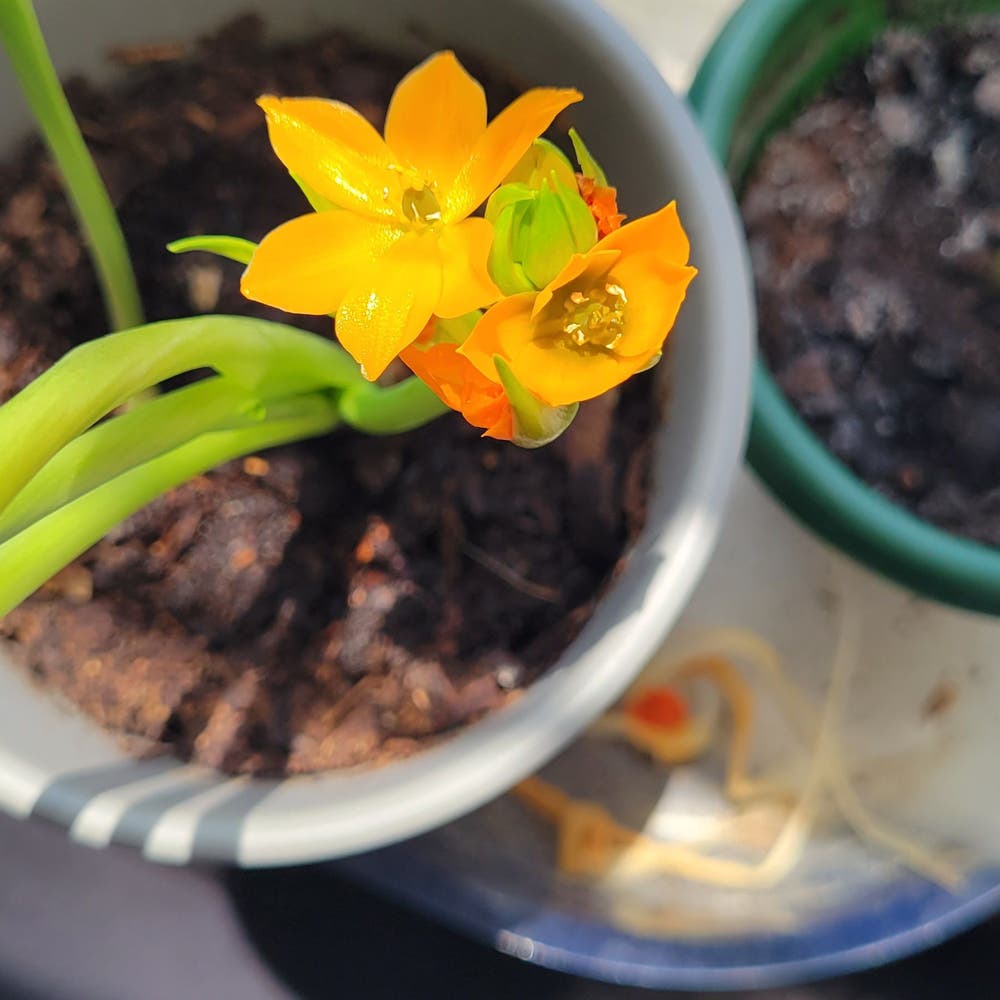
🌟 3 Essential Steps to Grow Healthy Orange Star Plant
Ornithogalum dubium
By the Greg Editorial Team
Oct 17, 2024•5 min read
This article was created with the help of AI so we can cover more plants for you. May contain errors. See one? Report it here.
Cultivate stunning Orange Star Plants 🌼 with essential care tips for vibrant growth and lasting beauty!
- 🌞 Optimal sunlight is crucial; place your Orange Star in 6-8 hours of light.
- 🌡️ Maintain temperatures above 15°C (59°F) for healthy growth and development.
- 🌱 Use well-draining soil with a pH of 6.0-7.0 for best results.
Site Selection and Soil Preparation
Choosing the Right Location 🌞
To grow a healthy Orange Star Plant, start by selecting the right location. These plants thrive in full to partial sunlight, requiring about 6 to 8 hours of light daily.
Temperature is also crucial; they prefer conditions above 15°C (59°F). Ensure your chosen spot can maintain this warmth for optimal growth.
Soil Type and pH Requirements 🌱
Next, focus on soil quality. The ideal soil for Orange Star Plants is well-draining, sandy, or loamy.
Aim for a pH level that is slightly acidic to neutral, ideally between 6.0 and 7.0. This balance promotes healthy root development and overall plant vitality.
Soil Preparation Techniques 🛠️
Now, let’s prepare the soil. To enhance drainage, incorporate amendments like perlite or sand into your soil mix.
If you're planting in pots, ensure they have drainage holes. For ground planting, consider raised beds to prevent waterlogging and promote healthy root systems.
Planting Techniques
Step-by-Step Planting Instructions 🌱
Planting your Orange Star Plant is straightforward and rewarding. Start by preparing your planting site or container with well-draining soil.
Next, dig a hole that’s twice the width of the root ball. This gives the roots plenty of room to spread out.
Place the plant in the hole, making sure the crown is level with the soil surface. This positioning is crucial for healthy growth.
Fill in the hole with soil and gently firm it around the base. This helps eliminate air pockets and supports the plant.
Spacing and Depth Considerations 📏
When planting outdoors, space your Orange Star Plants 12-18 inches apart. This allows for adequate air circulation and growth.
Ensure you plant at the same depth as it was in the nursery pot. This consistency helps the plant acclimate better.
Container vs. Ground Planting 🪴
Container growing offers flexibility, allowing you to move your plants as needed. It also gives you more control over soil conditions.
On the other hand, outdoor planting is ideal for permanent garden settings. Choose this option if your climate is suitable for long-term growth.
With these planting techniques in hand, you're well on your way to nurturing a thriving Orange Star Plant. Next, let’s explore how to care for your plant through proper watering and fertilizing.
Watering and Fertilizing
💧 Watering Frequency and Techniques
To keep your Orange Star Plant thriving, establish a consistent watering schedule. Allow the soil to dry out between waterings, typically every 1-2 weeks, to prevent root rot.
Water deeply to encourage robust root growth. Avoid overhead watering, as this can lead to fungal issues and doesn't effectively reach the roots.
🌱 Best Fertilizers
For optimal growth, use balanced, water-soluble fertilizers with an NPK ratio of 10-10-10. This ensures your plant receives the essential nutrients it needs.
Fertilize every 4-6 weeks during the growing season to support healthy development. Regular feeding can make a noticeable difference in your plant's vigor.
⚠️ Signs of Overwatering or Underwatering
Be vigilant about your plant's health by watching for signs of overwatering. Yellowing leaves and mushy stems are clear indicators that you might be giving it too much water.
On the flip side, underwatering can lead to wilting and shriveled leaves. Adjust your watering habits based on these symptoms to keep your Orange Star Plant in top shape.
With proper watering and fertilizing, your plant will flourish, setting the stage for effective pruning and maintenance.
Pruning and Maintenance
When and How to Prune 🌿
Pruning your Orange Star Plant is essential for its health and appearance. Aim to prune in late winter or early spring, just before new growth begins.
Remove any dead or damaged leaves to promote better airflow and aesthetics. Shaping the plant not only enhances its look but also encourages robust growth.
Ongoing Care Routine 🔍
Regular inspections are crucial for catching pests and diseases early. Keep an eye out for any unusual signs and adjust your watering and fertilizing based on the changing seasons.
This proactive approach will help maintain a vibrant and healthy plant.
Seasonal Care Considerations ❄️
In winter, it's vital to bring container plants indoors to protect them from frost. This simple step can save your plant from cold damage.
During the summer months, increase your watering frequency to keep your Orange Star Plant thriving in the heat. Staying attentive to these seasonal needs will ensure your plant remains healthy year-round.
With proper pruning and maintenance, your Orange Star Plant will flourish, setting the stage for the next steps in its care.
Common Challenges and Solutions
🐛 Identifying and Managing Pests
Pests can be a real headache for your Orange Star Plant. Two common culprits are aphids and spider mites.
Common Pests
- Aphids: These tiny insects can cause curled leaves and leave a sticky residue behind.
- Spider Mites: Look for fine webbing and stippled leaves, which indicate their presence.
Control Methods
Managing these pests doesn't have to be daunting. Natural remedies like neem oil and insecticidal soap can effectively keep them at bay.
Encouraging beneficial insects, such as ladybugs and lacewings, can also help maintain a healthy balance in your garden.
🦠 Recognizing and Treating Diseases
Diseases can sneak up on your plants, but knowing the signs can help you act quickly. Two common diseases to watch for are root rot and leaf spot.
Common Diseases
- Root Rot: Symptoms include wilting and yellowing leaves, often due to overwatering.
- Leaf Spot: Look for brown or black spots on leaves, which can indicate fungal issues.
Treatment Strategies
Prevention is key. Ensure proper drainage and avoid overwatering to keep root rot at bay.
If you do spot disease, remove affected leaves promptly and consider using fungicides if necessary.
🌍 Tips for Overcoming Environmental Challenges
Environmental factors can also pose challenges. Temperature fluctuations can stress your plants, but there are ways to mitigate this.
- Temperature Fluctuations: Use mulch to help regulate soil temperature.
- Frost Protection: Cover your plants or bring container plants indoors during cold snaps to protect them from frost.
By staying vigilant and proactive, you can keep your Orange Star Plant thriving through various challenges. Now, let’s explore how to maintain your plant with effective pruning and ongoing care.
⚠️ Safety First
This content is for general information and may contain errors, omissions, or outdated details. It is not medical, veterinary advice, or an endorsement of therapeutic claims.
Always consult a qualified healthcare professional before using any plant as food, medicine, or supplement.
Never eat any plant (or feed one to pets) without confirming its identity with at least two trusted sources.
If you suspect poisoning, call Poison Control (800) 222-1222, the Pet Poison Helpline (800) 213-6680, or your local emergency service immediately.
Spotted an error? Please report it here.
Grow your Orange Star Plant like a pro 🌟 by using Greg's tailored care reminders and expert tips to ensure it thrives in the perfect spot with optimal soil and watering!