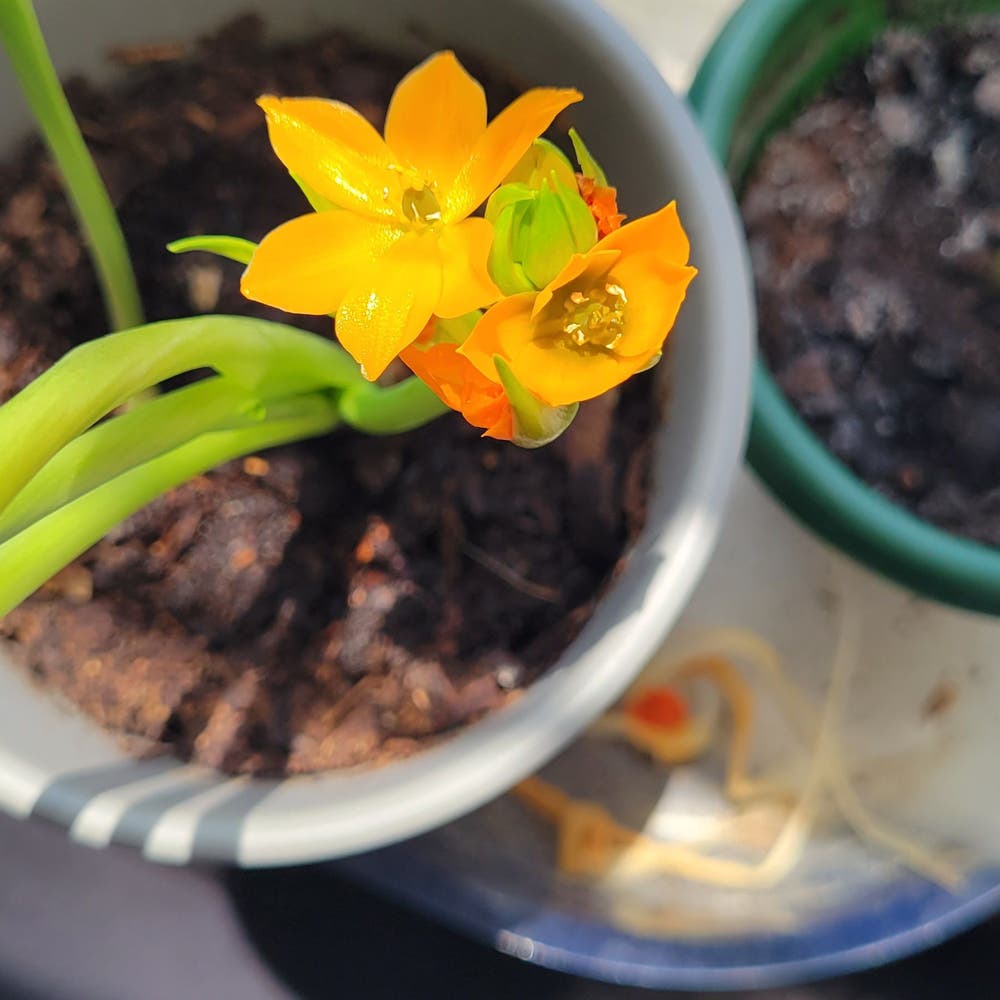
⭐ Your Orange Star Plant's Light Requirements
Ornithogalum dubium
By the Greg Editorial Team
Oct 17, 2024•4 min read
This article was created with the help of AI so we can cover more plants for you. May contain errors. See one? Report it here.
Master your Orange Star Plant's light needs 🌞 for stunning blooms and vibrant growth all year round! 🌼
- 🌞 Orange Star Plants need 6-8 hours of bright, indirect light daily for optimal growth.
- 🪴 East or west-facing windows provide ideal light exposure for your plant.
- 💡 Insufficient light causes leggy growth and yellow leaves; adjust light conditions promptly.
Indoor Light Conditions
Optimal Indoor Lighting 🌞
To keep your Orange Star Plant thriving, aim for bright, indirect light for about 6-8 hours daily. Placing it near east or west-facing windows will help maximize its light exposure, ensuring it gets the energy it needs to flourish.
Low Light Tolerance 🌑
While the Orange Star Plant can tolerate low light, it’s not ideal for its growth. In such conditions, you may notice slower growth rates and a reduced potential for flowering, which can be disappointing if you're hoping for those vibrant blooms.
Understanding these light requirements is crucial for your plant's health. With the right conditions, your Orange Star Plant can truly shine, leading to a more rewarding gardening experience.
Outdoor Light Conditions
🌞 Optimal Outdoor Lighting
For your Orange Star Plant, the ideal sunlight exposure ranges from partial shade to full sun, depending on your climate. Positioning the plant under dappled sunlight or in areas with filtered light can help it thrive.
🍂 Seasonal Considerations
As the seasons change, so should your plant's light exposure. In spring and summer, it craves more light, while in fall and winter, it benefits from a bit of shade to prevent stress and maintain health.
By understanding these outdoor light conditions, you can ensure your Orange Star Plant flourishes beautifully throughout the year. Next, let’s explore how light plays a crucial role in its flowering cycle.
Role of Light in Flowering
Optimal light conditions are crucial for your Orange Star Plant to bloom beautifully. When the plant receives the right amount of light, it can produce vibrant, star-shaped flowers that are a delight to behold.
🌼 The Blooming Cycle
Under ideal light conditions, the blooming cycle of the Orange Star Plant can be quite impressive. Typically, these plants thrive when exposed to bright, indirect light for 6-8 hours daily, leading to more prolific flowering.
⭐ Star-Shaped Flowers
The star-shaped flowers are not just visually appealing; they also signify a healthy plant. When your Orange Star Plant is well-lit, expect a stunning display of blooms that can brighten any space.
In summary, providing the right light is essential for encouraging your plant to flourish and flower. Next, let’s explore how to effectively use grow lights to support your Orange Star Plant’s growth, especially during those darker months.
Use of Grow Lights
🌟 Benefits of Grow Lights
Grow lights can be a game changer for your Orange Star Plant, especially during winter months or in low-light indoor environments. They provide the essential light your plant craves when natural sunlight is scarce.
When choosing grow lights, consider LED and fluorescent options. LEDs are energy-efficient and long-lasting, while fluorescents are typically more affordable but may require more frequent replacement.
🕒 Placement and Duration
For optimal results, place your grow lights 12-24 inches away from your plant. The exact distance will depend on the type of light you choose.
Aim for a light duration of 12-14 hours daily. This mimics natural sunlight and promotes healthy growth, ensuring your Orange Star Plant thrives even in less-than-ideal conditions.
With the right grow lights, your plant can flourish year-round, bringing vibrant color and life to your space. Next, let’s explore common issues related to light exposure.
Common Issues Related to Light
🌑 Signs of Insufficient Light
When your Orange Star Plant isn't getting enough light, it will show some telltale signs. Look out for leggy growth, yellowing leaves, and a noticeable lack of flowering.
To remedy low light conditions, consider relocating your plant to a brighter spot. Alternatively, supplementing with grow lights can provide the necessary boost.
☀️ Signs of Excessive Light
On the flip side, too much light can be just as detrimental. Symptoms of excessive light include scorched leaf tips, browning edges, and faded leaf color.
If you notice these signs, try moving your plant to a shadier location. Using sheer curtains can also help diffuse harsh sunlight and protect your plant from damage.
Understanding these light-related issues will help you keep your Orange Star Plant thriving. With the right adjustments, you can ensure it flourishes beautifully in your home.
⚠️ Safety First
This content is for general information and may contain errors, omissions, or outdated details. It is not medical, veterinary advice, or an endorsement of therapeutic claims.
Always consult a qualified healthcare professional before using any plant as food, medicine, or supplement.
Never eat any plant (or feed one to pets) without confirming its identity with at least two trusted sources.
If you suspect poisoning, call Poison Control (800) 222-1222, the Pet Poison Helpline (800) 213-6680, or your local emergency service immediately.
Spotted an error? Please report it here.
Help your Orange Star Plant shine with optimal light exposure 🌟 by using Greg's tailored reminders to ensure it gets the bright, indirect light it loves for stunning blooms!