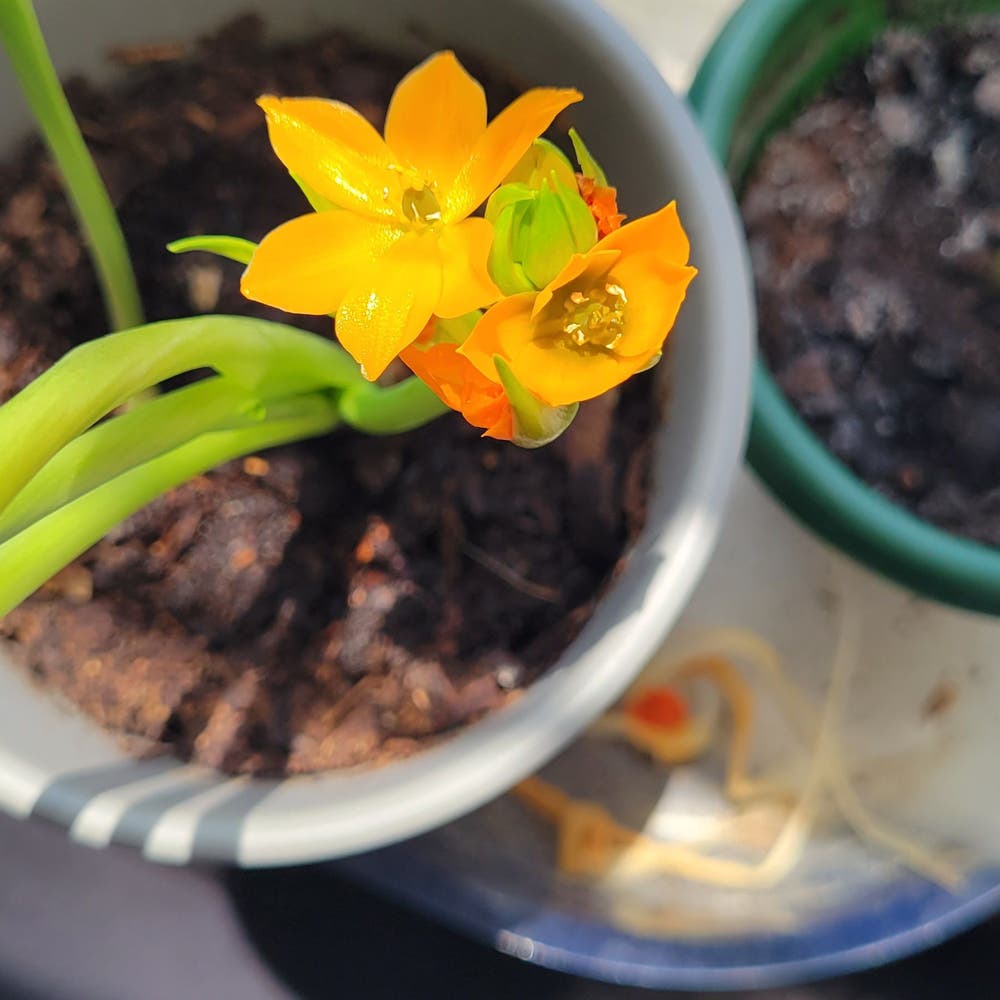
Best Soil for Your Orange Star Plant 🌟
Ornithogalum dubium
By the Greg Editorial Team
Oct 17, 2024•5 min read
This article was created with the help of AI so we can cover more plants for you. May contain errors. See one? Report it here.
Transform your Orange Star Plant's health with the right soil mix and expert care tips! 🌱
- 🌱 Well-draining, nutrient-rich soil is vital for your Orange Star Plant's health.
- 🏺 Cactus and succulent mixes promote drainage, preventing root rot effectively.
- 🔍 Regular soil testing ensures optimal pH and nutrient levels for growth.
Ideal Soil Composition
🌱 Characteristics
For your Orange Star Plant to thrive, the soil must be well-draining. This prevents root rot, a common issue for many indoor plants.
Additionally, the soil should be nutrient-rich to support robust growth. A balanced mix ensures your plant gets the essential elements it needs.
🏷️ Recommended Soil Types
Commercial Options
Cactus Soil
- Composition: This mix typically includes sand, perlite, and peat.
- Benefits: It offers excellent drainage and aeration, making it ideal for plants like the Orange Star.
Succulent Potting Mix
- Composition: Similar to cactus soil but may have added organic matter.
- Benefits: This mix provides balanced moisture retention while still allowing for proper drainage.
🏡 Homemade Mix
Creating a tailored mix can be a game-changer for your plant. A homemade blend allows you to customize the components based on your specific needs.
Basic Components:
- Potting Soil Base: Start with a quality potting soil as your foundation.
- Perlite or Pumice: Add these for enhanced drainage.
- Coarse Sand: This improves texture and prevents compaction.
By mixing these elements, you can create a soil environment that promotes healthy growth and vibrant blooms.
With the right soil composition in place, your Orange Star Plant will be well on its way to thriving. Next, let’s explore the ideal soil pH and nutrient needs to further support its growth.
Soil pH and Nutrient Needs
Ideal pH Range 🌱
For your Orange Star plant, maintaining a soil pH between 6.0 and 7.0 is crucial. This range ensures that nutrients are readily available for absorption.
The pH level directly influences how well your plant can take up essential nutrients. For instance, if the pH is too low or too high, key nutrients like nitrogen and phosphorus might become locked away, leaving your plant hungry.
Nutrient Requirements 🥦
Healthy growth hinges on a balanced supply of essential nutrients. The primary trio includes nitrogen, phosphorus, and potassium (NPK), which support overall plant vitality.
Additionally, micronutrients such as calcium, magnesium, and iron play vital roles in your plant's development. These nutrients help with everything from root health to chlorophyll production, ensuring your Orange Star thrives.
Understanding these pH and nutrient dynamics can significantly enhance your plant care routine. With the right conditions, your Orange Star will flourish, setting the stage for the next topic on identifying unhealthy soil.
Identifying Unhealthy Soil
🚩 Signs of Unhealthy Soil
Moldy soil is a clear indicator that something's off. You might notice a white or gray mold on the surface, often caused by overwatering or poor drainage.
Soil compaction is another red flag. If your soil feels hard and dense, it’s likely retaining too much water, which can severely limit aeration and stunt root growth.
🧪 Testing Soil Health
To ensure your orange star plant thrives, testing soil pH is essential. You can choose between DIY kits or professional testing services, both of which provide valuable insights into your soil's health.
Regular testing is crucial for optimal growth. Keep an eye on plant growth patterns and root health; these observational signs can reveal a lot about your soil's condition.
Understanding these indicators will help you maintain a vibrant and healthy environment for your plant. Next, let’s explore how to resolve any soil issues you might encounter.
Resolving Soil Issues
🦠 Solutions for Moldy Soil
Moldy soil can be a real headache for your Orange Star plant. If you spot white or gray mold on the surface, it's time to take immediate action.
Remove Affected Soil: Carefully scoop out the moldy soil and replace it with fresh mix. This helps eliminate the problem right away.
Improve Air Circulation: Ensure your plant has good airflow around it. This can be as simple as moving it to a less humid spot or using a small fan.
For long-term health, consider these preventative measures:
Adjust Watering Schedule: Overwatering is often the culprit. Let the top inch of soil dry out before watering again.
Use Fungicides if Necessary: If mold persists, a fungicide can help. Just follow the instructions carefully to avoid harming your plant.
🚰 Improving Drainage
Proper drainage is crucial for a thriving Orange Star plant. If your soil retains too much moisture, it can lead to root rot and other issues.
Add Perlite or Coarse Sand: Mix these into your existing soil to enhance drainage. They create air pockets that allow excess water to escape.
Repot in a Container with Drainage Holes: If your current pot lacks drainage, consider repotting. A container with holes at the bottom will help excess water flow out, keeping your plant's roots happy.
By addressing mold and drainage issues promptly, you can ensure your Orange Star plant remains healthy and vibrant. Next, let’s explore how to maintain your soil over time for continued success.
Soil Maintenance Tips
Refreshing Soil Over Time 🌱
Soil can lose its vitality, signaling that it needs refreshing. Look for signs like reduced drainage and poor plant growth; these are clear indicators that your orange star plant's soil is ready for an upgrade.
To refresh the soil, consider two main methods. First, top-dress with fresh soil to give your plant a nutrient boost without disturbing the roots. Alternatively, during repotting, you can completely replace the old soil for a fresh start.
When to Repot 🪴
Repotting is essential for maintaining a healthy plant. Watch for indicators such as root-bound plants, where roots start growing out of the drainage holes, or signs of soil degradation, like a loss of structure and nutrients.
As a general rule, aim to repot every 1-2 years. This frequency can vary based on your plant's growth rate and pot size, but keeping an eye on your plant's health will guide you in making the right decision.
With these soil maintenance tips, your orange star plant will thrive, setting the stage for vibrant growth and blooming beauty. Next, let’s explore how to identify unhealthy soil and what to do about it.
⚠️ Safety First
This content is for general information and may contain errors, omissions, or outdated details. It is not medical, veterinary advice, or an endorsement of therapeutic claims.
Always consult a qualified healthcare professional before using any plant as food, medicine, or supplement.
Never eat any plant (or feed one to pets) without confirming its identity with at least two trusted sources.
If you suspect poisoning, call Poison Control (800) 222-1222, the Pet Poison Helpline (800) 213-6680, or your local emergency service immediately.
Spotted an error? Please report it here.
Keep your Orange Star Plant thriving in nutrient-rich soil 🌿 by using Greg for tailored reminders and tips that ensure optimal soil health and growth!