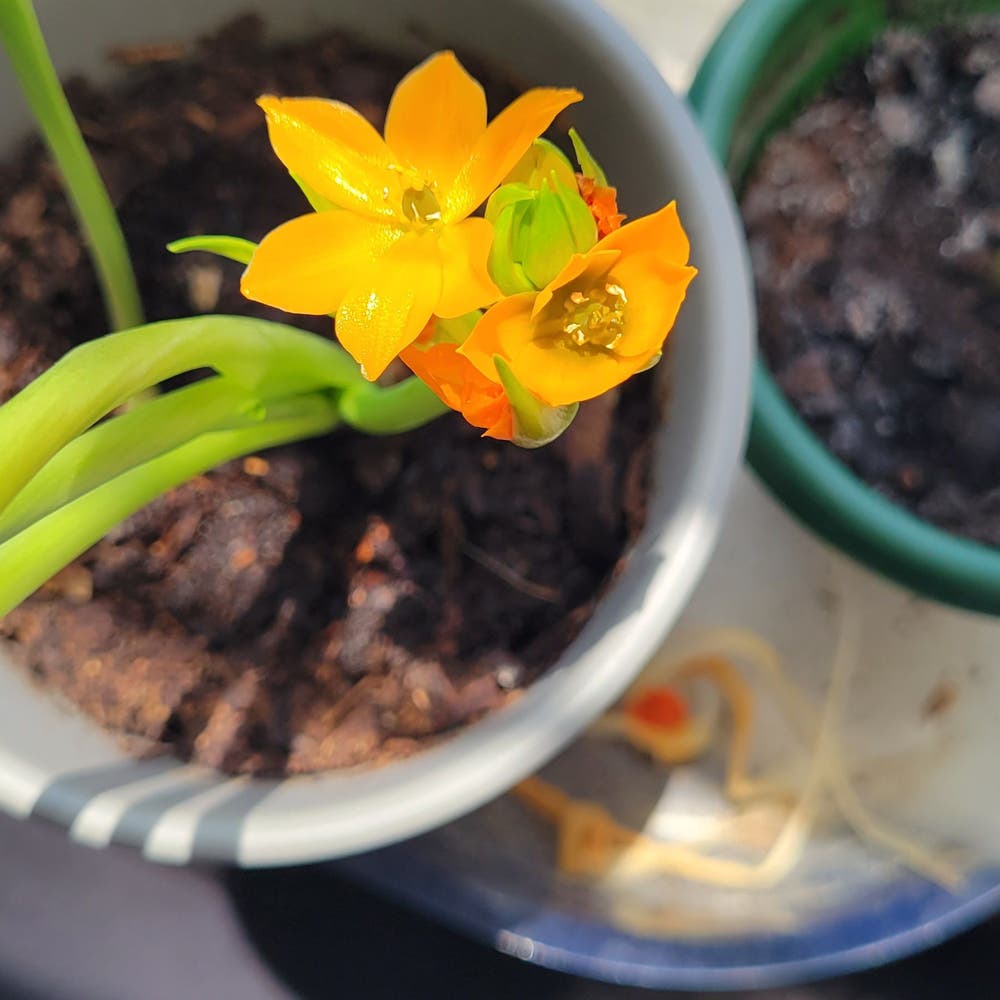
⭐️ Where Can Orange Star Plant Grow? Zones 7a-10b
Ornithogalum dubium
By the Greg Editorial Team
Oct 17, 2024•2 min read
This article was created with the help of AI so we can cover more plants for you. May contain errors. See one? Report it here.
Unlock vibrant growth of the Orange Star Plant 🌟 by mastering its temperature tolerance for thriving gardens!
- 🌞 Orange Star Plant thrives in USDA Zones 7a-10b, ideal for warmer climates.
- ❄️ Tolerates brief cold (20°F-32°F) but is frost-sensitive; protect during winter.
- 🌱 Requires well-draining soil and full sun for optimal growth and vibrancy.
Temperature Tolerance of Orange Star Plant
❄️ Cold Tolerance Specifics
The Orange Star Plant can handle temperatures between 20°F and 32°F (-6°C to 0°C) for short periods. However, it’s sensitive to frost, which can significantly impact its growth and survival, especially around the first and last frost dates.
🔥 Heat Tolerance Specifics
On the flip side, this plant thrives in heat, withstanding temperatures up to 100°F (38°C). Its adaptability allows it to cope well with high temperatures and direct sunlight, making it a resilient choice for warmer climates.
🌍 Ideal Growing Regions for Orange Star Plant
Examples of US States in Zones 7a-10b
If you're looking to grow the Orange Star Plant, consider states like California, Texas, Florida, Louisiana, and parts of North Carolina. These regions boast warm climates, minimal frost days, and extended growing seasons, creating ideal conditions for this vibrant plant.
Factors Contributing to Ideal Growing Conditions
For optimal growth, the Orange Star Plant prefers well-draining soil. It also thrives in full sun exposure, which is crucial for its health and vibrancy.
🌱 Microclimates and Their Impact
How Microclimates Can Extend Growing Range
Microclimates can significantly enhance the growing range of the Orange Star Plant. They offer benefits like protection from frost, increased warmth, and improved drainage, making them valuable for gardeners.
Examples of beneficial microclimates include urban areas, sheltered gardens, and south-facing slopes. These spots can create a more favorable environment for the plant, allowing it to flourish even in less-than-ideal conditions.
📊 State-Level Suitability Analysis
List of States Suitable for Orange Star Plant
The following states are particularly suitable for growing the Orange Star Plant: California, Texas, Florida, Louisiana, and North Carolina. These areas provide warm temperatures, low frost occurrence, and favorable soil conditions.
List of States Not Suitable for Orange Star Plant
Conversely, states like North Dakota, Minnesota, Maine, and parts of the Northeast are not suitable for this plant. Harsh winters, frequent frost, and inadequate temperature ranges make these regions challenging for the Orange Star Plant's survival.
Understanding these temperature tolerances and regional preferences will help you successfully cultivate this stunning plant in your garden. Next, let’s explore how to maximize its growth potential!
⚠️ Safety First
This content is for general information and may contain errors, omissions, or outdated details. It is not medical, veterinary advice, or an endorsement of therapeutic claims.
Always consult a qualified healthcare professional before using any plant as food, medicine, or supplement.
Never eat any plant (or feed one to pets) without confirming its identity with at least two trusted sources.
If you suspect poisoning, call Poison Control (800) 222-1222, the Pet Poison Helpline (800) 213-6680, or your local emergency service immediately.
Spotted an error? Please report it here.
Grow your Orange Star Plant vibrantly 🌞 with Greg's tailored care reminders that help you master its soil and temperature needs for thriving success!