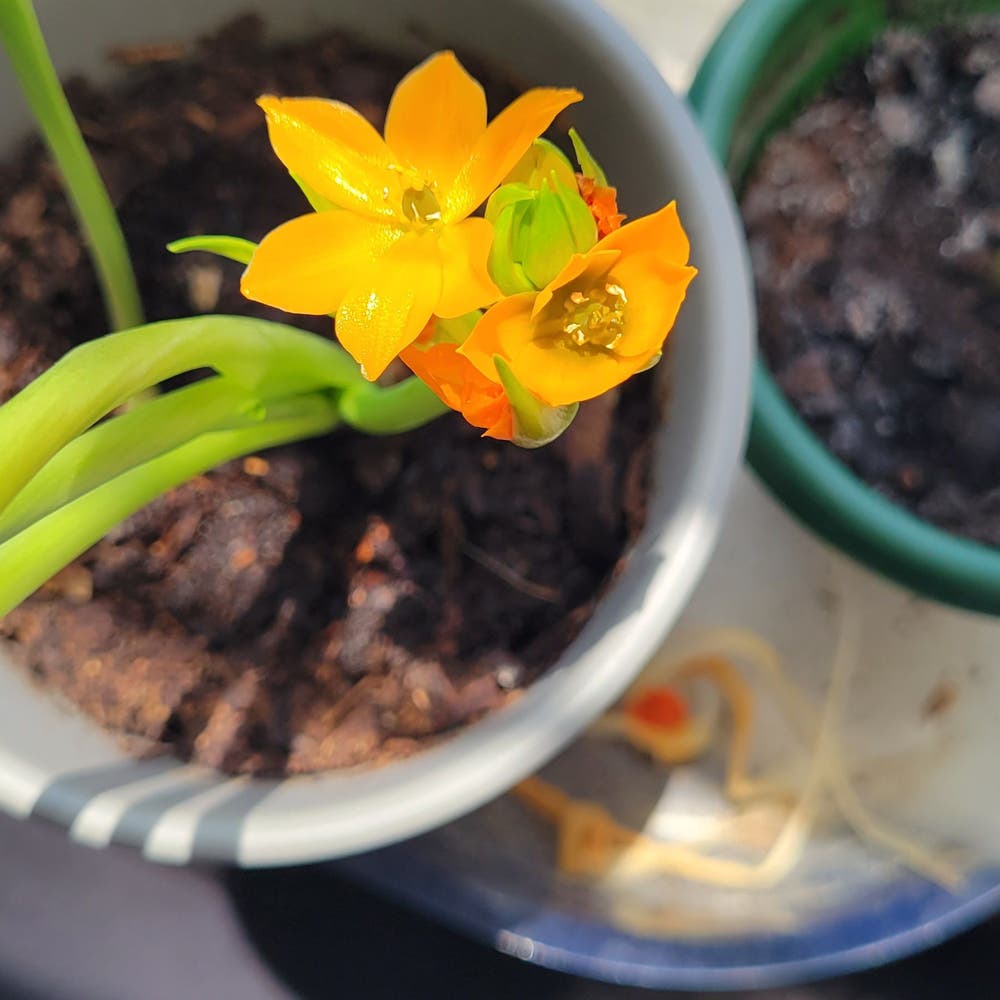
⭐ Managing Direct Sunlight for Your Orange Star Plant
Ornithogalum dubium
By the Greg Editorial Team
Oct 17, 2024•3 min read
This article was created with the help of AI so we can cover more plants for you. May contain errors. See one? Report it here.
Unlock your Orange Star Plant's full potential 🌱 by mastering window placement for optimal sunlight exposure! ☀️
- 🌞 Window direction impacts sunlight; east-facing is best for your Orange Star Plant.
- 🌿 Signs of too much sunlight include leaf burn; adjust exposure to prevent stress.
- 📅 Seasonal changes affect light intensity; monitor and adjust for optimal growth year-round.
Window Direction and Its Impact
Importance of Window Direction 🌞
The direction of your windows plays a crucial role in how much sunlight your Orange Star Plant receives. Different orientations provide varying sunlight intensity, which is essential for optimal growth.
How Different Windows Affect Sunlight 🌅
- East-facing: This direction offers gentle morning sunlight, making it ideal for your plant.
- West-facing: Expect intense afternoon sun here; your plant may need some protection from the harsh rays.
- North-facing: Generally low light conditions prevail, which may not be sufficient for healthy growth.
- South-facing: Strong, direct sunlight can be overwhelming; filtering may be necessary to prevent damage.
Recommendations for Placement 🪴
For the best results, position your Orange Star Plant near east-facing windows. This setup provides the right amount of light without the risk of harsh exposure.
If you have west or south-facing windows, consider using sheer curtains to diffuse the sunlight. This simple adjustment can help maintain the vibrant health of your plant while ensuring it thrives in its environment.
Understanding window direction is key to nurturing your Orange Star Plant effectively. With the right placement, you can create an ideal growing environment that promotes lush foliage and beautiful blooms.
Geographic Considerations
🌍 How Hemisphere Affects Sunlight Exposure
The hemisphere you’re in plays a crucial role in how your Orange Star Plant receives sunlight. In the Northern Hemisphere, the sun travels across the southern sky, providing varying light intensity throughout the day.
Conversely, in the Southern Hemisphere, the sun moves across the northern sky. Understanding these patterns can help you place your plant in the best spot for optimal growth.
🌦️ Seasonal Variations
Seasons significantly impact sunlight exposure for your plant. During summer, longer days mean more intense sunlight, which can be beneficial but may require adjustments to prevent damage.
In winter, shorter days lead to less light, so monitoring your plant's needs is essential. Be ready to shift its location as the seasons change to ensure it thrives year-round.
Practical Tips for Managing Sunlight
🌞 Signs of Sunlight Issues
Recognizing sunlight issues is crucial for your Orange Star Plant's health. If you notice leaf burn, fading colors, or wilting, your plant may be getting too much sunlight.
Conversely, if growth is slow, the plant appears leggy, or flowers are sparse, it might not be receiving enough light. Keeping an eye on these signs will help you maintain optimal conditions.
🔄 How to Adjust Light Exposure
Adjusting light exposure can make a world of difference. Start by moving the plant to a location with better light conditions.
If relocating isn't an option, consider using sheer curtains to filter harsh sunlight. This simple step can protect your plant while still allowing it to thrive.
Lastly, rotating the plant regularly ensures even light exposure, promoting balanced growth all around.
📊 Best Practices for Monitoring Conditions
Monitoring your plant's conditions is key to its success. Regularly check the leaves for any signs of stress, as they can provide early warnings of issues.
If you have access to a light meter, use it to measure sunlight intensity. This tool can help you make informed decisions about placement.
Keeping a journal of sunlight conditions and your plant's responses can also be beneficial. Documenting changes will help you understand what works best for your Orange Star Plant.
With these practical tips, you'll be well-equipped to manage sunlight effectively, ensuring your plant remains vibrant and healthy. Next, let’s explore how geographic considerations can further impact your plant’s sunlight exposure.
⚠️ Safety First
This content is for general information and may contain errors, omissions, or outdated details. It is not medical, veterinary advice, or an endorsement of therapeutic claims.
Always consult a qualified healthcare professional before using any plant as food, medicine, or supplement.
Never eat any plant (or feed one to pets) without confirming its identity with at least two trusted sources.
If you suspect poisoning, call Poison Control (800) 222-1222, the Pet Poison Helpline (800) 213-6680, or your local emergency service immediately.
Spotted an error? Please report it here.
Ensure your Orange Star Plant flourishes with optimal sunlight management 🌞—let Greg guide you with tailored tips and light monitoring to keep your plant thriving all year round!