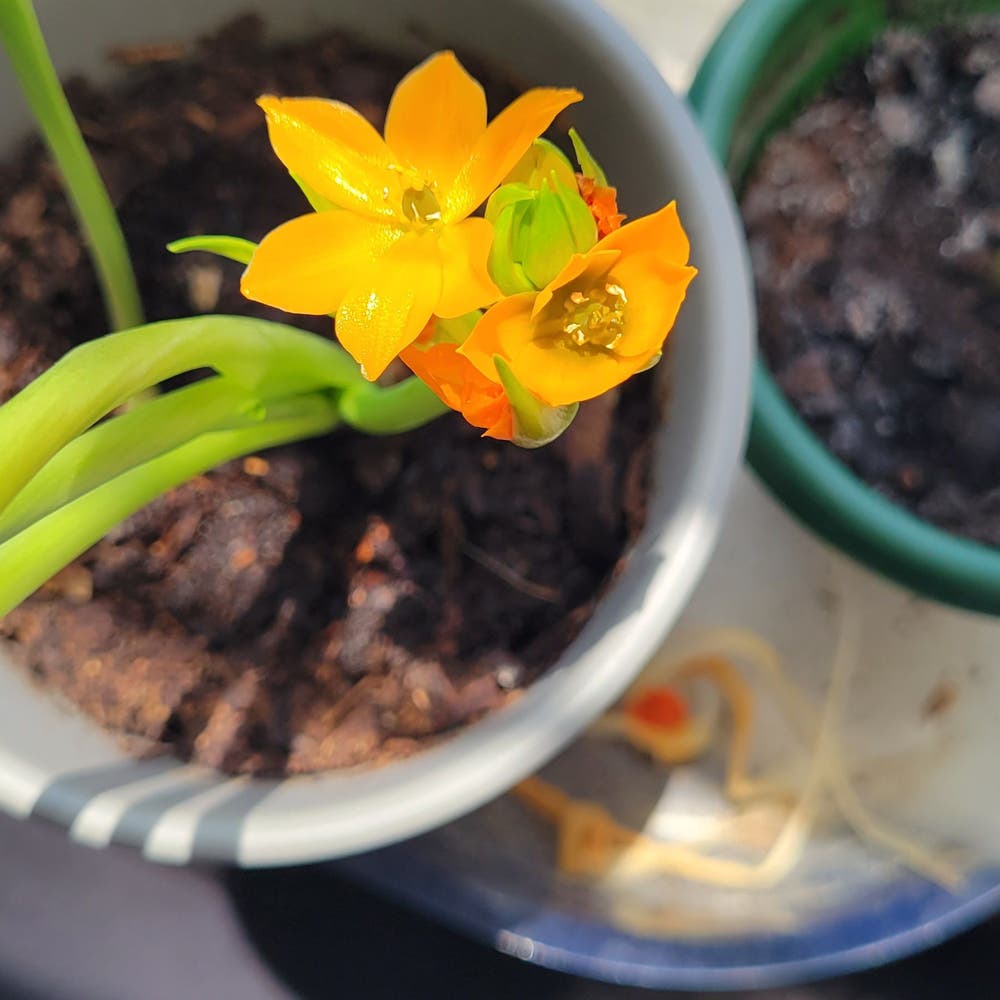
⭐ How to Fix Brown Spots on Your Star of Bethlehem
Ornithogalum dubium
By the Greg Editorial Team
Oct 18, 2024•7 min read
This article was created with the help of AI so we can cover more plants for you. May contain errors. See one? Report it here.
Transform your Star of Bethlehem 🌱 by learning to diagnose and treat brown spots for vibrant, healthy growth!
- 💧 Brown spots arise from overwatering or underwatering; check soil moisture regularly.
- 🌱 Nutrient deficiencies and pests can also cause brown spots; monitor and treat promptly.
- 🦠 Fungal infections thrive in moist conditions; use fungicides for effective treatment.
Causes of Brown Spots
💧 Overwatering and Root Rot
Brown spots on your Star of Bethlehem can often be traced back to overwatering. Symptoms include yellowing leaves, mushy roots, and those dreaded brown spots.
Excess moisture in the soil leads to root rot, which can be detrimental to your plant's health. To prevent this, ensure your soil is well-drained and avoid waterlogged conditions.
🌵 Underwatering and Leaf Stress
On the flip side, underwatering can also cause brown spots. Look for crispy, brown leaf tips and edges as signs of insufficient water.
To keep your plant thriving, regularly check the soil moisture and water when the top inch is dry. This simple practice can make a world of difference.
🥦 Nutrient Deficiencies
Nitrogen Deficiency
A lack of nitrogen can manifest as yellowing leaves with brown spots. This deficiency often occurs in nutrient-poor soil.
To combat this, use a balanced fertilizer to replenish essential nutrients. Your plant will thank you for it!
Potassium Deficiency
Marginal leaf browning and weak growth are telltale signs of potassium deficiency. Insufficient potassium levels can hinder your plant's overall vigor.
Applying potassium-rich fertilizers can help restore balance and promote healthy growth. It's a straightforward fix that pays off.
🍄 Fungal Infections
Leaf Spot Disease
Dark brown or black spots on leaves are often symptoms of leaf spot disease. This fungal infection thrives in overly moist conditions.
To prevent this issue, improve air circulation around your plant and avoid overhead watering. A little attention goes a long way.
🕷️ Pest Infestations
Spider Mites
If you notice fine webbing and stippled leaves, spider mites might be the culprit. These pests thrive in high temperatures and low humidity.
Regularly inspecting your plants and maintaining humidity levels can help keep these pests at bay. Stay vigilant!
Aphids
Curling leaves and sticky residue are common signs of aphid infestations. These pests can deplete your plant's nutrients, leading to further issues.
Using insecticidal soap or neem oil can effectively control aphids. Quick action is key to preventing damage.
Understanding these causes is essential for maintaining the health of your Star of Bethlehem. With the right knowledge, you can take proactive steps to prevent and treat brown spots effectively. Next, we’ll delve into diagnosing these brown spots to pinpoint the exact issue.
Diagnosing Brown Spots
🌊 Identifying Symptoms of Overwatering vs. Underwatering
Overwatering often manifests as yellowing, mushy leaves. In contrast, underwatering leads to crispy edges and brown tips, indicating stress.
🥦 Recognizing Signs of Nutrient Deficiencies
A nitrogen deficiency typically shows up as yellowing leaves with brown spots. If you notice marginal browning and weak growth, potassium might be lacking.
🐛 Differentiating Between Fungal and Pest-Related Issues
Fungal problems usually present as dark, irregular spots on leaves. If you see visible insects or fine webbing, pests like spider mites or aphids could be the culprits.
🌡️ Assessing Environmental Factors Affecting Plant Health
Light exposure is crucial; ensure your plant receives appropriate light conditions. Additionally, keep an eye on temperature changes, as sudden shifts can stress your Star of Bethlehem.
Understanding these symptoms and factors is key to diagnosing brown spots effectively. With this knowledge, you can take the right steps toward restoring your plant's health.
Treatment Options
Adjusting Watering Practices 🌊
To keep your Star of Bethlehem healthy, start by checking the soil moisture before watering. Water only when the top inch of soil feels dry to the touch.
Using pots with drainage holes is crucial to prevent waterlogging. This simple step can save your plant from root rot.
Fertilization Techniques for Nutrient Deficiencies 🌱
If you suspect nutrient deficiencies, choose a balanced fertilizer with appropriate NPK ratios. Apply it according to package instructions during the growing season for optimal results.
Regular fertilization helps replenish essential nutrients and promotes robust growth.
Fungicide Application for Fungal Infections 🦠
For fungal infections like leaf spot disease, select a suitable fungicide. It's important to follow application instructions carefully to avoid damaging your plant.
Proper application can effectively combat fungal issues and restore your plant's health.
Pest Control Methods 🐛
If pests like spider mites or aphids invade, use insecticidal soap or neem oil for control. Apply these treatments in the early morning or late evening to prevent sunburn on your plant.
Regular pest management keeps your Star of Bethlehem thriving and free from infestations.
Pruning Affected Leaves ✂️
Pruning is a straightforward yet effective method to manage damage. Use clean, sharp scissors to remove any affected leaves.
Dispose of the cuttings properly to prevent the spread of disease. This simple act can significantly improve your plant's overall health.
With these treatment options, you can effectively address brown spots on your Star of Bethlehem. Next, let’s explore preventive measures to keep your plant healthy and vibrant.
Preventive Measures
Best Watering Practices 💧
Consistent watering is key to a healthy Star of Bethlehem. Always check soil moisture levels before watering to avoid over or underwatering.
Avoid letting your plant sit in standing water, as this can lead to root rot. A well-drained pot is essential for maintaining optimal moisture levels.
Soil Selection and Drainage Considerations 🪴
Choosing the right soil is crucial. Use a well-draining potting mix to ensure your plant thrives.
Consider adding perlite or sand to improve drainage further. This will help prevent waterlogging and promote healthy root growth.
Regular Monitoring for Pests and Diseases 🔍
Stay vigilant by inspecting your plants weekly. Look for any signs of pests or diseases that could affect their health.
Act quickly to address any issues you find. Early intervention can save your plant from serious damage.
Seasonal Care Tips to Avoid Stress 🌦️
Adjust your care routine with the changing seasons. This includes modifying watering and light exposure to suit the plant's needs.
Protect your Star of Bethlehem from extreme temperatures during winter. Keeping it in a stable environment will help it flourish.
Proper Light Conditions to Prevent Sunburn ☀️
Place your plant in bright, indirect light for optimal growth. Too much direct sunlight can lead to sunburn on the leaves.
If moving your plant outdoors, gradually acclimate it to higher light levels. This will help prevent shock and ensure a smooth transition.
By implementing these preventive measures, you can keep your Star of Bethlehem healthy and vibrant. Next, let’s explore how to monitor and care for your plant after treatment.
Aftercare and Monitoring
Signs of Recovery After Treatment 🌱
After addressing the brown spots on your Star of Bethlehem, look for signs of recovery. New growth should start to emerge, and you’ll notice reduced leaf discoloration.
Improved overall plant vigor is a great indicator that your care efforts are paying off. Keep an eye on these changes to ensure your plant is on the right track.
Ongoing Care to Prevent Recurrence 🔄
To keep your plant thriving, maintain consistent watering and fertilization schedules. Regularly checking for pests and environmental stressors is essential to prevent future issues.
A proactive approach will help your Star of Bethlehem flourish and stay healthy.
When to Seek Professional Help 🆘
If you notice persistent issues despite your best treatment efforts, it may be time to consult a professional. Severe infestations or diseases that don’t respond to home remedies require expert intervention.
Don’t hesitate to reach out for help if your plant’s health continues to decline. Your Star of Bethlehem deserves the best care possible.
With these aftercare tips, you’re well-equipped to nurture your plant back to health and prevent future problems. Next, let’s explore preventive measures to ensure your Star of Bethlehem remains vibrant and strong.
⚠️ Safety First
This content is for general information and may contain errors, omissions, or outdated details. It is not medical, veterinary advice, or an endorsement of therapeutic claims.
Always consult a qualified healthcare professional before using any plant as food, medicine, or supplement.
Never eat any plant (or feed one to pets) without confirming its identity with at least two trusted sources.
If you suspect poisoning, call Poison Control (800) 222-1222, the Pet Poison Helpline (800) 213-6680, or your local emergency service immediately.
Spotted an error? Please report it here.
Keep your Star of Bethlehem spot-free 🌱 by using Greg's tailored care reminders and expert tips to ensure it thrives with vibrant health!