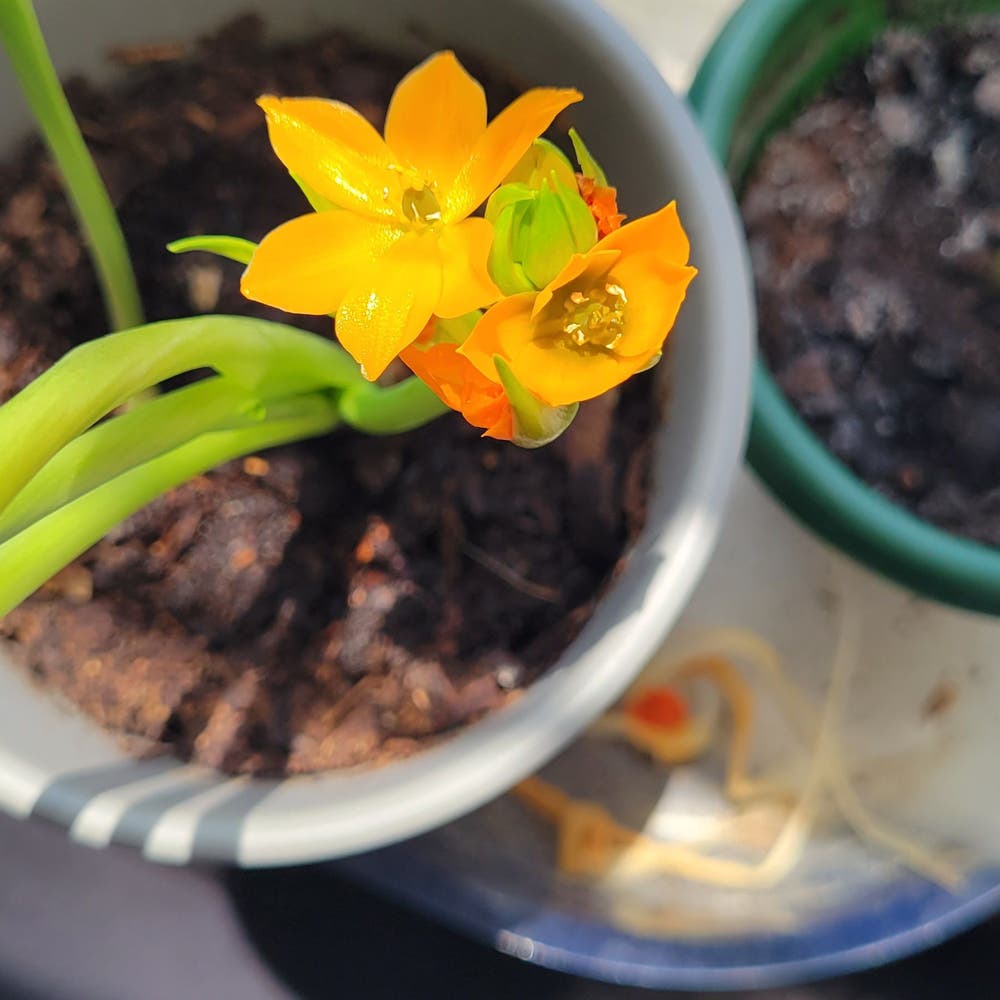
⭐ 4 Tips for Healthy Orange Star Plant Roots
Ornithogalum dubium
By the Greg Editorial Team
Oct 17, 2024•5 min read
This article was created with the help of AI so we can cover more plants for you. May contain errors. See one? Report it here.
Master root care for your Orange Star Plant 🌱 to ensure vibrant growth and resilience in any environment!
- 🌱 Orange Star Plant roots are shallow yet extensive, ensuring efficient moisture absorption.
- 💧 Consistent moisture is vital, but avoid overwatering to prevent root rot.
- 🌞 Transplant in spring using well-draining soil for optimal growth and health.
Characteristics of the Root System
🌱 Type and Growth Patterns
The Orange Star Plant features a fibrous root system that is both shallow and extensive. This design allows for quick absorption of surface moisture, making it efficient in capturing water during dry spells.
These roots tend to grow horizontally rather than deep, which can make them susceptible to drying out. Environmental factors, such as humidity and soil quality, significantly influence their growth patterns, so it's essential to monitor these conditions closely.
📏 Root Depth and Spread
Typically, the root depth of the Orange Star Plant ranges from 6 to 12 inches, depending on the soil conditions.
However, the root spread can extend up to 2 feet in diameter, which facilitates effective nutrient uptake. This expansive root system is crucial for the plant's overall health and resilience.
Understanding these characteristics is vital for providing the best care for your Orange Star Plant. Healthy roots set the foundation for vibrant growth and can help mitigate stress factors in the environment.
Next, we’ll explore the essential aspects of watering, fertilizing, and transplanting to further support your plant's root health.
Watering, Fertilizing, and Transplanting
Watering Needs 🌊
Maintaining consistent moisture is crucial for the Orange Star Plant. However, be cautious—overwatering can lead to yellowing leaves and mushy roots.
Fertilizing Techniques 🌱
For optimal growth, use balanced, water-soluble fertilizers during the growing season. A fertilizing schedule of every 4-6 weeks works well, but adjust based on your plant's growth rate and environmental conditions.
Transplanting Best Practices 🌿
Transplanting should ideally occur during the growing season, from spring to early summer. Before you start, ensure your new pot has drainage holes and is filled with well-draining soil.
When handling the roots, aim to minimize disturbance to reduce transplant shock. This care will help your Orange Star thrive in its new environment.
Understanding these essential practices will set your plant up for success. Next, let’s explore common root-related issues you might encounter.
Common Root-Related Issues
🕵️ Identifying and Treating Problems
Root rot can be a sneaky adversary for your Orange Star Plant. Watch for symptoms like wilting, yellowing leaves, and a foul odor emanating from the soil. These signs often indicate that your plant's roots are struggling.
To prevent root rot, prioritize well-draining soil and avoid overwatering. A good rule of thumb is to let the top inch of soil dry out before watering again.
If you do encounter root rot, don’t panic. Start by removing the affected roots and repotting the plant in fresh, dry soil. In some cases, using fungicides can help combat any lingering issues.
🚧 Prevention Strategies
Maintaining healthy roots is all about proactive care. Regularly check your plant for signs of distress and adjust your watering habits accordingly.
Using a pot with drainage holes is essential; it allows excess water to escape, reducing the risk of rot. Additionally, consider using a soil mix specifically designed for drainage to further safeguard your plant's roots.
🔄 Quick Recap
- Symptoms of Root Rot: Wilting, yellowing leaves, foul odor.
- Prevention: Well-draining soil, avoid overwatering.
- Treatment: Remove affected roots, repot in fresh soil, consider fungicides.
By keeping an eye on these common root-related issues, you can ensure your Orange Star Plant thrives. Healthy roots lead to a vibrant plant, ready to brighten your space.
Next, let’s explore how to recognize healthy versus unhealthy roots, so you can keep your plant in top shape.
Recognizing Healthy vs. Unhealthy Roots
👀 Visual Cues and Indicators
Healthy roots are the backbone of your Orange Star Plant's vitality. Look for roots that are firm, white, or light tan in color, indicating they are thriving and absorbing nutrients effectively.
In contrast, unhealthy roots present a stark warning. Dark, mushy, or foul-smelling roots signal rot, which can jeopardize your plant's health. If you notice these signs, it's crucial to act quickly.
🚫 Signs of Rootbound Plants
Another issue to watch for is rootbound conditions. If you see roots growing out of drainage holes or circling the pot, your plant is likely cramped and struggling for space. This can hinder its growth and overall health.
By keeping an eye on these visual cues, you can ensure your Orange Star Plant remains robust and vibrant. Healthy roots not only support the plant but also enhance its beauty, making your care efforts worthwhile.
Next, let’s explore common root-related issues and how to tackle them effectively.
Propagation and Division
🌱 Importance of Root Health
Healthy roots are the backbone of successful propagation and division for your Orange Star Plant. Strong roots ensure that new plants can thrive and adapt to their environments.
🛠️ Step-by-Step Guide for Dividing Orange Star Plant
1. Timing
The best time to divide your plant is during the growing season, typically spring to early summer. This timing allows the plant to recover quickly.
2. Tools
Gather your tools: clean, sharp scissors or a knife are essential. Using clean tools helps prevent any infections.
3. Division Process
- Remove the Plant: Carefully take the plant out of its pot. Be gentle to avoid damaging the roots.
- Separate the Roots: Gently pull apart the root clumps. Ensure each division has both roots and foliage for the best chance of survival.
- Replant: Place the divisions in suitable pots filled with well-draining soil. This helps prevent root rot and encourages healthy growth.
4. Post-Division Care
After replanting, water lightly to settle the soil. Position the new plants in indirect sunlight until they establish themselves. This gentle care helps them adapt without stress.
Understanding these steps can make a significant difference in your plant's health and growth. Healthy roots not only support propagation but also enhance the overall resilience of your Orange Star Plant.
Next, let’s explore common root-related issues to watch out for, ensuring your plants stay vibrant and thriving.
⚠️ Safety First
This content is for general information and may contain errors, omissions, or outdated details. It is not medical, veterinary advice, or an endorsement of therapeutic claims.
Always consult a qualified healthcare professional before using any plant as food, medicine, or supplement.
Never eat any plant (or feed one to pets) without confirming its identity with at least two trusted sources.
If you suspect poisoning, call Poison Control (800) 222-1222, the Pet Poison Helpline (800) 213-6680, or your local emergency service immediately.
Spotted an error? Please report it here.
Nurture your Orange Star Plant's roots to thrive 🌟 with Greg's tailored watering alerts and expert care tips that keep your plant healthy and vibrant!