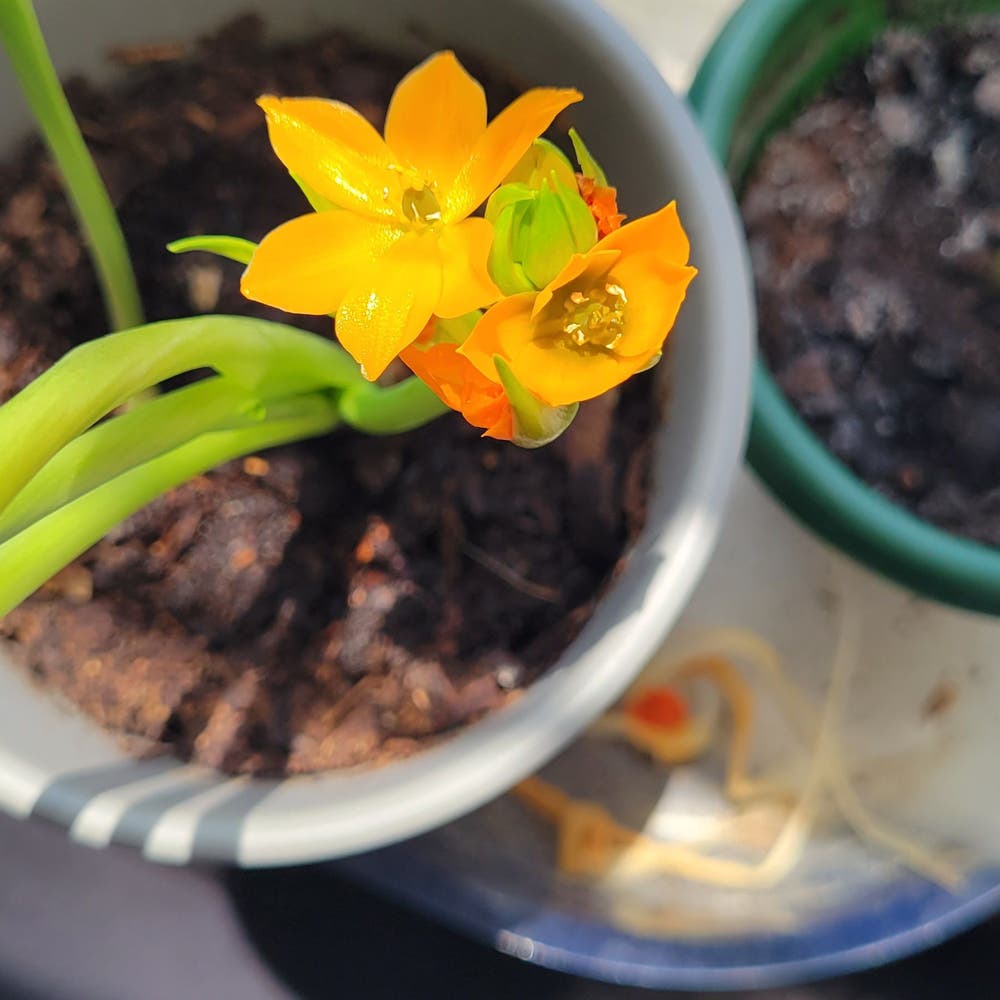
⭐ 6 Ideal Locations to Plant Orange Star Plant
Ornithogalum dubium
By the Greg Editorial Team
Oct 17, 2024•6 min read
This article was created with the help of AI so we can cover more plants for you. May contain errors. See one? Report it here.
Cultivate a vibrant Orange Star Plant 🌟 with essential tips on sunlight, soil, and protection for thriving growth!
- ☀️ Orange Star Plants need 6-8 hours of direct sunlight for optimal growth.
- 🌱 Well-draining soil is essential to prevent root rot and promote healthy growth.
- 🌬️ Wind protection enhances resilience; use natural barriers like walls or taller plants.
Sunlight Exposure Requirements
Full Sun Requirements 🌞
For the Orange Star Plant, the magic number is 6-8 hours of direct sunlight daily. This full sun exposure not only enhances flowering but also promotes robust growth, making your plant thrive.
Shade Tolerance 🌳
While it prefers full sun, the Orange Star Plant can tolerate up to 4 hours of indirect sunlight. However, keep in mind that growth will be slower and flowering may be less abundant in shaded areas.
Assessing Sunlight Patterns 🔍
To ensure your plant gets the right amount of light, observe sunlight patterns throughout your garden during the day. Seasonal changes, like tree leaves or nearby structures, can significantly affect light availability, so stay vigilant and adjust as needed.
Understanding these sunlight exposure requirements will set the foundation for a healthy, flourishing Orange Star Plant. Next, let’s dive into the soil type preferences that will further support its growth.
Soil Type Preferences
Well-Draining Soil 🌊
Choosing the right soil is crucial for your Orange Star Plant. Well-draining soil prevents root rot and promotes healthy growth, making it a top priority for successful gardening.
For optimal results, consider using sandy loam or a potting mix that includes perlite. These soil types allow excess water to escape while retaining essential nutrients.
Moisture Retention 💧
While drainage is vital, your soil should also retain some moisture. Aim for a balance where the soil stays moist but never waterlogged.
To test your soil's moisture levels, use a moisture meter or simply perform a finger test. Stick your finger into the soil; if it feels dry an inch down, it’s time to water.
By ensuring your Orange Star Plant has the right soil conditions, you set the stage for vibrant growth and stunning blooms.
Next, let’s explore how proximity to other plants and structures can enhance your gardening experience.
Proximity to Other Plants and Structures
🌱 Companion Planting Considerations
Choosing the right companions for your Orange Star Plant can make all the difference. Look for plants that share similar sun and water needs to create a harmonious garden environment.
To avoid competition for resources, ensure there's adequate spacing between plants. This not only promotes healthy growth but also allows each plant to thrive without feeling cramped.
🎨 Landscape Design
When it comes to aesthetic placement, think about how colors and textures interact. Pairing your Orange Star Plant with contrasting plants can create a visually striking display.
Functional placement is equally important. Group your Orange Star Plant with taller plants that provide wind protection or shade, enhancing both its health and the overall garden design.
By carefully considering these factors, you can create a thriving garden that showcases the beauty of your Orange Star Plant while ensuring it has the best possible growing conditions.
Next, let’s dive into assessing microclimates to further optimize your planting strategy.
Assessing Microclimates
Identifying Microclimates 🌍
Microclimates are unique areas within your garden that experience different climate conditions. These variations can be influenced by nearby buildings, walls, or trees that create shade or shelter.
Utilizing Microclimates 🌱
To make the most of these microclimates, look for sheltered spots that retain warmth and moisture. These areas can be ideal for planting your Orange Star Plant, especially during cooler months.
Seasonal adjustments are also crucial. As the seasons change, consider moving containers or adjusting planting locations to ensure your plants receive optimal conditions throughout the year.
By understanding and leveraging microclimates, you can enhance the growth and vitality of your Orange Star Plant, ensuring it thrives in your garden.
Next, let’s explore the importance of wind protection for your plants.
Wind Protection Needs
Importance of Wind Protection 🌬️
Wind can be a silent enemy for your Orange Star Plant. It not only damages foliage but also affects moisture levels, making it crucial to consider wind protection when selecting a planting site.
Ideal Locations for Wind Protection 🏡
To shield your plant from harsh winds, consider planting near walls, fences, or other structures. These natural windbreaks can significantly enhance the plant's resilience and overall health.
Creating Windbreaks 🌳
Using taller plants or shrubs can provide an effective shield for your Orange Star Plant. Position these taller companions strategically to block wind while adding layers to your garden's aesthetic.
Artificial Barriers 🛡️
If natural windbreaks aren't available, consider installing garden screens or trellises. These artificial barriers can serve as additional protection, ensuring your Orange Star Plant thrives even in breezy conditions.
By prioritizing wind protection, you set the stage for a flourishing garden. Next, let’s explore the essential drainage considerations to keep your Orange Star Plant healthy and vibrant.
Drainage Considerations
💧 Importance of Proper Drainage
Proper drainage is crucial for the health of your Orange Star Plant. Poor drainage can lead to root rot and fungal diseases, which can quickly ruin your hard work.
To prevent these issues, consider using raised beds or containers with drainage holes. These solutions promote airflow and help excess water escape, keeping your plant's roots healthy.
🔍 Assessing Drainage Conditions
Testing your soil's drainage is a straightforward process. Conduct a percolation test by digging a hole about 12 inches deep and observing how quickly water absorbs.
If you find that water pools or drains slowly, it’s time to adjust your soil composition. Adding sand or perlite can significantly improve drainage in heavy soils, ensuring your Orange Star Plant thrives.
With the right drainage conditions, your plant will flourish, setting the stage for vibrant blooms and robust growth. Now, let’s explore site selection strategies to optimize your planting experience.
Site Selection Strategies
Evaluating Sunlight Patterns 🌞
Mapping sunlight exposure is crucial for the Orange Star Plant. Create a simple diagram of your garden to track how sunlight moves throughout the day.
Seasonal adjustments are equally important. Reassess your plant locations as the seasons change to ensure they receive optimal light conditions.
Testing Soil Conditions 🧪
Using soil testing kits can provide valuable insights into your garden's pH and nutrient levels. This information helps you understand what amendments might be necessary for your Orange Star Plant.
Adjusting soil conditions based on test results is essential. Tailor your soil to meet the specific needs of your plant for the best growth.
Choosing Between Indoor and Outdoor Settings 🏡
When considering indoor planting, evaluate light availability from windows and the potential use of artificial grow lights. This can make a significant difference in your plant's health.
For outdoor planting, assess climate suitability and ensure protection from frost. The right environment can enhance your plant's growth and flowering.
Seasonal Changes in Location Suitability 🍂
Monitoring seasonal changes is key to maintaining healthy plants. Adjust their locations based on temperature and light availability to keep them thriving.
Preparing for frost is also vital. Moving containers indoors or to sheltered areas during colder months can protect your Orange Star Plant from harsh conditions.
These strategies will help you create the perfect environment for your Orange Star Plant, ensuring it flourishes throughout the year. Next, let's explore the importance of drainage considerations for optimal growth.
⚠️ Safety First
This content is for general information and may contain errors, omissions, or outdated details. It is not medical, veterinary advice, or an endorsement of therapeutic claims.
Always consult a qualified healthcare professional before using any plant as food, medicine, or supplement.
Never eat any plant (or feed one to pets) without confirming its identity with at least two trusted sources.
If you suspect poisoning, call Poison Control (800) 222-1222, the Pet Poison Helpline (800) 213-6680, or your local emergency service immediately.
Spotted an error? Please report it here.
Help your Orange Star Plant thrive in full sun 🌞 with Greg's tailored watering reminders and soil tips, ensuring it blooms beautifully all season long!