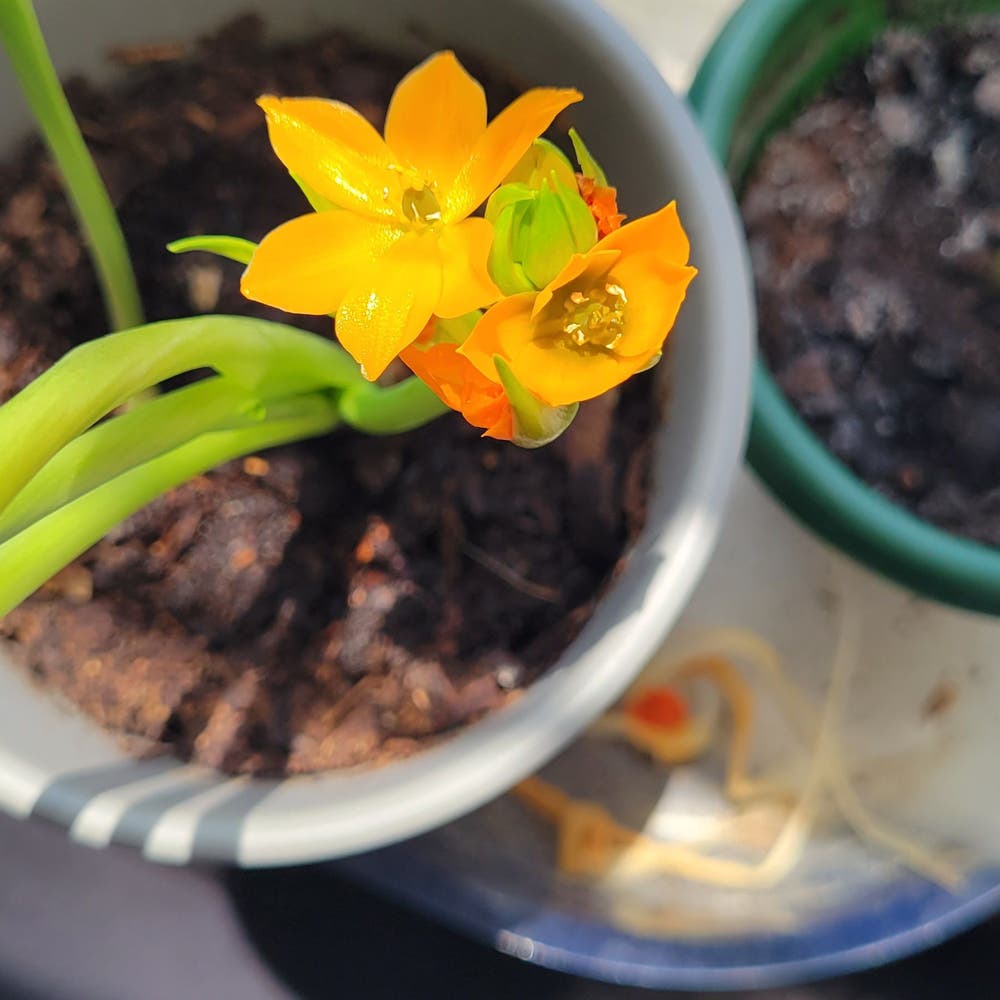
🌟 Humidity Needs for Your Orange Star Plant
Ornithogalum dubium
By the Greg Editorial Team
Oct 17, 2024•5 min read
This article was created with the help of AI so we can cover more plants for you. May contain errors. See one? Report it here.
Ensure your Orange Star Plant thrives 🌱 by mastering its ideal humidity levels—too low can lead to stress and damage! 💧
- 🌬️ Ideal humidity for Orange Star Plants is 50%-70% to thrive.
- 🌱 Proper humidity prevents leaf curling and browning, ensuring plant health.
- 💧 Use hygrometers and humidifiers to maintain optimal moisture levels effectively.
Ideal Humidity Levels
Recommended Humidity Range 🌬️
For your Orange Star Plant, the optimal relative humidity is between 50% and 70%. Maintaining humidity within this range is crucial; otherwise, you might notice unsightly leaf curling or browning.
Factors Influencing Humidity Needs 🌱
These plants have unique succulent-like leaves that can retain moisture, yet they still need adequate humidity for overall health. While some varieties may have slightly different preferences, most thrive under similar humidity conditions.
Understanding these needs will help you create the perfect environment for your Orange Star Plant, ensuring it flourishes beautifully.
Understanding Humidity
Absolute Humidity 🌊
Absolute humidity refers to the total amount of water vapor in a specific volume of air, typically measured in grams per cubic meter. Understanding this concept is crucial because it directly impacts the moisture content available for your Orange Star Plant.
Relative Humidity 🌬️
Relative humidity, on the other hand, is the percentage of moisture in the air compared to the maximum amount the air can hold at a given temperature. This measurement is particularly important for plant care, as it indicates how close the air is to saturation, influencing transpiration rates and overall plant health.
Why It Matters 🌱
Maintaining the right humidity levels is essential for your Orange Star Plant's vitality. Too low humidity can lead to stress, while excessively high humidity can promote mold growth.
Practical Implications 📊
By monitoring both absolute and relative humidity, you can tailor your care routine to meet your plant's specific needs. This proactive approach ensures your Orange Star thrives in its environment.
Understanding these humidity concepts sets the stage for assessing local humidity levels and implementing effective strategies for your plant's care.
Local Humidity Considerations
🌡️ Assessing Your Local Humidity Levels
To ensure your Orange Star Plant thrives, start by measuring your indoor humidity. Hygrometers are your best friends here, providing accurate readings that help you understand your environment.
Next, take a moment to research the average humidity levels in your area. This knowledge will prepare you for seasonal changes that could impact your plant's health.
🌦️ Seasonal Variations in Humidity
Winter can be tough on indoor plants. Indoor heating often leads to drastically reduced humidity levels, which can stress your Orange Star Plant.
In contrast, summer typically brings higher outdoor humidity. While this can benefit your plants, be mindful of fluctuations that may still occur, as they can affect your plant's moisture needs.
Understanding these seasonal variations will help you adapt your care routine, ensuring your Orange Star Plant remains vibrant and healthy year-round.
Strategies for Boosting Humidity
💧 Using Humidifiers
Humidifiers are a fantastic way to maintain the right moisture levels for your Orange Star Plant. You can choose between cool mist and warm mist options, each with its benefits.
Position your humidifier near the plant for maximum effect. This ensures that the moisture is concentrated where it's needed most.
🌱 Grouping Plants Together
Clustering your plants can create a mini ecosystem with higher humidity. This method not only benefits your Orange Star Plant but also enhances the overall health of your plant collection.
Just make sure the plants you group together have similar humidity needs. This prevents any stress that could arise from differing moisture requirements.
🪴 Pebble Trays and Water Bowls
Creating a pebble tray is simple and effective. Just fill a shallow tray with pebbles and water, then place your pot on top to elevate it above the water level.
Additionally, placing bowls of water near your plant can increase local humidity through evaporation. This is an easy and low-maintenance way to boost moisture levels.
🌧️ Misting Techniques
Misting your Orange Star Plant 1-2 times a week can help maintain humidity levels. This simple technique can make a big difference in your plant's health.
For best results, use distilled water. This avoids mineral buildup on the leaves, keeping them clean and healthy.
By implementing these strategies, you can create an ideal environment for your Orange Star Plant to thrive. Next, let's explore how to reduce humidity when necessary.
Strategies for Reducing Humidity
🌬️ Ventilation Techniques
Proper airflow is crucial for preventing excessive humidity buildup. Opening windows or using fans can significantly enhance air circulation, creating a more balanced environment for your Orange Star Plant.
📍 Choosing the Right Location
Avoid placing your plant in overly humid areas like bathrooms or kitchens, as these can lead to moisture overload. Instead, opt for spots with good airflow and moderate humidity levels to keep your plant thriving.
💧 Using Dehumidifiers
In situations where humidity levels soar, a dehumidifier can be a lifesaver. Position it strategically to effectively manage indoor humidity and prevent issues like mold or mildew from affecting your plant's health.
By implementing these strategies, you can create a healthier environment for your Orange Star Plant, ensuring it flourishes in the right conditions. Next, let’s explore how to monitor humidity effectively to maintain optimal growth.
Monitoring Humidity
📏 Tools for Measuring Humidity
Hygrometers are your best friends when it comes to measuring humidity accurately. They come in two main types: digital and analog, each with its own set of advantages.
Digital hygrometers provide quick, precise readings and often include additional features like temperature displays. Analog hygrometers, while sometimes less accurate, can be more visually appealing and require no batteries.
📊 Understanding Humidity Readings
Interpreting humidity percentages is crucial for the health of your Orange Star Plant. Ideally, you want to maintain humidity levels between 50% and 70% to prevent issues like leaf curling.
When you check your hygrometer, adjust your care routine based on the readings. If humidity dips below the optimal range, consider strategies to boost it, like using a humidifier or misting your plant.
Monitoring humidity is not just about numbers; it’s about creating the perfect environment for your plant to thrive. With the right tools and understanding, you can ensure your Orange Star Plant remains healthy and vibrant.
Next, let’s explore local humidity considerations to better tailor your plant care strategies.
⚠️ Safety First
This content is for general information and may contain errors, omissions, or outdated details. It is not medical, veterinary advice, or an endorsement of therapeutic claims.
Always consult a qualified healthcare professional before using any plant as food, medicine, or supplement.
Never eat any plant (or feed one to pets) without confirming its identity with at least two trusted sources.
If you suspect poisoning, call Poison Control (800) 222-1222, the Pet Poison Helpline (800) 213-6680, or your local emergency service immediately.
Spotted an error? Please report it here.
Keep your Orange Star Plant thriving 🌟 by maintaining humidity levels between 50% and 70%—let Greg guide you with tailored tips and reminders for perfect care!