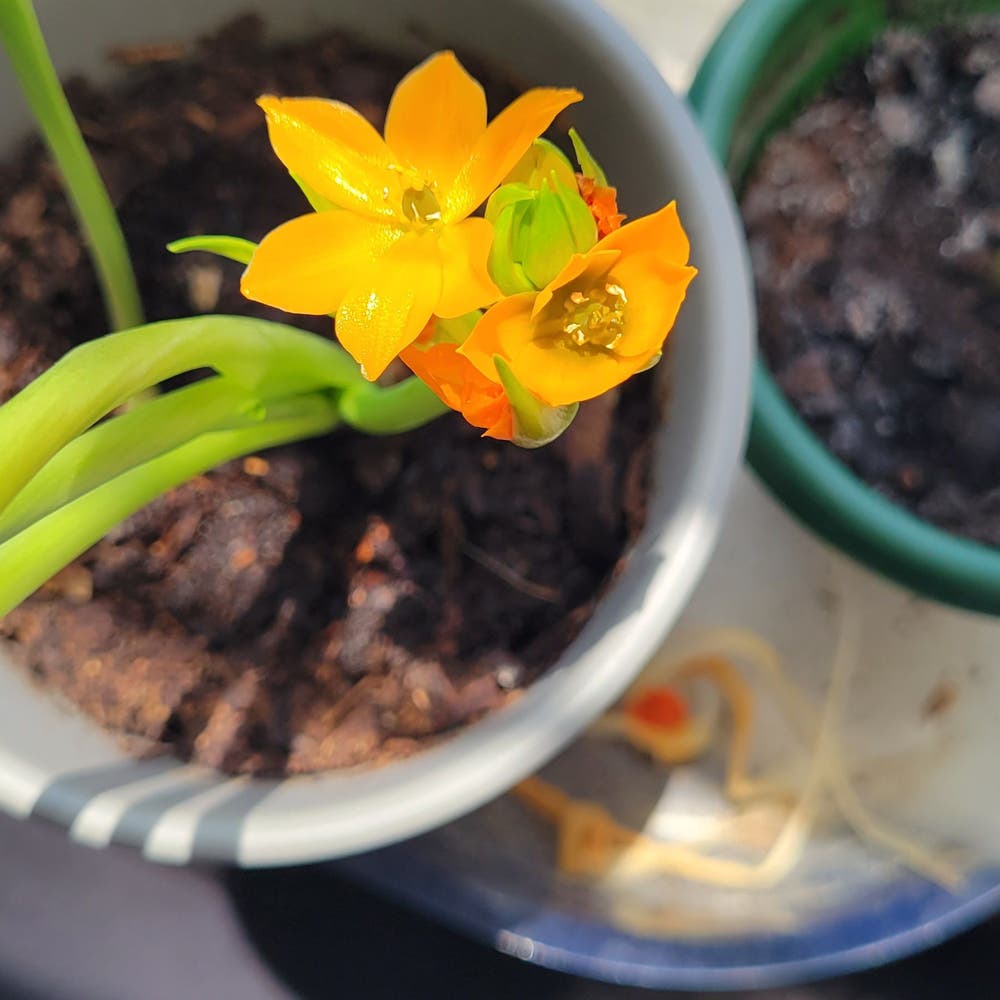
🌟 Propagating Orange Star Plant: Step-by-Step Guide
Ornithogalum dubium
By the Greg Editorial Team
Oct 17, 2024•5 min read
This article was created with the help of AI so we can cover more plants for you. May contain errors. See one? Report it here.
Master the art of propagating Orange Star Plants 🌱 with these simple cutting and division techniques for thriving growth!
- 🌱 Healthy 4-6 inch cuttings are essential for successful Orange Star Plant propagation.
- ✂️ Clean cuts and leaf removal prevent rot, ensuring better rooting conditions.
- 🌞 Bright, indirect light and humidity boost growth; avoid direct sunlight for best results.
Propagating via Cuttings
Step-by-Step Instructions
Select healthy stems: Look for stems that are at least 4-6 inches long. Healthy stems are crucial for successful propagation.
Cut the stem: Use clean, sharp scissors or pruning shears for a precise cut. A clean cut minimizes damage and promotes better rooting.
Remove lower leaves: Strip off the leaves from the bottom 2 inches of the cutting. This helps prevent rot when planting.
Allow to callous: Let the cuttings sit in a dry, shaded area for 1-2 days. This forms a callous over the cut end, reducing the risk of rot.
Apply rooting hormone (optional): Dip the cut end in rooting hormone to encourage faster root development. While optional, it can significantly boost your success rate.
Plant the cutting: Insert the cutting into a well-draining potting mix, burying it about 2 inches deep. Ensure the cutting is stable and upright.
Water lightly: Moisten the soil without soaking it to avoid rot. Overwatering is a common mistake that can jeopardize your cuttings.
📏 Ideal Cutting Size and Conditions
Ideal size: Aim for cuttings that are 4-6 inches long with at least 2-3 leaves. This size provides enough energy for rooting.
Conditions: Maintain warm temperatures around 70°F (21°C) and provide bright, indirect light. These conditions create an ideal environment for growth.
🌱 Rooting Hormone Usage
Benefits: Rooting hormone speeds up root development and reduces the risk of rot. It’s a simple step that can make a big difference.
Application: Just dip the cut end into the hormone before planting. This small action can enhance your propagation success.
By following these steps, you’ll be well on your way to successfully propagating your Orange Star Plant through cuttings. Next, let’s explore how to propagate via division for those looking for a different method.
Propagating via Division
Step-by-Step Instructions 🌱
Prepare the plant: Water the Orange Star Plant a day before division. This helps ease the process and keeps the roots hydrated.
Remove the plant from its pot: Gently pull the plant out, being careful not to damage the roots. A little patience here goes a long way.
Identify divisions: Look for natural separations in the root system. These are your cues for where to divide.
Separate the divisions: Use a clean knife to cut through the roots. Ensure each division has at least one healthy stem and root system for the best chance of survival.
Replant immediately: Place each division into its own pot filled with fresh, well-draining soil. This gives them a fresh start in their new homes.
Best Time for Division 🌼
- Ideal timing: Early spring or early fall is best for division. During these seasons, the plant is actively growing, making it more resilient to the stress of division.
Soil Preparation for Divided Plants 🪴
- Soil requirements: Use a well-draining potting mix. A sandy or cactus mix is ideal, as it mimics the natural conditions these plants thrive in.
By following these steps, you’ll set your Orange Star Plant up for success. Next, let’s explore common challenges you might face during propagation and how to tackle them effectively.
Common Challenges in Propagation
🕵️♂️ Identifying and Solving Root Rot
Root rot can be a sneaky adversary in your propagation journey. Look out for yellowing leaves, mushy stems, and a foul smell emanating from the soil—these are clear signs that something's amiss.
To combat root rot, start by ensuring your soil is well-draining. Reduce your watering frequency and promptly remove any affected cuttings to prevent further spread.
🐜 Dealing with Pests on Cuttings
Pests like aphids and mealybugs can wreak havoc on your cuttings. These tiny invaders can stunt growth and damage your plants if left unchecked.
To control these pests, consider using insecticidal soap or neem oil. Both are effective treatments that can help restore your cuttings to health.
🌱 Ensuring Successful Rooting
Successful rooting is crucial for your propagation efforts. To enhance your chances, maintain humidity around your cuttings by using a plastic bag or humidity dome.
Avoid placing your cuttings in direct sunlight, as this can stress them out. Instead, opt for a bright, indirect light to encourage healthy growth.
With these challenges addressed, you’ll be well on your way to successful propagation. Next, let’s explore the best timing and seasonal considerations for propagating your Orange Star Plant.
Timing and Seasonal Considerations
Best Seasons for Propagation 🌱
Spring and early fall are the prime times for propagating your Orange Star Plant. During these seasons, temperatures are mild, and the plant is actively growing, making it easier for cuttings and divisions to establish roots.
Temperature and Humidity Requirements 🌡️
For optimal rooting, maintain a temperature between 70°F to 75°F (21°C to 24°C). Additionally, aim for moderate humidity levels around 50-60% to create a conducive environment for root development.
By paying attention to these timing and environmental factors, you can significantly enhance your chances of successful propagation. Next, let’s explore the tools and materials you'll need to get started!
Tools and Materials Needed
🔧 Recommended Tools for Propagation
To successfully propagate your Orange Star Plant, you'll need a few essential tools. Start with sharp scissors or pruning shears; these will ensure clean cuts that help prevent damage to the plant.
Next, gather clean pots with drainage holes. Proper drainage is crucial to avoid waterlogged soil, which can lead to root rot. If you're feeling adventurous, consider using rooting hormone. While optional, it can significantly enhance rooting success.
🌱 Soil and Potting Mix Options
Choosing the right soil is vital for healthy growth. A well-draining potting mix designed for succulents or cacti is ideal for your Orange Star Plant. This type of mix mimics the plant's natural habitat, promoting robust root development.
For an extra boost in drainage, consider adding materials like perlite or sand. These additions can help create an airy environment that encourages healthy roots.
With the right tools and materials in hand, you're well on your way to successful propagation. Next, let’s explore the step-by-step instructions for propagating via cuttings.
⚠️ Safety First
This content is for general information and may contain errors, omissions, or outdated details. It is not medical, veterinary advice, or an endorsement of therapeutic claims.
Always consult a qualified healthcare professional before using any plant as food, medicine, or supplement.
Never eat any plant (or feed one to pets) without confirming its identity with at least two trusted sources.
If you suspect poisoning, call Poison Control (800) 222-1222, the Pet Poison Helpline (800) 213-6680, or your local emergency service immediately.
Spotted an error? Please report it here.
Propagating your Orange Star Plant is a breeze 🌿 with Greg's tailored reminders and expert tips to help your cuttings thrive every step of the way!