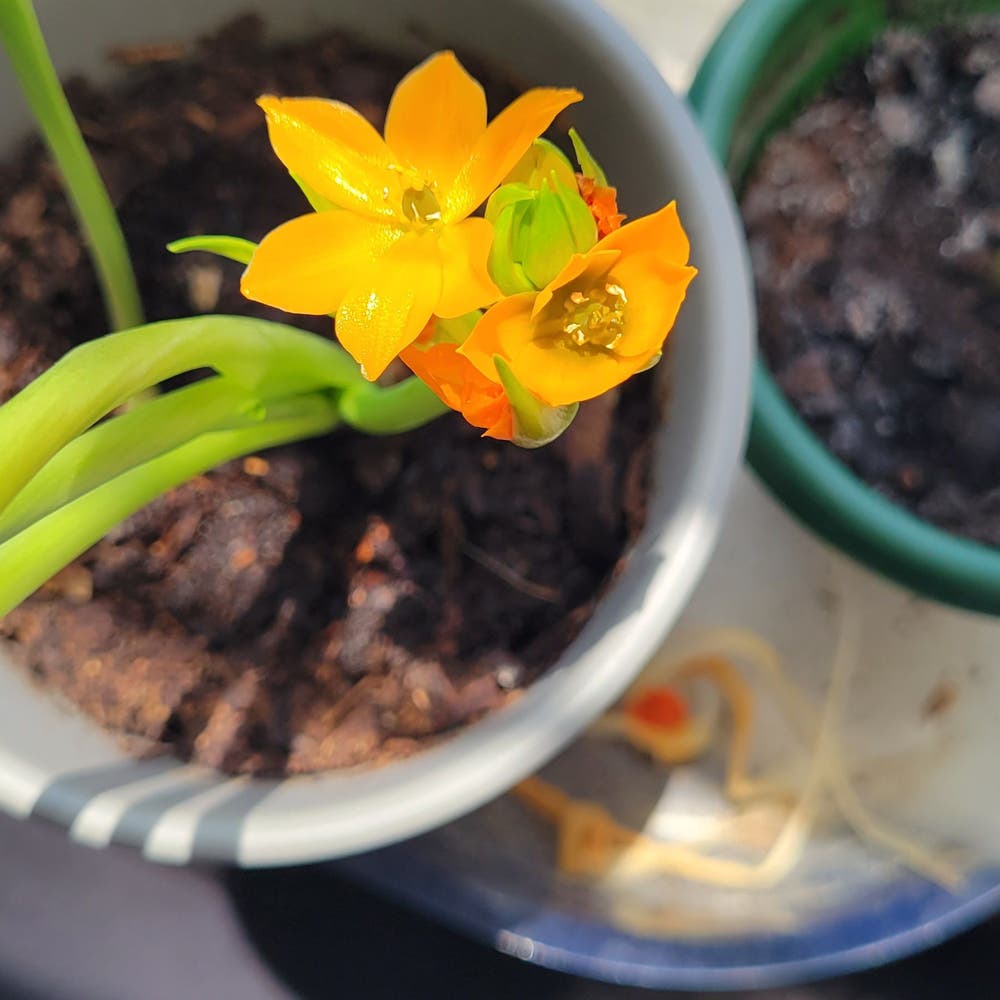
Ultimate Guide to Fixing Droopy Leaves on Orange Star Plant ⭐
Ornithogalum dubium
By the Greg Editorial Team
Oct 17, 2024•6 min read
This article was created with the help of AI so we can cover more plants for you. May contain errors. See one? Report it here.
Transform your droopy Orange Star Plant into a thriving beauty with essential care tips! 🌿
- 💧 Droopy leaves indicate watering issues; adjust for overwatering or underwatering.
- 🌡️ Maintain 65°F to 80°F and high humidity for optimal Orange Star health.
- 🐛 Inspect regularly for pests and fungal infections to prevent droopiness.
Causes of Droopy Leaves
💧 Overwatering and Underwatering
Droopy leaves can often signal issues with watering. Overwatering manifests as yellowing leaves, mushy stems, and a foul smell from the soil, while underwatering leads to dry, crispy leaf edges and wilting.
Maintaining proper watering practices is crucial for keeping soil moisture levels balanced. This ensures your Orange Star Plant thrives without the stress of water-related issues.
🥦 Nutrient Deficiencies
Nitrogen Deficiency
A nitrogen deficiency presents itself through pale green leaves and stunted growth. Nitrogen is vital for overall plant health and leaf vigor, making it essential to monitor nutrient levels.
Potassium Deficiency
On the other hand, a potassium deficiency shows up as browning leaf tips and edges. Potassium plays a key role in water regulation and helps plants resist stress, so keeping it in check is important.
🌪️ Environmental Stress
Temperature
The ideal temperature range for your Orange Star Plant is between 65°F to 80°F (18°C to 27°C). Extreme temperatures can severely affect leaf health, leading to droopiness.
Humidity
High humidity levels, ideally 50% or higher, are crucial for your plant's well-being. Signs of low humidity include leaf curling and droopiness, indicating that your plant may need a more humid environment.
🐛 Pest Infestations
Mealybugs
Mealybugs are identifiable by their white, cotton-like masses on leaves and stems. These sap-sucking pests can weaken your plant, making regular inspections essential.
Spider Mites
Spider mites are tiny, spider-like creatures that often leave webbing behind. They can cause yellowing leaves and reduced vigor, so keeping an eye out for these pests is vital.
🍄 Fungal Infections
Root Rot
Root rot is characterized by wilting despite adequate watering and a foul smell from the roots. It typically results from overwatering and poor drainage.
Early detection is crucial for successful treatment, so be vigilant about your plant's health. Addressing root rot promptly can save your Orange Star Plant from further distress.
Diagnosing Droopy Leaves
👀 Visual Signs to Look For
Droopy leaves can tell you a lot about your orange star plant's health. Look for color changes like yellowing, browning, or dark spots, which can indicate various issues.
Additionally, pay attention to the leaf texture. Softness or crispiness often signals water-related problems, so keep an eye out for these signs.
💧 Soil Moisture Testing
Testing soil moisture is crucial for diagnosing droopy leaves. You can use the finger test—simply insert your finger 1-2 inches into the soil to check for moisture.
The ideal moisture level is slightly moist but not soggy. This balance helps prevent both overwatering and underwatering.
🍃 Leaf Texture and Color Changes
Assessing leaf health is key to understanding your plant's needs. Soft, droopy leaves usually indicate distress, while firm, upright leaves suggest a happy plant.
Monitoring these changes regularly can help you catch issues early. Early detection is vital for effective treatment.
🌡️ Assessing Environmental Conditions
Environmental factors play a significant role in your plant's health. Start by checking temperature and humidity levels to ensure they fall within the ideal range.
Also, evaluate light exposure. Too much direct sunlight can scorch leaves, while too little light can lead to droopiness. Adjusting these conditions can make a world of difference for your orange star plant.
By diagnosing these signs effectively, you can take proactive steps to restore your plant's vigor and prevent further issues. Next, let’s explore how to fix those droopy leaves once you've identified the problem.
Fixing Droopy Leaves
🌊 Adjusting Watering Practices
To revive your orange star plant, start by assessing your current watering schedule. Determine how often and how much you water, as this is crucial for plant health.
Next, adjust your watering based on soil moisture readings. Water only when the top inch of soil is dry to the touch, ensuring your plant receives just the right amount of moisture.
Using well-draining pots is essential to prevent water accumulation. This simple change can make a significant difference in keeping your plant's roots healthy.
🌱 Fertilization Techniques
For optimal growth, consider using a balanced NPK fertilizer. This will provide your plant with the necessary nutrients to thrive.
Apply fertilizer every 4-6 weeks during the growing season. Look for signs of improvement, such as new growth and healthier leaves, as indicators that your plant is responding well.
☀️ Improving Environmental Conditions
Light
Your orange star plant thrives in bright, indirect sunlight. If it’s not getting enough light, consider moving it to a brighter location.
Adjusting its placement can significantly enhance its health and vigor. A little change in light exposure can go a long way.
Humidity
Increasing humidity is vital for your plant's well-being. Use a humidifier or place pebble trays filled with water near your plant to boost moisture levels.
Aim for humidity levels of 50% or higher. Monitoring these levels will help prevent droopy leaves and promote a lush appearance.
🐞 Pest Control Methods
Regular inspections are key to identifying pests early. Look for signs of infestation, such as webbing or cotton-like masses.
If you spot any pests, treatment options include neem oil, insecticidal soap, or introducing beneficial insects. Staying proactive can save your plant from serious damage.
🍄 Treating Fungal Infections
Identifying root rot is crucial for your plant's recovery. Symptoms include wilting despite adequate watering and a foul smell from the roots.
If you suspect root rot, follow these treatment steps:
- Remove affected roots carefully.
- Repot the plant in fresh, well-draining soil.
- Adjust your watering practices to prevent recurrence.
By addressing these issues, you can help your orange star plant regain its vitality and prevent future droopiness. With the right care, your plant will flourish and bring beauty to your space.
Preventing Future Issues
🌊 Best Practices for Watering
Establishing a consistent watering schedule is crucial. Always base it on soil moisture to ensure your Orange Star Plant thrives.
Using pots with drainage holes is essential. This prevents waterlogging, which can lead to root rot and droopy leaves.
🔍 Regular Soil Checks
Inspecting soil moisture levels weekly can save your plant from distress. A simple finger test can help you gauge when it's time to water.
Replacing soil every 1-2 years keeps nutrient levels optimal. Fresh soil supports healthy growth and prevents nutrient deficiencies.
🌱 Seasonal Care Adjustments
Adjust your watering and fertilization routines with the changing seasons. Plants often need less water in winter, so monitor their needs closely.
Keep an eye on temperature and humidity during colder months. This ensures your plant remains comfortable and healthy.
🐛 Monitoring for Pests
Regular inspections are key for early pest detection. Look for any unusual signs like webbing or sticky residue on leaves.
Implement preventive measures, such as cleaning leaves regularly. This helps maintain plant health and reduces the risk of infestations.
🌾 Choosing the Right Potting Mix
Opt for a well-draining potting soil mixed with perlite or sand. This combination promotes healthy root growth and prevents water retention.
Proper drainage is vital for root health. A good potting mix can make all the difference in keeping your Orange Star Plant vibrant.
By following these preventive measures, you can enjoy a thriving Orange Star Plant. Next, let’s explore how to diagnose droopy leaves effectively.
⚠️ Safety First
This content is for general information and may contain errors, omissions, or outdated details. It is not medical, veterinary advice, or an endorsement of therapeutic claims.
Always consult a qualified healthcare professional before using any plant as food, medicine, or supplement.
Never eat any plant (or feed one to pets) without confirming its identity with at least two trusted sources.
If you suspect poisoning, call Poison Control (800) 222-1222, the Pet Poison Helpline (800) 213-6680, or your local emergency service immediately.
Spotted an error? Please report it here.
Revive your droopy Orange Star Plant by mastering watering and humidity 💧 with Greg's personalized care tips and moisture testing reminders for vibrant growth!