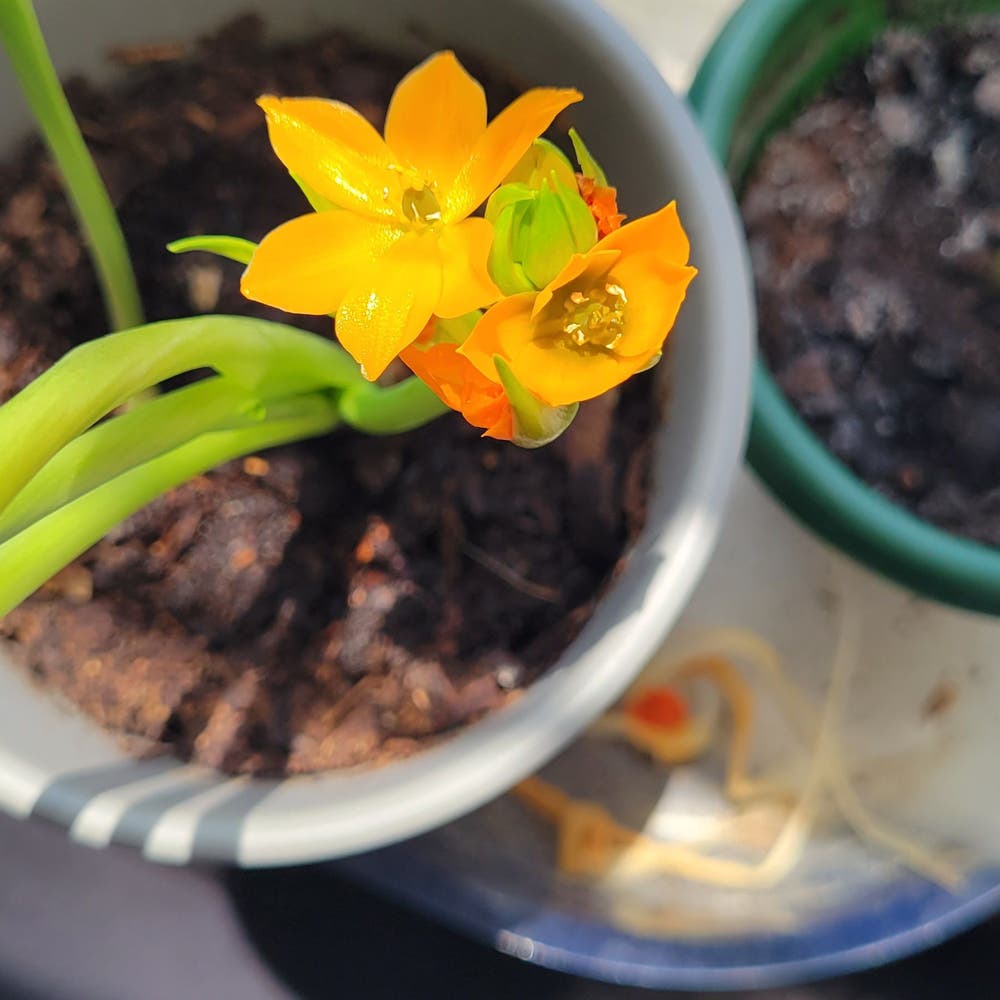
When and Where Should I Trim My Star of Bethlehem?
Ornithogalum dubium
By the Greg Editorial Team
Jun 18, 2024•4 min read
This article was created with the help of AI so we can cover more plants for you. May contain errors. See one? Report it here.
Ensure a vibrant Star of Bethlehem by pruning post-bloom—your secret to a flourishing display! 🌟✂️
- Prune post-bloom for energy redirection to roots and leaves.
- Adjust to climate: Time pruning with dormancy and growth cycles.
- Dispose responsibly: Prevent regrowth by bagging and discarding clippings.
Best Timing for Pruning Star of Bethlehem
🌼 After the Bloom: Why Post-Flowering is Prime Time
Post-flowering is the golden hour for pruning your Star of Bethlehem. This is when the plant's energy shifts from sustaining blooms to bolstering roots and leaves. Snip after the final flower wilts to encourage robust growth for the next season.
💤 Dormancy Dynamics: Leveraging the Plant's Rest Period
The dormancy phase is like the plant's weekend—it's time to rest and recharge. Pruning should wait until dormancy kicks in. Once the leaves brown, it's safe to remove them. This helps redirect the plant's energy to the bulbs, setting the stage for a vibrant comeback.
🌱 Seasonal Sensitivity: Adapting to Climate and Growth Cycles
Your Star of Bethlehem doesn't care about your calendar—it responds to nature's cues. Climate dictates the timing of growth cycles. In cooler regions, dormancy might begin earlier, so adjust your pruning schedule accordingly. And remember, always use sharp tools to avoid damaging your plant.

Where to Make the Cut
🌸 Targeting Trouble: Removing Spent Blooms and Crowded Clumps
After the Star of Bethlehem has shown off its blooms, it's time to get down to business. Spent blooms should be your first target; they're energy zappers, hogging resources that could fuel fresh growth. Snip them off to redirect the plant's efforts. Next, tackle the crowded clumps. These botanical mosh pits stifle individual flair and can lead to a less healthy plant. Give each bulb room to breathe by thinning out the throng.
✂️ Shaping Up: Strategies for a Visually Pleasing Plant
Let's talk aesthetics. The Star of Bethlehem has a natural allure, but without a bit of guidance, it can go rogue. Strategic cuts can maintain the plant's form and encourage a bushier, more robust appearance. Aim for a shape that complements your garden's vibe—whether that's a neat geometric form or a more relaxed, natural look. Remember, you're the artist here, and your shears are the paintbrush.
🚫 Invasive Interventions: Keeping Growth in Check
Invasive? Yes, the Star of Bethlehem can be a bit of a space invader. Keep its territorial ambitions in check with regular pruning. This isn't just about playing nice with the neighbors; it's about preventing your garden from turning into a Star of Bethlehem-themed amusement park. Cut back any shoots that are making a break for it, especially those heading for paths or other plant beds. Your garden, your rules.

Pruning Techniques and Tools
🔪 Getting Equipped: Choosing the Right Tools for the Job
Pruning your Star of Bethlehem starts with sharp tools. Opt for pruning shears or scissors that fit comfortably in your hand. Ensure they're clean to prevent disease spread—a quick dip in rubbing alcohol works wonders. For tougher stems, lopping shears are your muscles' best friend.
✂️ Making the Cut: Step-by-Step Pruning Methods
When it's time to snip, precision is your guiding principle. Target just above leaf nodes at a 45-degree angle to encourage proper healing. Remember, you're giving your plant a haircut, not a buzz cut—trim no more than 25% of the foliage. Step back frequently to assess your work; it's about maintaining balance and encouraging healthy growth.
🗑️ Clean-Up Crew: What to Do with the Clippings
Post-prune, gather the clippings and dispose of them responsibly. Don't let them linger; even the most innocent-looking cutting can take root and become invasive. If composting, ensure your pile reaches high enough temperatures to prevent any regrowth from the pruned material.

Keeping It Tidy: Disposal and Regrowth Prevention
🗑️ Responsible Removal: Disposing of Pruned Material Safely
Pruning your Star of Bethlehem leaves you with a pile of green waste. It's not just about aesthetics; it's about plant health. Compost the trimmings if they're disease-free. If they're not, chuck them in the trash to avoid contaminating your compost pile or other plants. Check local regulations—some places are picky about green waste disposal.
🚫 Regrowth Resistance: Ensuring Trimmings Don't Take Root
Beware: those innocent-looking cuttings can sprout anew, turning your tidy garden into a jungle. To prevent this, don't leave trimmings on the soil. If you're composting, make sure it's hot enough to nix any potential regrowth. Otherwise, bag 'em and bin 'em. It's like garden hygiene—skip it, and you'll regret it.
⚠️ Safety First
This content is for general information and may contain errors, omissions, or outdated details. It is not medical, veterinary advice, or an endorsement of therapeutic claims.
Always consult a qualified healthcare professional before using any plant as food, medicine, or supplement.
Never eat any plant (or feed one to pets) without confirming its identity with at least two trusted sources.
If you suspect poisoning, call Poison Control (800) 222-1222, the Pet Poison Helpline (800) 213-6680, or your local emergency service immediately.
Spotted an error? Please report it here.
Keep your Star of Bethlehem 🌟 thriving with precise pruning times from Greg, ensuring a vibrant and controlled garden without the guesswork.