✨ What Does It Mean When Star of Bethlehem Blooms?
Ornithogalum dubium
By the Greg Editorial Team
Jun 18, 2024•5 min read
This article was created with the help of AI so we can cover more plants for you. May contain errors. See one? Report it here.
Unearth the magic 🌟 behind Star of Bethlehem's blooms and their enduring symbols of hope.
- 🌟 Blooms April to June, symbolizing hope and new beginnings.
- Sunlight and proper soil are essential; grow lights and balanced fertilizer can help.
- Troubleshoot non-blooming by checking light, water, and nutrients.
When Star of Bethlehem Puts on a Show: Blooming Season and Flower Characteristics
🌼 Spotting the Signs of Upcoming Blooms
As the Star of Bethlehem gears up for its grand floral display, sharp-eyed gardeners can spot the telltale signs. Succulent leaves with a white center vein begin to look more vibrant, and a sense of anticipation builds.
🌸 The Main Event: Blooming Season
April to June marks the calendar for the Star of Bethlehem's blooming season. This is the time when gardeners are rewarded with the plant's performance, as it showcases its pristine, star-shaped flowers.
🌺 A Closer Look at the Blooms
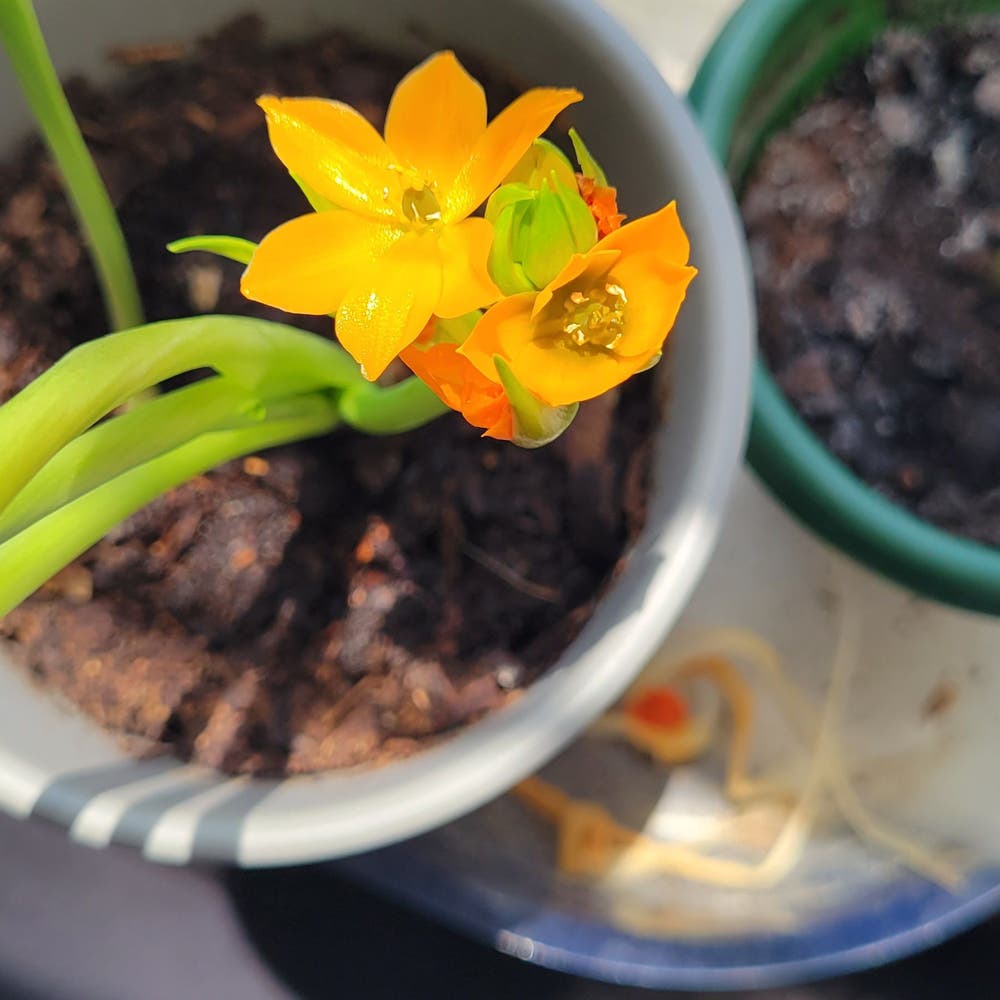
Each bloom is a marvel, with 3 sepals and 3 petals collectively forming an attractive star shape. The flowers boast a bright white upper surface, accented with subtle green lines on the underside—nature's own masterpiece.

The Recipe for Perfect Blooms: Light, Soil, and Nutrients
🌞 Sunlight: The Ultimate Bloom Booster
Sunlight is non-negotiable for the Star of Bethlehem's show-stopping blooms. Full spectrum grow lights can fill in when the sun plays hard to get, but nothing beats the real deal. Use timers to mimic natural day-night cycles, because your plant doesn't have a snooze button.
Soil and Supper: Feeding for Flowers
The right soil mix for your Star of Bethlehem is like a bespoke suit; it needs to fit just right. Aim for loamy, well-drained soil that's the botanical equivalent of a cozy bed. Fertilize with a balanced blend, rich in phosphorus, to encourage blooming. But remember, overfeeding is the fast track to a floral flop—moderation is key.

Water and Climate: Fine-Tuning for Flowering
💧 Water Wisdom: Quenching Thirst Without Drowning Dreams
Watering your Star of Bethlehem is less about sticking to a strict schedule and more about reading the room—or in this case, the soil. Over-watering is like giving your plant floaties when it's just trying to dip its toes. Conversely, under-watering turns your garden into a desert mirage where blooms are just a hallucination. The trick is to touch the soil; it should feel like a wrung-out sponge, moist but not soggy.
🌡️ Climate Control: Warmth and Humidity for Happy Blooms
Your Star of Bethlehem doesn't need a sauna to thrive, but it does appreciate some warmth. Think of it as a Goldilocks scenario: not too hot, not too cold. Aim for a cozy spot where the temperature is just right. Humidity, on the other hand, is a balancing act. Too much, and you're in a tropical storm; too little, and it's the Sahara. Use a humidifier or a pebble tray to up the humidity if your air is drier than a stand-up comedian's wit. Remember, good airflow is crucial to prevent your plant from developing the botanical equivalent of athlete's foot.

When Blooms Are Bashful: Troubleshooting Flowering Frustrations
🕵️♂️ The No-Show Dilemma: Why Isn't My Plant Blooming?
Detective work is essential when your Star of Bethlehem refuses to bloom. First, assess the light exposure; these plants love a good sunbath. If it's hiding in the shade, it's time to find a sunnier spot. Next, consider watering habits. Overzealous watering can lead to root issues, while too little leaves plants parched. Strike a balance to avoid drowning or desertifying your plant. Nutrient deficiency is another common culprit. A balanced fertilizer might just be the kick your plant needs to get into the blooming spirit.
🌱 Reviving the Will to Bloom
If your Star of Bethlehem is still playing hard to get, consider its age. Patience is key, as some plants are late bloomers. Ensure that the soil quality is up to par—poor soil can be a dream crusher for flowers. Don't forget to check for environmental stress; plants are sensitive to their surroundings. Sometimes, all it takes is a little pruning to encourage growth. Remember, it's not a sprint; it's a marathon. Keep at it, and with time, your Star of Bethlehem should grace you with its presence.
Beyond Beauty: The Deeper Meaning of Blooming
🌟 Blooms That Speak: Symbolism and Cultural Ties
The Star of Bethlehem flower isn't just a pretty face in the garden; it's a storyteller with roots deep in symbolism.
🕵️ Unearthing Symbolic Meanings
Each petal of this plant is steeped in cultural significance, echoing tales of hope and purity. In Christian lore, the flower is said to have sprung from the tears of Mary during the flight to Egypt, making it a symbol of consolation.
💬 A Floral Language
Beyond its biblical ties, the Star of Bethlehem speaks a silent language of flowers, a form of communication popular in the Victorian era. Its bright, star-like blossoms could be interpreted as a message of forgiveness or a beacon of hope in dark times.
🏆 Longevity in Lore and Life
Not only rich in meaning, but the Star of Bethlehem also boasts a practical edge. Its cut flowers can last up to a month in arrangements, bridging the gap between ephemeral beauty and enduring symbolism.
🌍 A Global Gesture
Across cultures, flowers carry a universal language of emotion and the Star of Bethlehem is no exception. It's a floral nod to new beginnings and a testament to resilience, thriving in a variety of conditions.
📜 The Takeaway
So next time you spot a Star of Bethlehem, remember it's more than just botanical bling. It's a historical emblem with a tale as timeless as the stars it resembles.
⚠️ Safety First
This content is for general information and may contain errors, omissions, or outdated details. It is not medical, veterinary advice, or an endorsement of therapeutic claims.
Always consult a qualified healthcare professional before using any plant as food, medicine, or supplement.
Never eat any plant (or feed one to pets) without confirming its identity with at least two trusted sources.
If you suspect poisoning, call Poison Control (800) 222-1222, the Pet Poison Helpline (800) 213-6680, or your local emergency service immediately.
Spotted an error? Please report it here.
Nurture your Star of Bethlehem to a hopeful bloom 🌟 with Greg's support, balancing light, water, and nutrients for a vibrant spring display.