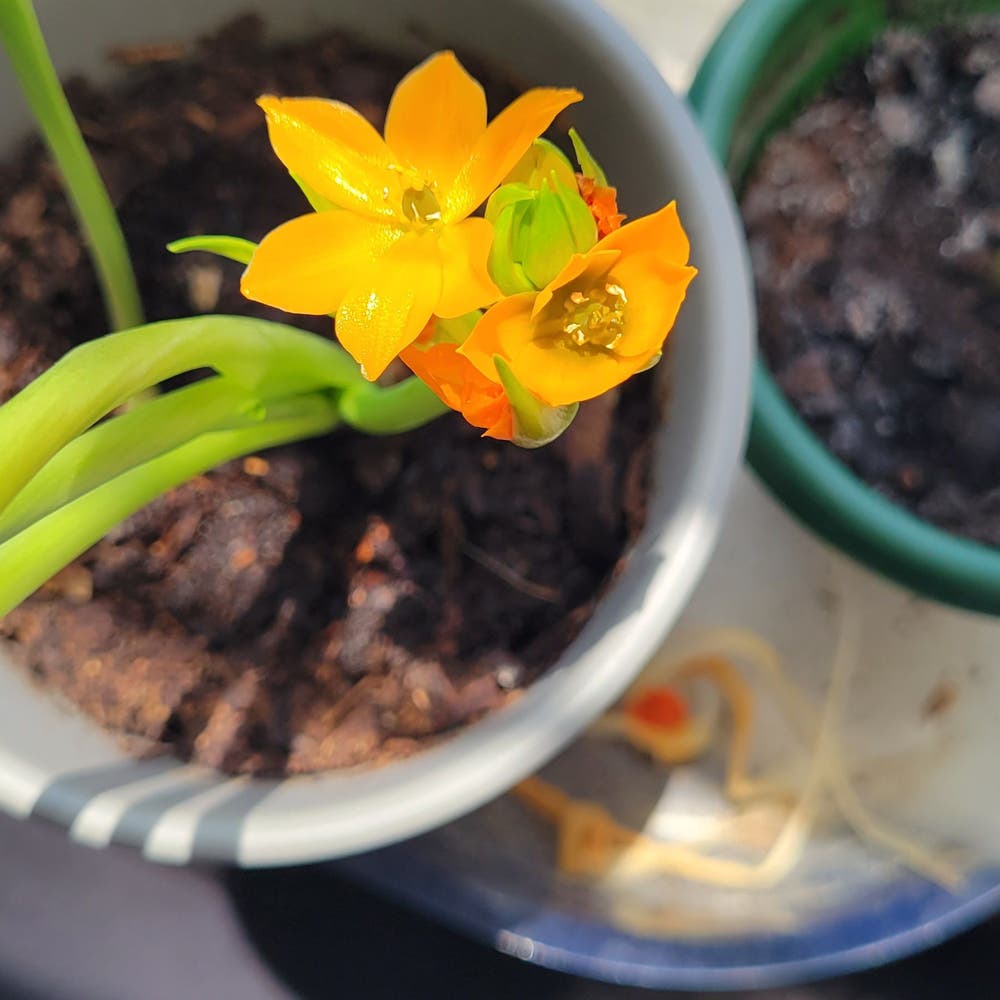
Best Potting Soil Mix for Star of Bethlehem
Ornithogalum dubium
By the Greg Editorial Team
Jun 18, 2024•4 min read
This article was created with the help of AI so we can cover more plants for you. May contain errors. See one? Report it here.
Nurture a thriving Star of Bethlehem 🌟 with this definitive guide to the perfect potting soil mix.
- Mold and compaction signal soil distress; fix with better drainage and airflow.
- DIY mix: 1 part garden soil, 1 part perlite, 1 part compost.
- Sterilize soil by baking with a potato to prevent pests and diseases.
Spotting Trouble: When Soil Goes Bad
🚨 Signs Your Star of Bethlehem is Unhappy with Its Soil
- Moldy soil indicators: A white fuzz or a musty odor in your Star of Bethlehem's pot is a distress signal. It's screaming, "Too wet here!"
- Compaction and poor drainage symptoms: If the soil feels like last year's fruitcake—hard and unyielding—your plant's roots are probably throwing an SOS.
Turning Things Around for Your Star of Bethlehem
- Mold management techniques: Cut back on the H2O, boost airflow, and let there be light! In worst cases, a soil transplant might be the only way to save your plant.
- Improving drainage and aeration: If your pot's more swamp than sanctuary, mix in some perlite or coarse sand. Ensure your pot has drainage holes; they're not just there for their good looks.

Crafting the Perfect Commercial Soil Mix
🌱 What to Look for on the Bag
When hunting for commercial soil, organic matter is your non-negotiable. It's the VIP of the potting mix party, offering moisture retention and pH balance. Peat moss and compost are your go-to guests. But don't let the mix get too clingy; drainage is key. Ingredients like perlite and pumice should be listed to ensure your Star of Bethlehem doesn't end up with wet feet.
🎨 Customizing Store-Bought Mixes
Sometimes, a commercial mix needs a personal touch. If your Star of Bethlehem is sending out SOS signals, it's time to intervene. Perlite is your ally against compaction, and a dash of sand can improve drainage. For those who like their soil on the acidic side, a sprinkle of peat moss can help. It's like being a soil DJ—mix and match until you hit the perfect beat for your plant's roots.

Mixing It Up: Your DIY Star of Bethlehem Soil
🌱 The Recipe for Success
Creating your own potting mix for Star of Bethlehem can be a rewarding endeavor. A balanced blend consists of one part garden soil, one part perlite, and one part compost. This trio works in concert to provide structure, aeration, and nutrients. The garden soil is the backbone, offering a familiar texture and weight. Perlite keeps the mix light and airy, preventing compaction. Compost infuses the mix with organic matter, delivering a buffet of nutrients to your plants.
🔥 Sterilization: The Secret Ingredient
Before you get too excited about playing in the dirt, remember that sterilization is your secret weapon against unwanted pests and diseases. Pasteurize your mix by baking it in the oven. Here's the drill: spread your soil on a baking sheet, tuck a potato in there (yes, a potato), and bake at 350°F (175°C) for about 45 minutes. When the potato is done, so is your soil. This process doesn't annihilate all life forms but takes out the troublemakers, leaving behind a clean slate for your Star of Bethlehem.

Maintaining Your Star of Bethlehem's Soil Sanctuary
🕵️ Regular Check-ups and Tune-ups
Monitoring your Star of Bethlehem's soil is like being a detective on a stakeout; you're on the lookout for clues of distress. Check the soil monthly for compaction, poor drainage, or any signs of mold. If the soil clings together in a dense lump, it's whispering (or rather, shouting) for help. Get in there and fluff it up to reintroduce air flow.
Texture and moisture levels are your soil's vital signs. It should feel like a sponge that's been wrung out, not a sopping wet towel. If it's too dry, it's time to water. Too wet? You might need to improve drainage or adjust your watering habits.
Organic matter is your secret weapon. Mix in compost to keep the soil nutrient-rich. This isn't just good practice; it's a lifeline for your plants.
🌱 When to Refresh and Repot
Overcrowding is the silent killer of potted plants. If your Star of Bethlehem is bursting at the seams, it's time to give it a new home.
Roots circling the bottom of the pot? They're screaming for space. Gently repot into a larger abode with fresh soil to prevent them from choking.
Annual repotting isn't always necessary, but a soil refresh every couple of years is like a spa day for your plant's roots. They'll repay you with vigorous growth.
Seasonal changes can signal it's time for a soil switcheroo. As temperatures shift, so do your plant's needs. Keep an eye out for these changes and be ready to act.
Remember, the right soil maintenance routine is less about sticking to a strict schedule and more about observing and responding to your plant's needs. Stay vigilant, and your Star of Bethlehem will thrive.
⚠️ Safety First
This content is for general information and may contain errors, omissions, or outdated details. It is not medical, veterinary advice, or an endorsement of therapeutic claims.
Always consult a qualified healthcare professional before using any plant as food, medicine, or supplement.
Never eat any plant (or feed one to pets) without confirming its identity with at least two trusted sources.
If you suspect poisoning, call Poison Control (800) 222-1222, the Pet Poison Helpline (800) 213-6680, or your local emergency service immediately.
Spotted an error? Please report it here.
Nurture your Star of Bethlehem to flourish 🌟 with Greg's custom watering schedules and soil check-up reminders, ensuring your potting mix is always on point.