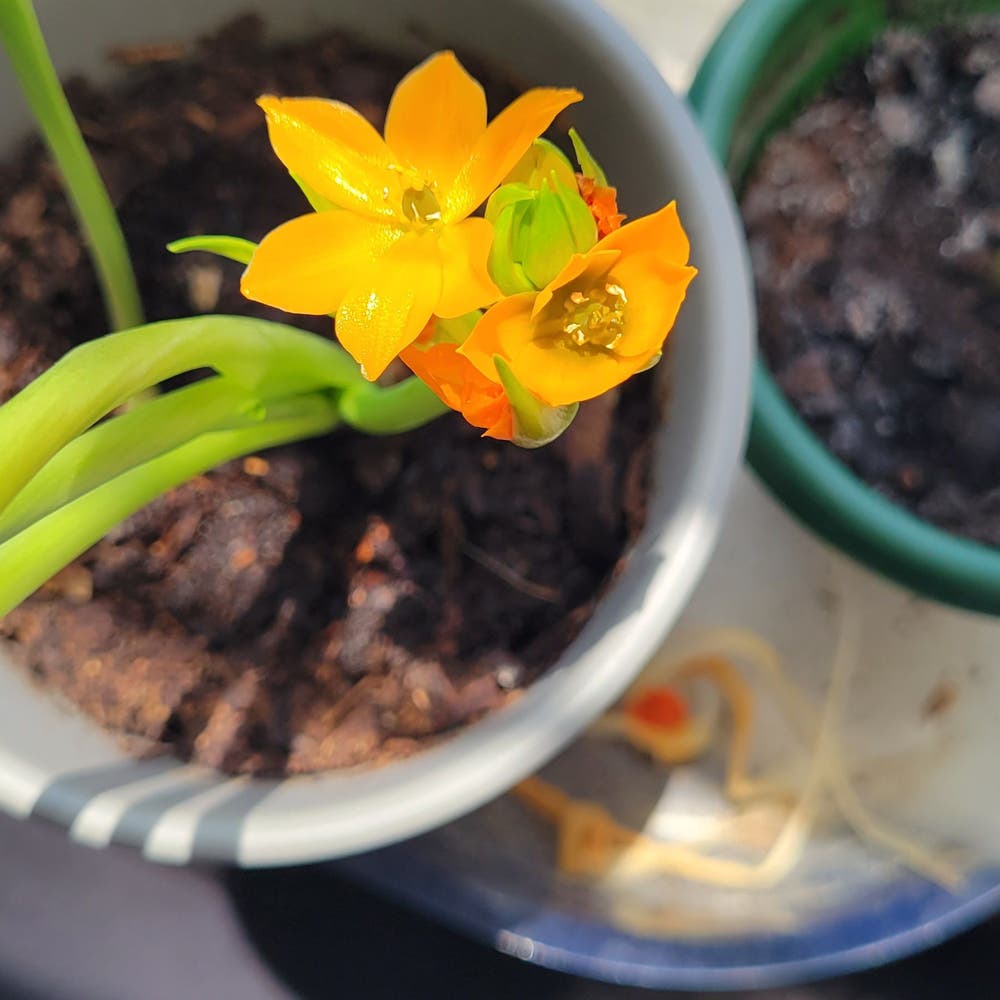
☀️ 6 Tips for Blooming Your Sunstar Flower
Ornithogalum dubium
By the Greg Editorial Team
Oct 16, 2024•4 min read
This article was created with the help of AI so we can cover more plants for you. May contain errors. See one? Report it here.
Unlock the vibrant blooms of Sunstar Flowers 🌼 with essential tips to enhance your garden's beauty!
- 🌼 Sunstar Flowers bloom vibrantly in yellow, red, and purple, enhancing any garden.
- 🌞 Full sun is ideal for growth, but they tolerate partial shade too.
- 🌱 Low maintenance and self-pollinating, perfect for busy gardeners and limited pollinator areas.
Flowering Status
The Sunstar Flower is indeed a flowering plant, known for its vibrant blooms that can brighten any garden. If you're wondering about its flowering capabilities, rest assured that it produces beautiful flowers that are a delight to behold.
However, some plants may not flower due to specific reasons. For instance, certain varieties might be primarily cultivated for their lush foliage rather than their blooms. Understanding these distinctions can help you appreciate the Sunstar Flower's unique contributions to your garden.
In summary, while the Sunstar Flower does produce flowers, it's essential to recognize that not all plants in this category will do so. Some may focus more on foliage, making them equally valuable in landscaping.
If Sunstar Flower Does Flower
🌼 Flower Characteristics
Description
Sunstar Flowers are a visual delight, showcasing vibrant hues like yellows, reds, and purples. Their star-shaped blooms feature multiple petals, often forming an eye-catching flower spike.
Pollination
These flowers are self-pollinating, meaning they can produce seeds without needing external pollination. This trait makes them resilient and easy to care for in various gardening conditions.
🌸 Blooming Process
Stages of Blooming
The blooming process begins with initial bud formation, where small buds appear, signaling the start of the flowering journey. Typically, the bloom season lasts from late spring to early summer, with flowers gradually opening over several weeks.
Duration from Bud Formation to Full Bloom
On average, it takes about 4 to 6 weeks for buds to develop into full blooms. This timeframe can vary based on environmental conditions and care.
Lifespan of Flowers
Once in full bloom, Sunstar Flowers usually last for about 2 to 4 weeks. Their vibrant colors can brighten any garden during this period.
🌱 Encouraging Blooms
Tips
- Optimal light conditions: Sunstar Flowers thrive in full sun but can tolerate partial shade.
- Soil requirements: They prefer well-drained soil rich in nutrients to support healthy growth.
- Watering schedule: Consistent moisture is key; avoid waterlogging to prevent root rot.
Factors Influencing Flowering
Environmental factors like temperature, humidity, and seasonal changes can significantly influence flowering. Keeping these conditions in check will help ensure a robust blooming season.
🌙 Post-Flowering
What Happens After Flowering
After flowering, the plant enters a resting phase, where it conserves energy for future growth. This period is crucial for the overall health of the Sunstar Flower.
Does Sunstar Flower Die After Flowering?
No, the Sunstar Flower does not experience a death bloom. Instead, it continues to thrive, preparing for the next blooming cycle.
This resilience makes it a fantastic addition to any garden, promising beauty year after year.
Unique Aspects
🌼 Characteristics Related to Flowering or Non-Flowering Nature
The Sunstar Flower is notable for its unique adaptations that differentiate it from other flowering plants. While many plants focus on vibrant blooms, the Sunstar often prioritizes its striking foliage, making it a popular choice for gardeners seeking visual interest year-round.
This plant thrives in various environments, showcasing resilience in both flowering and non-flowering states. Its ability to adapt to different light conditions and soil types allows it to flourish, whether it’s in full bloom or simply displaying its lush leaves.
🤓 Interesting Facts
Did you know that the Sunstar Flower has a fascinating reproductive strategy? It can self-pollinate, which means it doesn’t always rely on external pollinators. This trait is particularly advantageous in environments where pollinators may be scarce.
In gardening and landscaping, the Sunstar Flower is celebrated for its versatility. Its vibrant colors and unique structure can enhance any garden, making it a favorite among both novice and experienced gardeners. Plus, its low maintenance needs make it an ideal choice for busy plant lovers.
With these unique characteristics and interesting facts, the Sunstar Flower stands out as a remarkable addition to any garden. As we explore further, let’s dive into the specifics of its flowering process.
⚠️ Safety First
This content is for general information and may contain errors, omissions, or outdated details. It is not medical, veterinary advice, or an endorsement of therapeutic claims.
Always consult a qualified healthcare professional before using any plant as food, medicine, or supplement.
Never eat any plant (or feed one to pets) without confirming its identity with at least two trusted sources.
If you suspect poisoning, call Poison Control (800) 222-1222, the Pet Poison Helpline (800) 213-6680, or your local emergency service immediately.
Spotted an error? Please report it here.
Get your Sunstar Flowers to bloom brilliantly 🌼 with Greg's tailored care tips and watering reminders, ensuring vibrant colors light up your garden all season long!