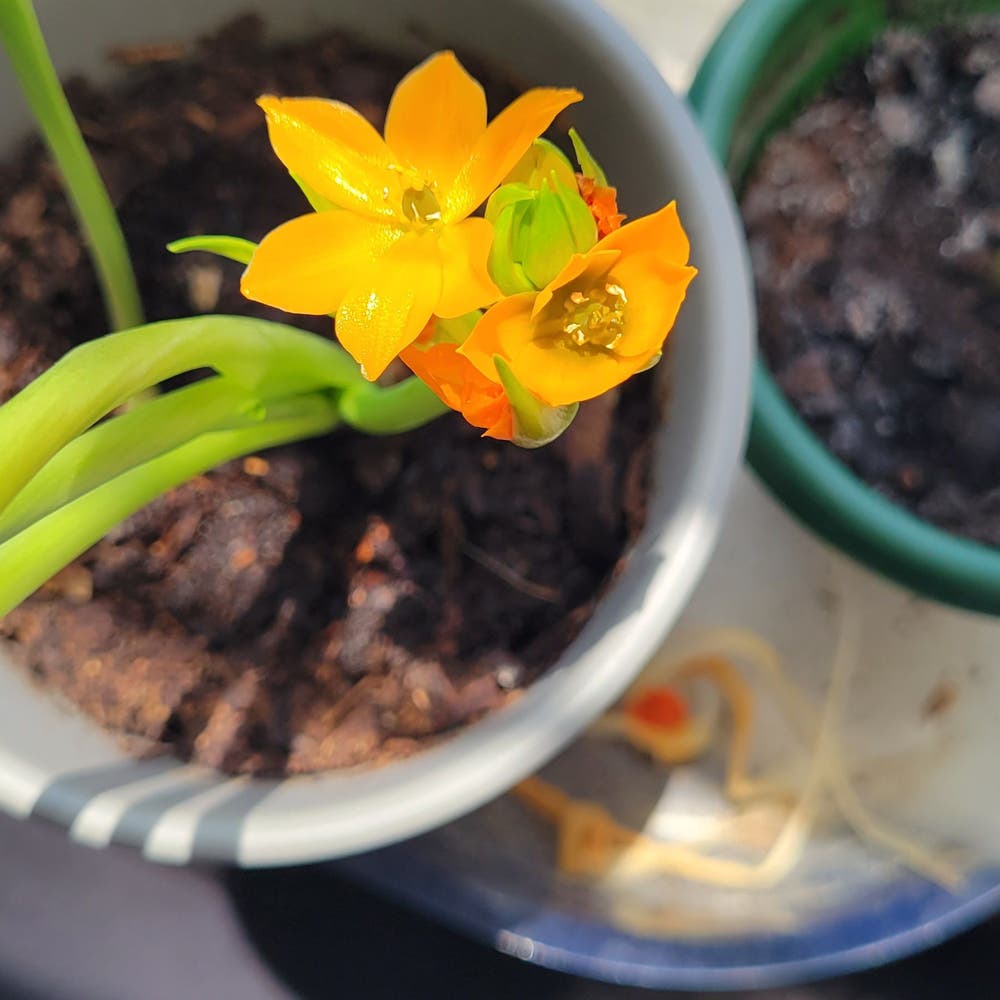
5 Common Bugs That Eat Sunstar Flower 🐛
Ornithogalum dubium
By the Greg Editorial Team
Oct 16, 2024•7 min read
This article was created with the help of AI so we can cover more plants for you. May contain errors. See one? Report it here.
Keep your Sunstar Flower thriving 🌼 by mastering pest control techniques for vibrant, healthy blooms!
- 🐞 Spider mites, scale insects, and mealybugs are common pests of Sunstar Flowers.
- 🌱 Prevent infestations by maintaining plant health and practicing good garden hygiene.
- 🦋 Beneficial insects like ladybugs can help control harmful pest populations effectively.
Common Pests Affecting Sunstar Flower
🕷️ Spider Mites
Identification
Spider mites are tiny, spider-like creatures that can be red or green. Look for fine webbing on leaves and stippled or yellowing foliage as signs of their presence.
Damage Caused
These pests can cause significant leaf discoloration and drop. Additionally, they reduce the overall vigor and flowering of your Sunstar Flower.
Treatment Options
For chemical treatments, use miticides specifically designed for spider mites. Organic options include neem oil, insecticidal soap, and increasing humidity around the plant.
🐞 Scale Insects
Identification
Scale insects appear as small, oval-shaped pests, often brown or white. Sticky leaves and a waxy coating on stems are telltale signs of an infestation.
Damage Caused
They suck sap from the plant, leading to yellowing leaves and stunted growth. Their honeydew excretion can also promote sooty mold growth.
Treatment Options
Chemical treatments involve systemic insecticides. For organic solutions, try rubbing alcohol on a cotton swab or insecticidal soap.
🐛 Mealybugs
Identification
Mealybugs look like white, cottony masses on stems and leaves. You may notice sticky residue and leaf drop as indicators of their presence.
Damage Caused
These pests weaken the plant, resulting in reduced growth. They can also lead to secondary infections from sooty mold.
Treatment Options
Chemical options include insecticides targeting soft-bodied insects. Organic treatments involve neem oil, insecticidal soap, and manual removal.
🐜 Aphids
Identification
Aphids are small insects that can be green, black, or yellow, often clustered on new growth. Signs include curling leaves and sticky residue known as honeydew.
Damage Caused
They stunt growth and deform leaves, and can even transmit plant viruses. Their presence can severely affect the health of your Sunstar Flower.
Treatment Options
For chemical control, use broad-spectrum insecticides. Organic alternatives include introducing ladybugs, neem oil, and insecticidal soap.
🦋 Whiteflies
Identification
Whiteflies are tiny, moth-like insects that gather on the undersides of leaves. Look for yellowing leaves and honeydew excretion as signs of infestation.
Damage Caused
These pests weaken the plant and reduce photosynthesis, potentially leading to sooty mold growth. Their impact can be detrimental to your Sunstar Flower's health.
Treatment Options
Chemical treatments should target whiteflies specifically. Organic methods include using yellow sticky traps, insecticidal soap, and natural predators.
🐞 Weevils
Identification
Weevils are small, elongated beetles with a distinctive snout. You may notice holes in leaves and potential leaf drop as signs of their activity.
Damage Caused
They chew on leaves, causing aesthetic damage and potentially weakening the plant. Their presence can compromise the overall health of your Sunstar Flower.
Treatment Options
Chemical treatments involve insecticides specifically for beetles. For organic control, handpicking and neem oil can be effective.
🦟 Fungus Gnats / Fruit Flies
Identification
Fungus gnats are small, dark flies that hover near the soil. Their larvae can be found in the soil, causing root damage.
Damage Caused
These pests weaken young plants and their root systems, leading to potential fungal infections. Their presence can be particularly harmful to seedlings.
Treatment Options
Chemical solutions include soil drench insecticides. Organic methods involve allowing the soil to dry out and introducing beneficial nematodes.
Understanding these common pests is crucial for maintaining the health of your Sunstar Flower. With early detection and appropriate treatment, you can keep your plants thriving and beautiful. Next, let’s explore natural pest resistance and how it can benefit your garden.
Pest Resistance
🌼 Natural Pest Resistance
Sunstar flowers possess inherent traits that make them more resilient against pests. Their robust structure and vibrant blooms can deter some unwanted visitors.
One key factor contributing to this resistance is the presence of nectar-rich flowers. These attract beneficial insects, like ladybugs and lacewings, which naturally keep pest populations in check.
🐌 Pests Less Likely to Affect Sunstar Flower
While many pests can target sunstar flowers, some are less likely to cause significant issues. For instance, common garden pests like slugs and snails tend to avoid these resilient blooms.
Additionally, certain types of caterpillars and beetles may show little interest in sunstar flowers, allowing them to thrive with minimal intervention. This natural resistance can be a gardener's best friend, providing peace of mind and a flourishing garden.
Understanding these aspects of pest resistance not only helps in maintaining healthy plants but also encourages a more sustainable approach to gardening. With this knowledge, you can focus on nurturing your sunstar flowers while keeping an eye out for the more troublesome pests.
Next, let’s explore effective prevention strategies to keep your sunstar flowers thriving.
Prevention
🛡️ Preventative Measures
Regular monitoring is key to keeping your Sunstar Flower healthy. By checking your plants frequently, you can catch any pest issues early and intervene before they escalate.
Maintaining healthy plants is crucial for pest resistance. Strong, well-cared-for plants are less likely to attract pests and can better withstand any infestations that do occur.
🧼 Plant Hygiene and Inspection Routines
Clean tools and pots are essential to prevent pest transfer. Always sanitize your gardening equipment to avoid introducing unwanted pests into your garden.
Before adding new plants to your collection, inspect them thoroughly. This simple step can save you from a potential pest invasion and keep your Sunstar Flower thriving.
By implementing these preventative measures, you can create a healthier environment for your plants and reduce the risk of pest problems. Next, let’s explore general pest management strategies that can further protect your Sunstar Flower.
General Pest Management
🌱 Integrated Pest Management (IPM) Principles
Integrated Pest Management (IPM) is a holistic approach to pest control that emphasizes prevention and minimal intervention. For Sunstar Flowers, IPM combines cultural, mechanical, and biological controls to create a balanced ecosystem.
Cultural controls involve practices like crop rotation and selecting resistant varieties. Mechanical controls include barriers and traps, while biological methods utilize natural predators to keep pest populations in check. This multi-faceted strategy not only protects your plants but also promotes a healthier garden environment.
🔍 Importance of Early Detection
Recognizing the early signs of pest infestations is crucial for effective management. Look for subtle changes in your Sunstar Flowers, such as discoloration or unusual growth patterns.
Prompt action can significantly minimize damage and prevent a small issue from becoming a larger problem. Regular inspections and monitoring can help you catch pests before they wreak havoc on your plants. By staying vigilant, you can maintain the beauty and health of your garden.
With a solid understanding of IPM and the importance of early detection, you're well-equipped to tackle pest challenges head-on. Next, let's explore how to distinguish between similar pests to ensure accurate identification and effective management.
Distinguishing Between Similar Pests
🕵️♂️ Identification Tips
Identifying pests accurately is crucial for effective management. Look for key characteristics such as color, size, and shape; these can vary significantly between species.
Understanding pest life cycles also plays a vital role in management. Knowing when pests are most vulnerable can help you choose the right treatment at the right time.
👀 Visual Cues
Visual cues can be your best friend in pest identification. For example, spider mites often leave fine webbing, while mealybugs appear as white, cottony masses.
Common misconceptions can lead to misidentification. Many assume all small insects are harmful, but some, like ladybugs, are beneficial allies in your garden.
Recognizing these differences can empower you to take action before infestations escalate. With a keen eye and a bit of knowledge, you can protect your Sunstar Flower effectively.
As you become more familiar with these pests, you'll be better equipped to tackle any challenges that arise. Next, let’s explore the importance of early detection in pest management.
⚠️ Safety First
This content is for general information and may contain errors, omissions, or outdated details. It is not medical, veterinary advice, or an endorsement of therapeutic claims.
Always consult a qualified healthcare professional before using any plant as food, medicine, or supplement.
Never eat any plant (or feed one to pets) without confirming its identity with at least two trusted sources.
If you suspect poisoning, call Poison Control (800) 222-1222, the Pet Poison Helpline (800) 213-6680, or your local emergency service immediately.
Spotted an error? Please report it here.
Protect your Sunstar Flower from pesky pests with Greg's tailored care tips 🌼, ensuring your plant stays healthy and vibrant all season long!