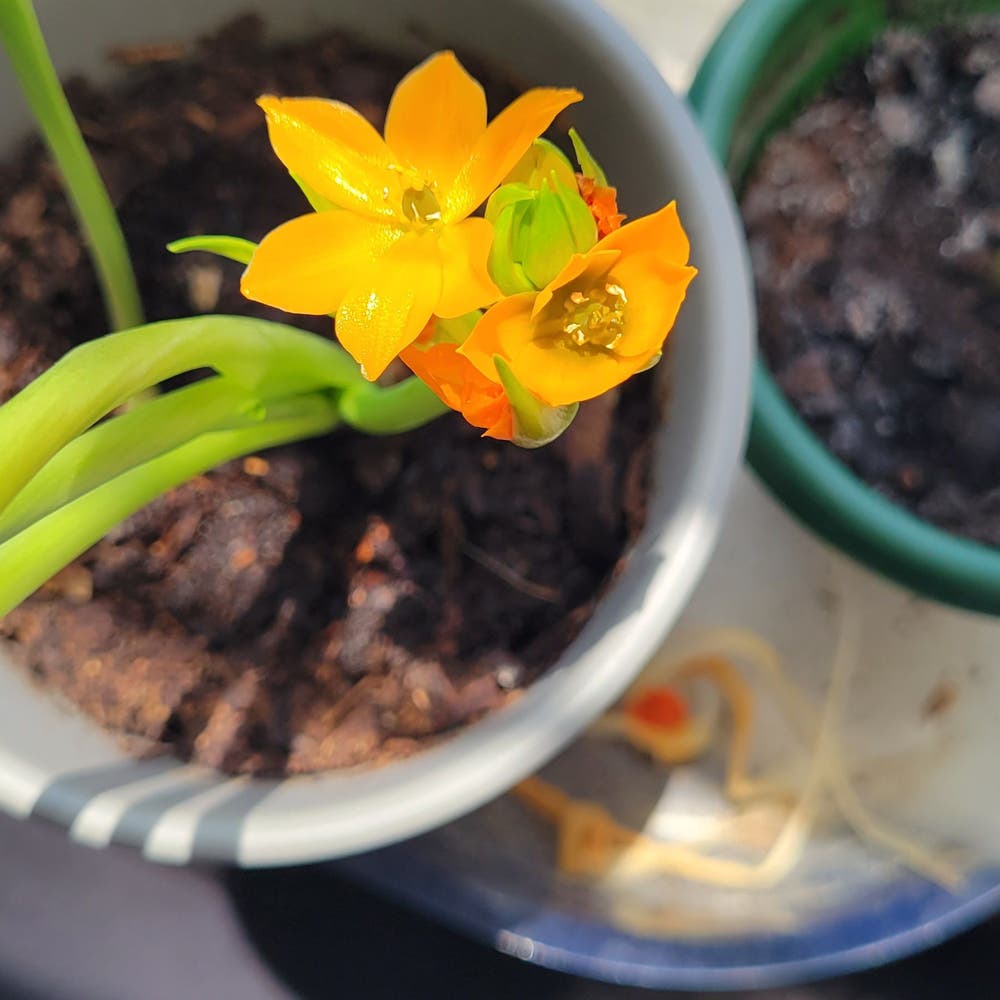
☀️ What to Do About Brown Spots on Your Sunstar Flower
Ornithogalum dubium
By the Greg Editorial Team
Oct 16, 2024•5 min read
This article was created with the help of AI so we can cover more plants for you. May contain errors. See one? Report it here.
Revive your Sunstar flower 🌼 by mastering the causes of brown spots and their quick fixes for vibrant blooms!
- 🌱 Brown spots on Sunstar flowers stem from infections, pests, or nutrient issues.
- 🔍 Regular inspections help identify causes and prevent further damage effectively.
- 💧 Proper watering and sunlight are crucial for maintaining healthy Sunstar flowers.
Causes of Brown Spots
🦠 Fungal Infections
Fungal infections are a common culprit behind brown spots on your Sunstar flower. Two notable offenders are leaf spot fungi, which create dark, water-soaked spots that expand, and powdery mildew, characterized by a white powdery coating that leads to leaf browning.
Conditions That Promote Fungal Growth
Fungi thrive in specific conditions. High humidity levels and poor air circulation around the plant can significantly increase the likelihood of fungal infections.
🦠 Bacterial Infections
Bacterial infections can also lead to unsightly brown spots. Symptoms include water-soaked lesions that eventually turn brown, along with leaf drop and wilting.
Common Pathogens
Bacterial leaf spot is a frequent issue, often worsened by wet foliage. Keeping leaves dry can help mitigate this problem.
🐛 Pest Infestations
Pests can wreak havoc on your Sunstar flower, contributing to brown spots. Aphids are notorious for causing leaf curling and browning due to sap extraction, while spider mites create stippled leaves that lead to browning.
Signs of Pest Presence
Look for visible insects on leaves or signs of webbing and sticky residue on foliage. These indicators can help you identify a pest problem early.
🥦 Nutrient Deficiencies
Nutrient deficiencies can manifest as brown spots as well. A nitrogen deficiency often causes yellowing and browning of older leaves, while potassium deficiency results in browning at the leaf edges.
Importance of Soil Testing
Regular soil testing is crucial for identifying these deficiencies. It allows you to take corrective action before the situation worsens.
🌧️ Environmental Stress
Environmental factors play a significant role in the health of your Sunstar flower. Overwatering can lead to root rot, causing browning leaves, while underwatering results in wilting and browning.
Light Conditions
Insufficient sunlight can weaken your plant, leading to brown spots. Aim for 6-8 hours of direct sunlight daily to keep your Sunstar flower thriving.
Understanding these causes is the first step toward effective treatment and prevention. Next, we’ll explore how to diagnose brown spots accurately.
Diagnosing Brown Spots
Identifying Symptoms 🌼
To effectively diagnose brown spots on your Sunstar flower, start with a visual inspection. Look for color changes like yellowing, browning, or the appearance of black spots.
Texture changes are also key indicators. Wilting or curling leaves can signal underlying issues that need attention.
Differentiating Between Causes 🔍
Understanding the cause of the brown spots is crucial. Fungal infections typically present as spots with defined edges, while bacterial infections often show water-soaked lesions.
Pest damage can be identified by looking for visible insects or webbing on the leaves. This distinction helps in determining the right treatment approach.
Importance of Leaf Inspection 👀
Regular leaf inspections are vital for early detection of problems. By documenting changes over time, you can identify patterns and potential causes, allowing for timely intervention.
Keeping a close eye on your plants not only helps in maintaining their health but also enhances your gardening experience. With proactive care, you can ensure your Sunstar flower thrives beautifully.
Treatment Options
Organic Treatments for Fungal Infections 🌱
Fungal infections can be a real headache for your Sunstar flower. One effective solution is neem oil, which combats various fungal pathogens without harming beneficial insects.
Another simple remedy is a baking soda solution. Just mix 1 tablespoon of baking soda with water and spray it on the affected leaves to help alleviate the issue.
Chemical Treatments for Pests 🐞
When it comes to pests, insecticidal soap is a go-to option. It effectively targets aphids and spider mites, helping to restore your plant's health.
For severe infestations, consider systemic insecticides. These treatments work from within the plant, providing long-lasting protection against persistent pests.
Adjusting Watering Practices 💧
Watering practices play a crucial role in plant health. Establish a consistent schedule by watering when the top inch of soil feels dry.
Avoid letting your Sunstar flower sit in water, as this can lead to root rot and further complications.
Fertilization to Address Nutrient Deficiencies 🌼
To keep your plant thriving, use a balanced fertilizer with an NPK ratio of 10-10-10 or something similar.
Apply this during the growing season every 4-6 weeks to ensure your Sunstar flower gets the nutrients it needs.
Pruning Affected Leaves ✂️
Pruning is essential for managing damage. Remove any leaves that show severe signs of distress using clean, sharp scissors to prevent spreading disease.
Be sure to dispose of infected leaves properly to minimize the risk of further issues.
With these treatment options in hand, you can effectively tackle brown spots on your Sunstar flower. Next, let’s explore preventive measures to keep your plant healthy and vibrant.
Preventive Measures
Proper Watering Techniques 🌊
Watering your Sunstar flower correctly is crucial for its health. Aim for 1-2 inches of water per week, adjusting based on weather conditions to avoid over or underwatering.
Ideal Sunlight Exposure ☀️
Sunlight plays a vital role in plant vitality. Ensure your Sunstar gets at least 6-8 hours of direct sunlight daily, and consider rotating pots to promote even light exposure.
Soil Health and Amendments 🌱
Healthy soil is the foundation of a thriving plant. Use a well-draining mix, ideally 50% potting soil, 25% perlite, and 25% sand, and regularly amend it with organic matter to enhance drainage.
Regular Inspection and Maintenance 🔍
Stay proactive with bi-weekly inspections to catch issues early. Cleaning up fallen leaves and debris not only keeps your garden tidy but also reduces the risk of disease.
By implementing these preventive measures, you can help your Sunstar flower thrive and minimize the risk of brown spots. Next, let’s explore how to diagnose those pesky brown spots when they do appear.
⚠️ Safety First
This content is for general information and may contain errors, omissions, or outdated details. It is not medical, veterinary advice, or an endorsement of therapeutic claims.
Always consult a qualified healthcare professional before using any plant as food, medicine, or supplement.
Never eat any plant (or feed one to pets) without confirming its identity with at least two trusted sources.
If you suspect poisoning, call Poison Control (800) 222-1222, the Pet Poison Helpline (800) 213-6680, or your local emergency service immediately.
Spotted an error? Please report it here.
Keep your Sunstar flowers thriving 🌞 by using Greg's tailored watering reminders and nutrient alerts to prevent those pesky brown spots from taking over!