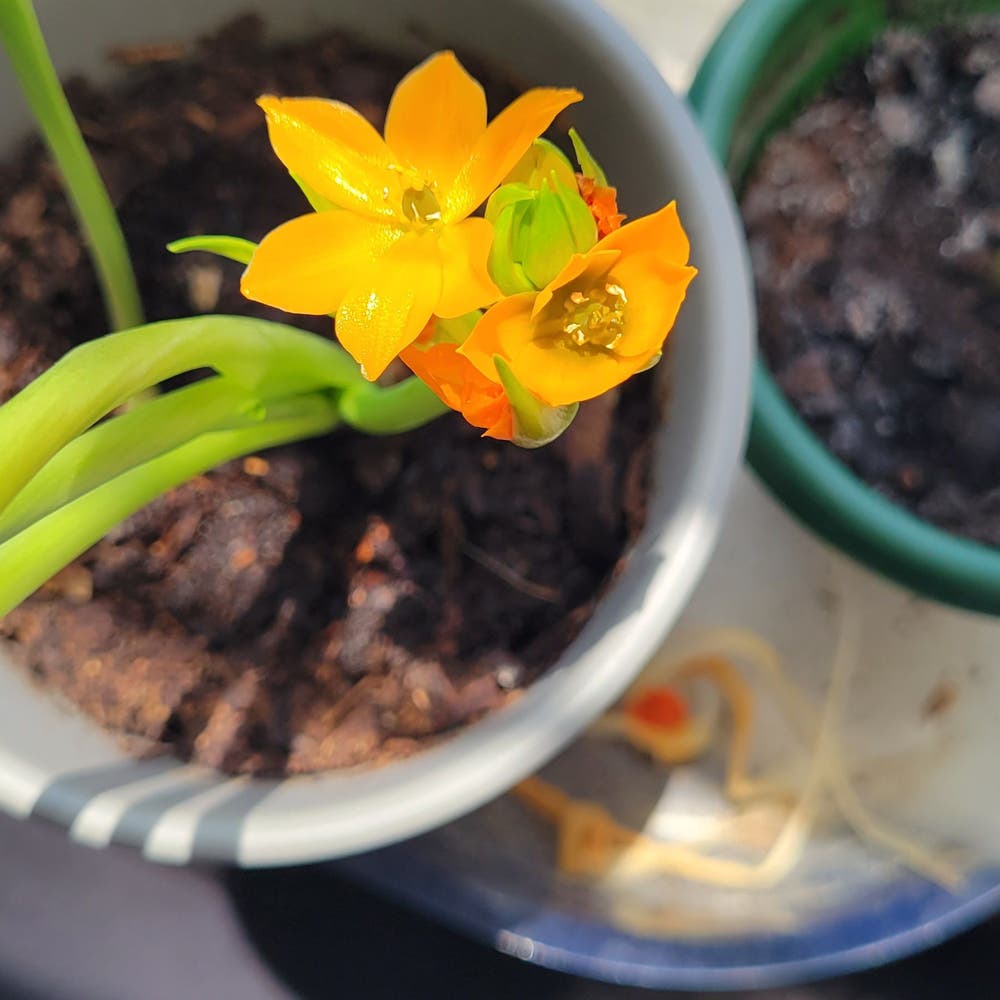
🌼 Sunstar Flower Care: Preventing and Treating Root Rot
Ornithogalum dubium
By the Greg Editorial Team
Oct 16, 2024•4 min read
This article was created with the help of AI so we can cover more plants for you. May contain errors. See one? Report it here.
Revive your Sunstar Flower from root rot with these essential tips for thriving plants! 🌱
- 🌱 Brown, mushy roots and wilting leaves indicate root rot in Sunstar Flowers.
- 💧 Allow soil to dry between waterings to prevent sogginess and root rot.
- 🧼 Regularly examine roots and use well-draining soil for optimal health.
Identifying Root Rot Symptoms
👀 Visual Signs of Root Rot
Root rot can be a sneaky problem for your Sunstar Flower. Look for discoloration of roots; if they appear brown or black and feel mushy, it’s a clear sign of decay.
Leaf symptoms are also telling. Yellowing leaves and wilting can be early indicators that something is off with your plant.
🕵️♂️ Changes in Plant Behavior
Behavior changes in your plant can signal root rot. Wilting that persists even after watering is a major red flag.
Additionally, watch for gradual yellowing of leaves that may lead to leaf drop. This can indicate that the roots are struggling to absorb nutrients.
🔍 Root Examination Techniques
To get to the root of the problem—literally—try these examination techniques. Start by pulling the plant from the pot to assess the root condition directly.
Next, clean the roots by gently rinsing them. This helps you observe their health more clearly.
Finally, consider using a magnifying glass to inspect for pests or fungal growth. This extra step can reveal hidden issues that might be affecting your plant's health.
Understanding these symptoms and techniques will empower you to take action quickly. With the right knowledge, you can help your Sunstar Flower thrive once again.
Preventing Root Rot
💧 Proper Watering Techniques for Sunstar Flower
Watering your Sunstar Flower correctly is crucial for preventing root rot. Aim to let the soil dry out between waterings; this helps avoid soggy conditions that can lead to decay.
Recognizing signs of underwatering is equally important. If you notice the leaves starting to droop or curl, it’s time to give your plant a drink.
🌱 Importance of Soil Drainage
Choosing the right soil is a game-changer for your Sunstar Flower. Opt for a well-draining potting mix that allows excess water to escape easily.
Testing drainage is also essential. Ensure your pots have adequate drainage holes to prevent water from pooling at the bottom, which can suffocate roots.
🪴 Choosing the Right Pot and Soil Mix
The material of your pot can significantly impact drainage. Terracotta pots are great for absorbing excess moisture, while plastic pots retain more water.
For the ideal soil mix, combine sand, perlite, and potting soil. This blend promotes excellent drainage, giving your Sunstar Flower the best chance to thrive.
By following these preventive measures, you can keep your Sunstar Flower healthy and vibrant. Next, let’s explore how to treat root rot if it does occur.
Treating Root Rot
Step-by-Step Treatment Process 🌱
Remove the plant from its pot: Gently extract the plant to minimize damage. This step is crucial for assessing the root condition directly.
Inspect and trim roots: Use sterilized scissors to cut away all affected roots. Look for brown or black, mushy areas that indicate decay.
Clean the pot: Disinfect the pot thoroughly to prevent re-infection. A clean environment is vital for the plant's recovery.
Repotting Techniques for Affected Plants 🪴
Selecting a new pot: Choose a pot that promotes drainage. Terracotta pots are often a great choice due to their breathability.
Replanting: Position the plant correctly in fresh, well-draining soil. Ensure the roots are spread out and not cramped.
Recommended Fungicides and Natural Remedies 🌿
Chemical options: Effective fungicides can help treat root rot. Look for products specifically designed for root issues.
Natural remedies: Consider using cinnamon or neem oil as alternatives. Both have antifungal properties and can support recovery.
By following these steps, you can give your Sunstar Flower a fighting chance against root rot. Next, let’s explore how to care for your plant post-treatment to ensure a successful recovery.
Post-Treatment Care
Monitoring Plant Recovery 🌱
After treatment, keep an eye out for signs of recovery. Look for new growth and improved leaf color, which indicate that your Sunstar Flower is bouncing back.
Regular checks are essential. Observe the root health and soil moisture to ensure your plant is on the right track.
Adjusting Care Routine After Treatment 🔄
It's time to modify your watering habits. Implement a more cautious approach to avoid overwatering, which can lead to further issues.
Environmental adjustments are also crucial. Ensure your plant receives optimal light and temperature to support its recovery.
Signs of Successful Recovery ✅
Check for new root development. Healthy, white roots are a clear sign that your plant is thriving again.
Improved foliage is another positive indicator. Vibrant leaves and overall plant vigor suggest that your Sunstar Flower is back in action.
With these steps, you can nurture your plant back to health and enjoy its beauty once more. Next, we'll explore how to prevent root rot from occurring in the first place.
⚠️ Safety First
This content is for general information and may contain errors, omissions, or outdated details. It is not medical, veterinary advice, or an endorsement of therapeutic claims.
Always consult a qualified healthcare professional before using any plant as food, medicine, or supplement.
Never eat any plant (or feed one to pets) without confirming its identity with at least two trusted sources.
If you suspect poisoning, call Poison Control (800) 222-1222, the Pet Poison Helpline (800) 213-6680, or your local emergency service immediately.
Spotted an error? Please report it here.
Keep your Sunstar Flowers root rot-free 🌱 by using Greg's tailored watering reminders and expert tips for thriving plants!