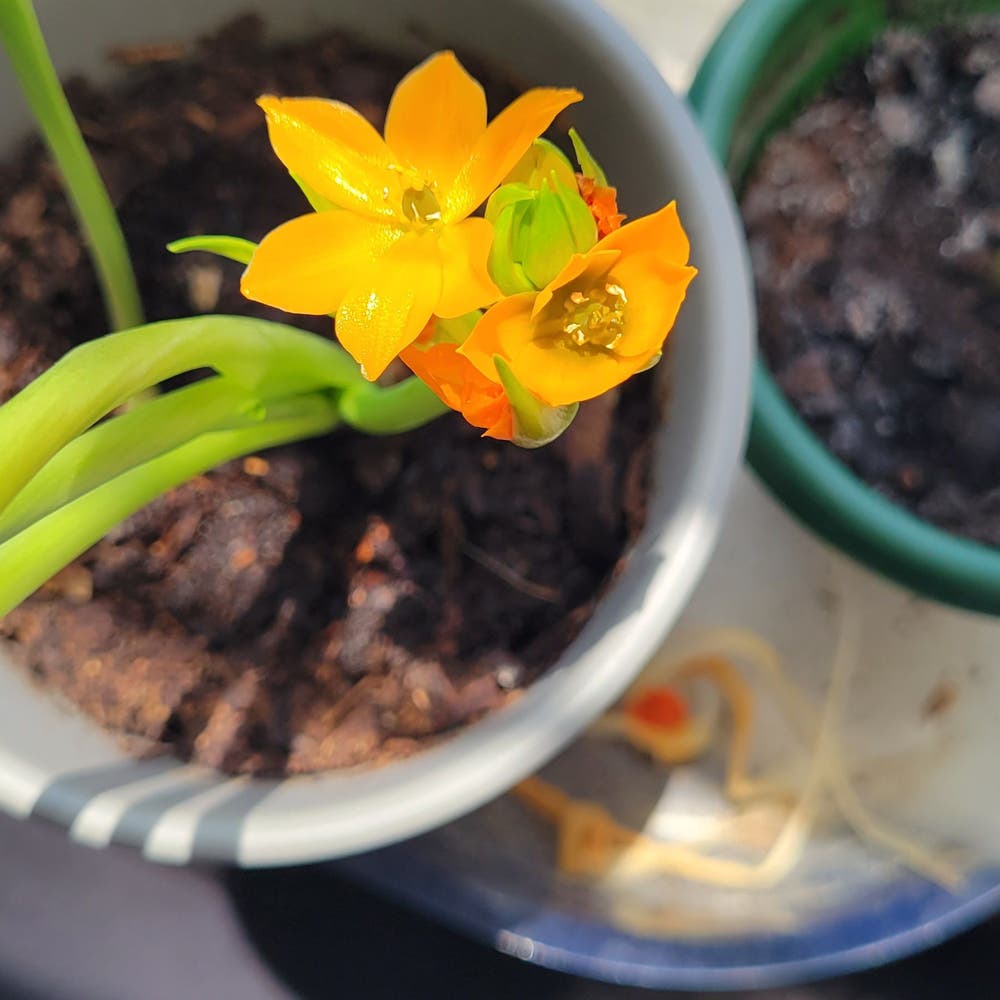
🌞 Light Requirements For Your Sunstar Flower
Ornithogalum dubium
By the Greg Editorial Team
Oct 16, 2024•4 min read
This article was created with the help of AI so we can cover more plants for you. May contain errors. See one? Report it here.
Master the light your Sunstar Flower craves 🌞 to unlock vibrant blooms and lush growth all year round!
- 🌞 Sunstar Flowers thrive in bright, indirect sunlight for optimal growth and blooms.
- 🪴 Use LED grow lights if natural light is insufficient; aim for 2000-3000 lux.
- 🌅 Position near east or west windows to maximize natural light exposure effectively.
Types of Light (Natural vs. Artificial)
🌞 Natural Light
Bright, indirect sunlight is the secret sauce for your Sunstar Flower. This type of light mimics its natural habitat, promoting vibrant growth and stunning blooms.
To maximize natural light exposure, position your plant near east or west-facing windows. These spots catch the gentle morning or late afternoon sun, providing the perfect balance without overwhelming your plant.
💡 Artificial Light
When natural light isn't an option, grow lights come to the rescue. They offer a reliable alternative for indoor cultivation, ensuring your Sunstar Flower thrives even in low-light conditions.
LED and fluorescent grow lights are particularly effective for these plants. LED lights are energy-efficient and long-lasting, while fluorescent lights provide a broad spectrum of light that supports healthy growth.
Light Intensity Needs
Optimal Light Intensity 🌞
For your Sunstar Flower to thrive, aim for a light intensity of 2000-3000 lux. This range promotes healthy growth while ensuring your plant remains vibrant and lush.
Direct sunlight can be a double-edged sword. While your plant craves light, too much can lead to leaf burn, so it's crucial to find that sweet spot.
Measuring Light Intensity 📏
To accurately gauge light intensity, consider investing in a lux meter. This handy tool will help you measure the light levels your plant is receiving.
Once you have your readings, adjust your plant's placement accordingly. Moving it closer to or further from the light source can make all the difference in its health and vitality.
Light Duration and Photoperiod
Ideal Light Duration 🌞
For your Sunstar Flower, aim for 12-14 hours of light each day. This consistent exposure is crucial for robust growth and vibrant blooms.
Importance of Consistent Light Exposure 🔄
Consistency is key. Regular light duration helps your plant establish a healthy rhythm, promoting overall vitality and resilience.
Photoperiod Effects ⏳
Varying light durations can significantly impact growth cycles. Shorter days may lead to slower growth, while longer light periods can stimulate more vigorous development.
Understanding Growth Cycles 🌱
Plants respond to changes in light duration by adjusting their growth patterns. Recognizing these shifts can help you optimize care for your Sunstar Flower.
By ensuring the right light duration and understanding photoperiod effects, you set the stage for a thriving plant. Next, let’s explore how to create the perfect indoor environment for your Sunstar Flower.
Indoor Light Guidance
Best Indoor Locations 🌞
For your Sunstar Flower, positioning is key. The best spots are near east or west-facing windows, where they can soak up bright, indirect sunlight.
Avoid dark corners or overly shaded areas, as these can stunt growth and lead to leggy plants. Your Sunstar Flower craves light, so give it the prime real estate it deserves!
Using Grow Lights Effectively 💡
If natural light is scarce, grow lights can be a game-changer. Set them up about 12-24 inches above your plant to ensure optimal light exposure.
Aim for a duration of 12-14 hours of light each day. This consistency will help your Sunstar Flower thrive indoors, promoting healthy growth and vibrant blooms.
With the right setup, your indoor garden can flourish, even without the sun!
Outdoor Light Guidance
Ideal Outdoor Conditions 🌳
For your Sunstar Flower, the best outdoor locations are partially shaded areas that receive bright, indirect light. This setup helps protect the plant from harsh sunlight while still providing the brightness it craves.
Acclimatizing your plants to outdoor conditions is crucial. Gradually introducing them to sunlight prevents shock and ensures they thrive in their new environment.
Sun Exposure Recommendations ☀️
Aim for 4-6 hours of filtered sunlight each day. This amount of exposure strikes the perfect balance, promoting healthy growth without overwhelming the plant.
Watch for signs of adequate sun exposure, such as vibrant foliage and robust growth. If your Sunstar Flower starts to look leggy or pale, it might be time to adjust its sun exposure.
With the right outdoor light conditions, your Sunstar Flower will flourish beautifully. Next, let’s explore how light influences flowering and overall plant health.
Light and Flowering
🌼 How Light Affects Flowering
Light exposure plays a crucial role in the blooming process of your Sunstar Flower. The right balance of light intensity and duration can significantly influence when and how beautifully your plant flowers.
💡 Importance of Light Intensity and Duration
For optimal flowering, aim for a light intensity of 2000-3000 lux. This range not only supports healthy growth but also encourages vibrant blooms.
Consistent light duration is equally important. Providing 12-14 hours of light daily helps establish a reliable growth cycle, ensuring your Sunstar Flower thrives and produces stunning flowers.
Understanding these light dynamics can transform your gardening experience. With the right light conditions, you’ll be rewarded with a flourishing display of blooms that brighten your space.
As we explore further, let’s dive into the specifics of indoor light guidance to keep your Sunstar Flower flourishing year-round.
⚠️ Safety First
This content is for general information and may contain errors, omissions, or outdated details. It is not medical, veterinary advice, or an endorsement of therapeutic claims.
Always consult a qualified healthcare professional before using any plant as food, medicine, or supplement.
Never eat any plant (or feed one to pets) without confirming its identity with at least two trusted sources.
If you suspect poisoning, call Poison Control (800) 222-1222, the Pet Poison Helpline (800) 213-6680, or your local emergency service immediately.
Spotted an error? Please report it here.
Help your Sunstar Flower shine bright 🌟 by using Greg's tailored light reminders to ensure it gets the perfect amount of bright, indirect sunlight for stunning blooms!