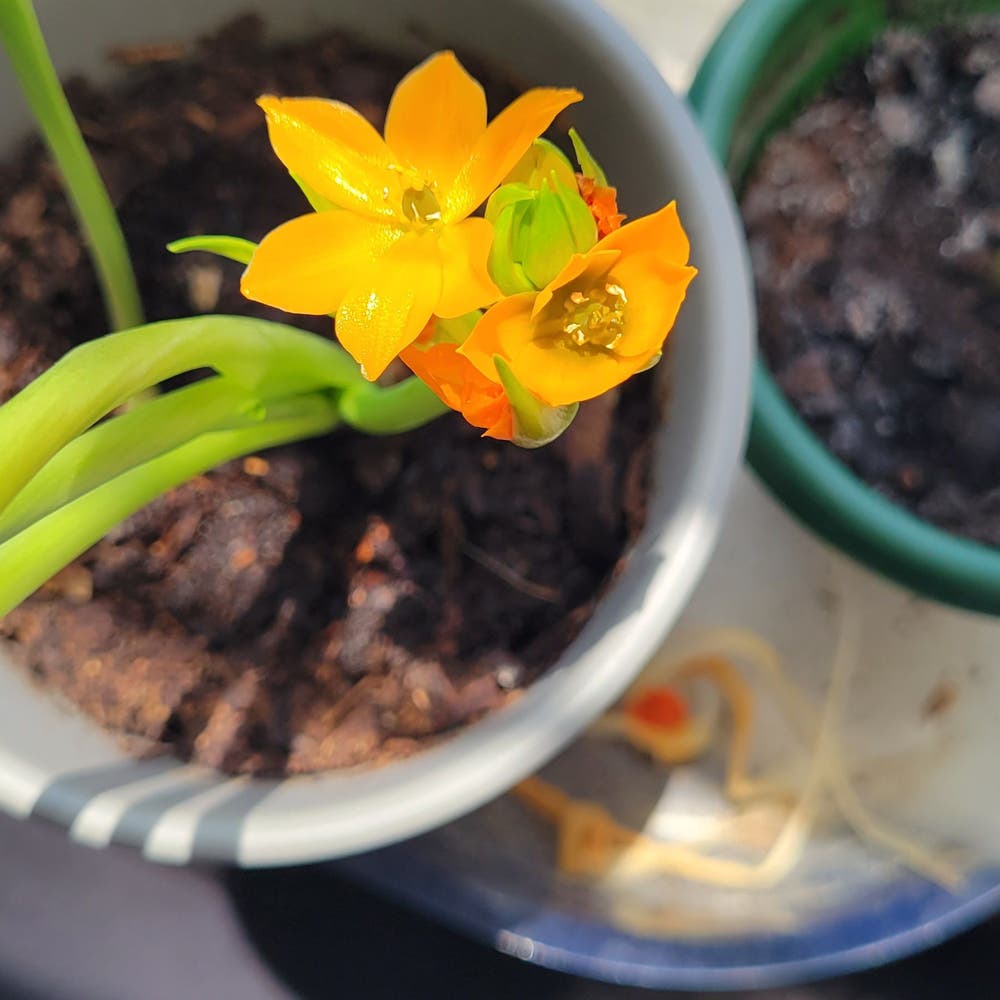
🌞 Humidity Needs for Your Sunstar Flower
Ornithogalum dubium
By the Greg Editorial Team
Oct 16, 2024•4 min read
This article was created with the help of AI so we can cover more plants for you. May contain errors. See one? Report it here.
Unlock vibrant blooms for your Sunstar Flower 🌼 by mastering humidity control for optimal health and growth!
- 🌡️ Measure humidity with a hygrometer for optimal Sunstar Flower health.
- 💧 Ideal humidity range for Sunstar Flowers is 60-80%.
- 🌬️ Group plants and use humidifiers to create a beneficial microenvironment.
Assessing Local Humidity
How to Measure Local Humidity 🌡️
To ensure your Sunstar Flower thrives, measuring local humidity is essential. A hygrometer is your best friend here; it provides accurate readings of indoor humidity levels.
Aim for a relative humidity of 60-80%. This range is crucial for optimal care and flowering of your Sunstar Flower.
Understanding Seasonal Variations in Humidity 🌦️
Humidity isn't static; it fluctuates with the seasons. In winter, for instance, heating systems can significantly drop indoor humidity levels.
Consider your local climate as well. Dry climates can exacerbate these fluctuations, making it vital to monitor and adjust humidity levels accordingly.
Strategies for Boosting Humidity
🌬️ Using Humidifiers
Humidifiers are a fantastic way to maintain the right humidity levels for your Sunstar Flower. You can choose between cool-mist and warm-mist options, both of which effectively increase moisture in the air.
For optimal results, position the humidifier near your Sunstar Flower. This ensures that the plant receives the maximum benefit from the added humidity. Don’t forget to clean your humidifier regularly; this prevents mold and bacteria growth, keeping your plant healthy.
🌱 Grouping Plants Together
Another simple strategy is to group your Sunstar Flower with other humidity-loving plants. This arrangement creates a microenvironment that naturally boosts humidity levels.
By placing your Sunstar Flower alongside its leafy friends, you enhance moisture retention. This not only benefits your Sunstar but also creates a lush, vibrant display.
🪨 Pebble Trays and Water Bowls
Using pebble trays is an easy and effective method to increase humidity. Fill a tray with pebbles and water, ensuring that the pot of your Sunstar Flower sits above the waterline.
As the water evaporates, it raises the humidity around your plant. This method is particularly useful if you’re looking for a low-maintenance solution.
💦 Misting Techniques
Misting your Sunstar Flower is another way to boost humidity. Aim to mist the plant daily or every few days, depending on the local humidity levels.
The best times to mist are early morning or late afternoon. This timing helps prevent leaf burn, ensuring your Sunstar Flower stays healthy and vibrant.
By implementing these strategies, you can create an ideal humidity environment for your Sunstar Flower. Next, let’s explore how to reduce humidity when necessary.
Strategies for Reducing Humidity
🌬️ Ventilation Techniques
Good airflow is essential for keeping your Sunstar Flower healthy. Ensure there’s ample air circulation around the plant to prevent mold growth.
Opening windows or using fans can help regulate humidity levels effectively. This simple step can make a significant difference in maintaining a balanced environment.
📍 Choosing the Right Location
Location is key when it comes to humidity control. Avoid placing your Sunstar Flower in overly humid areas like bathrooms, which can lead to excess moisture.
Instead, opt for spots with moderate humidity levels. This helps your plant thrive without the risk of dampness.
💨 Using Dehumidifiers
In cases of excessive humidity, especially during rainy seasons, a dehumidifier can be a lifesaver. It helps maintain a balanced humidity level that your Sunstar Flower needs.
Position the dehumidifier in the same room as your plant for optimal results. This ensures that the air around your Sunstar Flower remains comfortable and conducive to its growth.
By implementing these strategies, you can effectively manage humidity levels and keep your Sunstar Flower flourishing. Next, let’s explore the signs that indicate whether your plant is experiencing inadequate or excessive humidity.
Signs of Inadequate or Excess Humidity
🌬️ Symptoms of Low Humidity
Low humidity can be detrimental to your Sunstar Flower. One of the first signs is leaf curling, where leaves may curl inward or become crispy at the edges.
Another indicator is flower drop. If you notice premature dropping of flowers or buds, it’s a clear signal that the humidity levels are too low for your plant's comfort.
💧 Symptoms of High Humidity
On the flip side, excessive humidity can also harm your Sunstar Flower. Mold growth is a common issue, manifesting as unsightly mold or mildew on leaves or soil.
You might also see leaf yellowing. If the leaves start to turn yellow, it could mean there’s too much moisture in the air, signaling a need for adjustment.
Recognizing these signs early can help you maintain the ideal humidity levels for your Sunstar Flower, ensuring it thrives beautifully.
Best Practices for Maintaining Ideal Humidity Levels
🌧️ Recap of Humidity Needs
The Sunstar Flower flourishes in a humidity range of 60-80%. This level is essential for its overall health and vibrant flowering.
💧 Final Tips for Maintaining Ideal Humidity Levels
Regularly monitor humidity levels using a hygrometer. This tool helps you stay informed about your plant's environment.
Be ready to adjust your humidity strategies based on seasonal changes. Flexibility is key to ensuring your Sunstar Flower thrives throughout the year.
By keeping these practices in mind, you can create a nurturing atmosphere for your Sunstar Flower. This will not only enhance its growth but also bring joy to your indoor space.
⚠️ Safety First
This content is for general information and may contain errors, omissions, or outdated details. It is not medical, veterinary advice, or an endorsement of therapeutic claims.
Always consult a qualified healthcare professional before using any plant as food, medicine, or supplement.
Never eat any plant (or feed one to pets) without confirming its identity with at least two trusted sources.
If you suspect poisoning, call Poison Control (800) 222-1222, the Pet Poison Helpline (800) 213-6680, or your local emergency service immediately.
Spotted an error? Please report it here.
Ensure your Sunstar Flower flourishes in the perfect humidity 🌬️ by using Greg's tailored reminders and tips for optimal care!