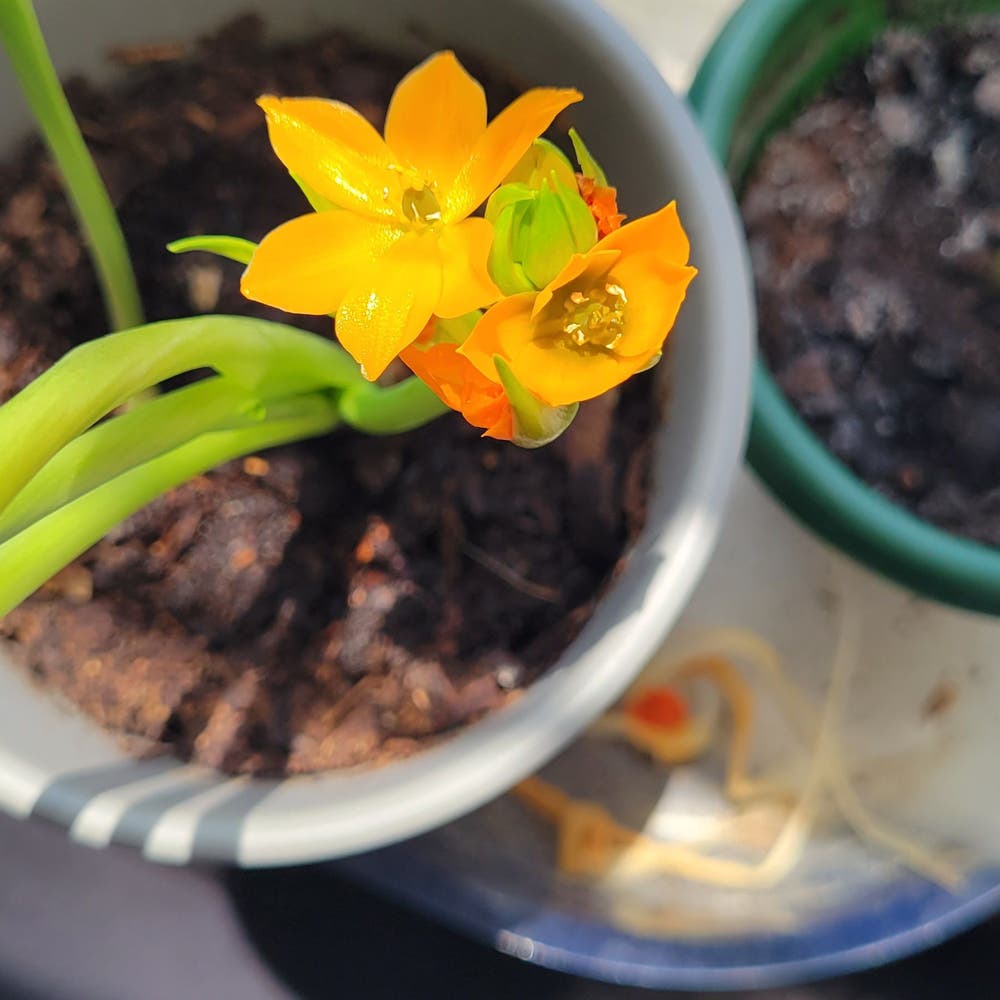
🌟 Sunstar Flower Varieties
Ornithogalum dubium
By the Greg Editorial Team
Oct 16, 2024•5 min read
This article was created with the help of AI so we can cover more plants for you. May contain errors. See one? Report it here.
Unlock the beauty of Sunstar flowers 🌼 and elevate your garden with the perfect cultivars for every space!
- 🌼 Sunstar flowers come in diverse cultivars, each with unique colors and traits.
- 🌈 Cultivars vary in size and growth habits, perfect for any garden space.
- 🌟 Rare color variations like lavender and blue require special care to thrive.
Popular Cultivars
🌼 Description of the Most Popular Cultivars
Sunstar flowers come in a variety of stunning cultivars, each with its own unique charm.
Cultivar A
Cultivar A features bright yellow petals surrounding a central disc. These medium-sized flowers measure approximately 3-4 inches in diameter, making them a cheerful addition to any garden.
Cultivar B
Cultivar B stands out with its deep orange color and bushy growth habit. Its larger blooms, around 5 inches across, create a vibrant focal point in flower beds.
Cultivar C
Cultivar C offers a compact growth pattern adorned with vibrant red hues. These smaller flowers, about 2-3 inches wide, are perfect for smaller spaces or container gardening.
🌟 Unique Characteristics of Each Popular Cultivar
Each cultivar has distinct characteristics that set them apart.
Leaf Shape and Texture
Differences in leaf shape and texture can be quite striking. For instance, Cultivar A has broad, smooth leaves, while Cultivar C showcases narrower, textured foliage.
Flower Structure Variations
Flower structure also varies significantly among these cultivars. Some feature single blooms, while others, like Cultivar B, may have double blooms that add extra layers of beauty.
Growth Habits
Growth habits differ as well. Cultivar A tends to grow upright, while Cultivar C spreads out, making it ideal for ground cover.
These unique traits not only enhance the visual appeal of gardens but also allow gardeners to choose cultivars that fit their specific needs and preferences.
As we explore hybrid varieties next, you'll discover how these traits can be combined for even more stunning results.
Hybrid Varieties
🌱 Explanation of Hybrid Varieties
Hybridization in Sunstar Flowers involves crossing two different cultivars to create a new variety. This process not only enhances the aesthetic appeal but also improves disease resistance, making these hybrids a popular choice among gardeners.
The benefits of hybrid varieties are significant. They often showcase unique color patterns and growth habits that stand out in any garden. Additionally, their resilience to diseases means less worry for gardeners, allowing them to enjoy their blooms longer.
🌼 Notable Hybrid Cultivars and Their Features
Hybrid A
Hybrid A is a fascinating cross between two well-loved cultivars. This hybrid boasts unique color patterns that can brighten any landscape.
In terms of care, Hybrid A requires slightly more water than standard varieties. This extra hydration helps maintain its vibrant colors and overall health.
Hybrid B
Hybrid B is known for its compact size and extended blooming period. This makes it an excellent choice for smaller gardens or container planting.
To keep Hybrid B thriving, it prefers partial shade. This environment helps preserve its vivid colors and ensures a longer flowering season.
These hybrid varieties not only add beauty to your garden but also offer practical benefits. As you explore the world of Sunstar Flowers, consider how these hybrids can enhance your gardening experience.
Rare Varieties
🌟 Characteristics and Care Requirements of Rare Cultivars
Rare Sunstar flower cultivars offer unique traits that can elevate any garden.
Rare Cultivar A
This cultivar stands out with its uncommon color variations, including stunning lavender and blue hues.
To thrive, it requires specific soil types, ideally well-draining and slightly acidic, along with consistent moisture levels to maintain its vibrant colors.
Rare Cultivar B
Another gem in the rare category features unique leaf patterns and textures that catch the eye.
However, this cultivar is more sensitive to environmental changes, necessitating careful monitoring of temperature and humidity to ensure optimal growth.
Understanding the specific needs of these rare varieties can enhance your gardening experience.
With the right care, they can become the centerpiece of your floral display, showcasing their extraordinary beauty.
Color Variations
🎨 Impact of Color on Cultivar Popularity
Color plays a pivotal role in the popularity of Sunstar flower cultivars. Bright yellows, deep oranges, and vibrant reds attract gardeners looking to make a statement in their landscapes.
Consumer choices often hinge on these color preferences. Many people gravitate towards bold hues that stand out, while others seek softer, more unique shades to create a tranquil garden atmosphere.
🌈 Trends in Gardening
The gardening world is witnessing a surge in demand for unique color variations. Gardeners are increasingly adventurous, opting for uncommon shades like lavender or blue to set their gardens apart.
This trend reflects a broader desire for individuality in gardening. As more people embrace unique aesthetics, the market for diverse Sunstar flower colors continues to expand, offering exciting options for every gardener.
In this evolving landscape, understanding color dynamics can help you choose the right cultivars for your garden. Next, we’ll explore the size differences among these captivating flowers and how they influence planting and care.
Size Differences
Comparison of Size Differences Among Cultivars 🌼
Sunstar flowers come in various sizes, classified as small, medium, and large. This classification helps gardeners choose the right variety for their space and aesthetic needs.
Small Cultivars: Typically, these flowers measure about 2-3 inches wide. An example is Cultivar C, known for its compact growth and vibrant red hues.
Medium Cultivars: These flowers range from 3-4 inches in diameter. Cultivar A fits this category, featuring bright yellow petals that attract attention.
Large Cultivars: With blooms around 5 inches across, Cultivar B stands out with its deep orange color and bushy growth habit.
Understanding these size differences is crucial for selecting the right plants for your garden.
How Size Affects Planting and Care 🌱
The size of your Sunstar flowers significantly impacts planting strategies. Larger cultivars require more space, so consider this when planning your garden layout.
Spacing Considerations: Ensure adequate distance between larger plants to promote airflow and reduce competition for resources.
Watering and Nutrient Needs: Larger plants often demand more water and nutrients. Adjust your care routine accordingly to keep them thriving.
By being mindful of these factors, you can create a flourishing garden that showcases the beauty of Sunstar flowers. Next, let's explore how color variations influence the popularity of different cultivars.
⚠️ Safety First
This content is for general information and may contain errors, omissions, or outdated details. It is not medical, veterinary advice, or an endorsement of therapeutic claims.
Always consult a qualified healthcare professional before using any plant as food, medicine, or supplement.
Never eat any plant (or feed one to pets) without confirming its identity with at least two trusted sources.
If you suspect poisoning, call Poison Control (800) 222-1222, the Pet Poison Helpline (800) 213-6680, or your local emergency service immediately.
Spotted an error? Please report it here.
Transform your garden into a vibrant oasis 🌼 by choosing the perfect Sunstar flower cultivars, and let Greg guide you with personalized care tips to ensure your blooms flourish!