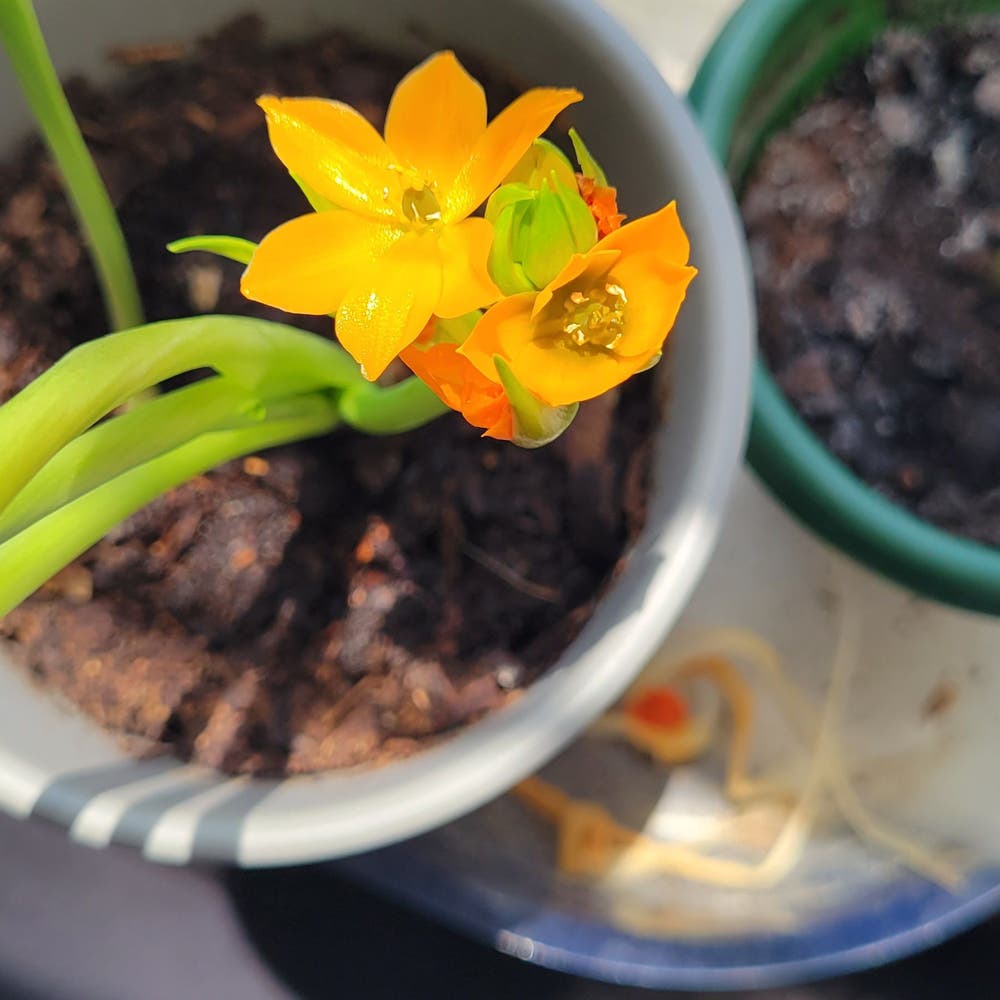
🌞 Ultimate Guide to Temperature for Sunstar Flower
Ornithogalum dubium
By the Greg Editorial Team
Oct 16, 2024•4 min read
This article was created with the help of AI so we can cover more plants for you. May contain errors. See one? Report it here.
Keep your Sunstar flowers thriving year-round by mastering temperature management! 🌞
- 🌡️ Monitor temperature to prevent heat and cold stress in Sunstar flowers.
- 🌱 Optimal growth occurs between 15°C and 30°C; adjust care accordingly.
- 🧊 Protect in winter by keeping temperatures above 5°C for healthy Sunstar flowers.
Temperature Stress Indicators
Signs of Heat Stress 🌞
Heat stress can be a real challenge for your Sunstar flower. Look out for wilting, where leaves droop and lose their firmness.
Another sign is leaf drop, which means the plant is shedding leaves prematurely. Discoloration is also common; leaves may turn yellow or brown at the edges, signaling distress.
Signs of Cold Stress ❄️
Cold stress manifests differently but can be just as damaging. Wilting becomes more pronounced in chilly conditions, making the plant look droopy and lifeless.
You may also notice increased leaf drop as temperatures dip. Stunted growth is another indicator, with the plant showing reduced vigor and growth rate.
Comparison of Symptoms ⚖️
Distinguishing between heat and cold stress symptoms is crucial for effective care. Both conditions can cause overlapping signs like wilting and leaf drop.
Monitoring temperature is essential to identify the type of stress your Sunstar flower is experiencing. This awareness can guide you in providing the right care to help your plant thrive.
Causes of Temperature Stress
🌡️ Environmental Factors
Temperature stress in Sunstar flowers often stems from environmental conditions. Direct sunlight exposure can lead to overheating, while shaded areas might not provide enough warmth for optimal growth.
Wind exposure plays a dual role; it can cool plants but also dry them out. Understanding these dynamics is crucial for maintaining plant health.
⚡️ Impact of Sudden Temperature Changes
Sudden temperature changes can be detrimental. For instance, a rapid drop at night can shock the plant, while unexpected spikes can accelerate wilting.
These fluctuations affect plant metabolism and nutrient uptake. To mitigate these effects, consider using protective covers or relocating plants temporarily.
🌱 Role of Soil Temperature
Soil temperature is vital for root health. Maintaining an optimal range ensures roots function effectively and absorb nutrients efficiently.
Monitoring soil temperature can prevent stress. Use thermometers or soil probes to keep track, ensuring your Sunstar flowers thrive in the right conditions.
Seasonal Temperature Considerations
🌱 Temperature Needs During Growth Stages
Understanding the temperature needs of your Sunstar flower throughout the seasons is crucial for its health.
Spring is a time for new growth, with optimal temperatures ranging from 15°C to 25°C. This is when your plant will thrive, pushing out fresh leaves and vibrant blooms.
As summer arrives, temperatures can soar. Managing heat stress becomes essential, especially when temperatures hit between 25°C and 30°C. Providing adequate care during this time ensures your plant remains healthy and vibrant.
Fall brings a gradual cooling, signaling the plant to prepare for dormancy. Monitoring temperatures helps you transition your Sunstar flower into this restful phase smoothly.
❄️ Winter Care
Winter poses unique challenges for your Sunstar flower. Protecting it from frost is vital, with recommended temperatures ideally above 5°C. Using frost cloths or moving pots indoors can safeguard your plant.
When it comes to indoor versus outdoor care, consider the conditions. Indoor plants may require less light but benefit from stable temperatures. Outdoor plants need extra attention to avoid frost damage.
Watch for signs of stress during colder months, such as wilting or leaf drop. Early detection can help you take action before significant damage occurs.
☀️ Summer Heat Management Strategies
Managing summer heat is essential for the health of your Sunstar flower. Providing shade during peak heat hours can significantly reduce stress. Consider using shade cloth or strategically placing your plant under larger foliage.
Watering techniques also play a crucial role. Watering early in the morning or late in the evening helps cool both the plant and the soil, promoting better health.
Lastly, mulching is a fantastic strategy to retain soil moisture and regulate temperature. A layer of organic mulch can keep the roots cool and hydrated during those scorching summer days.
By understanding seasonal temperature considerations, you can ensure your Sunstar flower thrives year-round. Next, we’ll explore the geographic considerations that influence its growth.
Geographic Considerations
🌍 Native Habitat
Sunstar flowers thrive in warm, temperate regions. These areas typically experience moderate temperatures, ranging from 15°C to 30°C, which are ideal for their growth.
Replicating these conditions is crucial for optimal health. When grown in environments that mimic their native habitat, sunstar flowers flourish and exhibit vibrant blooms.
🌡️ Adaptation to Local Climates
Different varieties of sunstar flowers show varying degrees of temperature tolerance. Understanding these differences is key to successful gardening.
To help your plants adapt, gradually introduce them to local conditions. This acclimatization process can significantly enhance their resilience.
🏡 Recommendations for Various Regions
For gardeners in cooler climates, consider indoor growing or utilizing greenhouses. These methods provide a controlled environment that protects against harsh temperatures.
In hotter climates, employing shade cloth and adjusting watering schedules can help manage heat stress. Keeping your plants cool and hydrated is essential for their well-being.
Local knowledge is invaluable in temperature management. Understanding your specific climate patterns can lead to more successful gardening outcomes.
⚠️ Safety First
This content is for general information and may contain errors, omissions, or outdated details. It is not medical, veterinary advice, or an endorsement of therapeutic claims.
Always consult a qualified healthcare professional before using any plant as food, medicine, or supplement.
Never eat any plant (or feed one to pets) without confirming its identity with at least two trusted sources.
If you suspect poisoning, call Poison Control (800) 222-1222, the Pet Poison Helpline (800) 213-6680, or your local emergency service immediately.
Spotted an error? Please report it here.
Keep your Sunstar flowers thriving year-round 🌼 by using Greg's tailored temperature tips and watering reminders to combat stress and promote vibrant blooms!