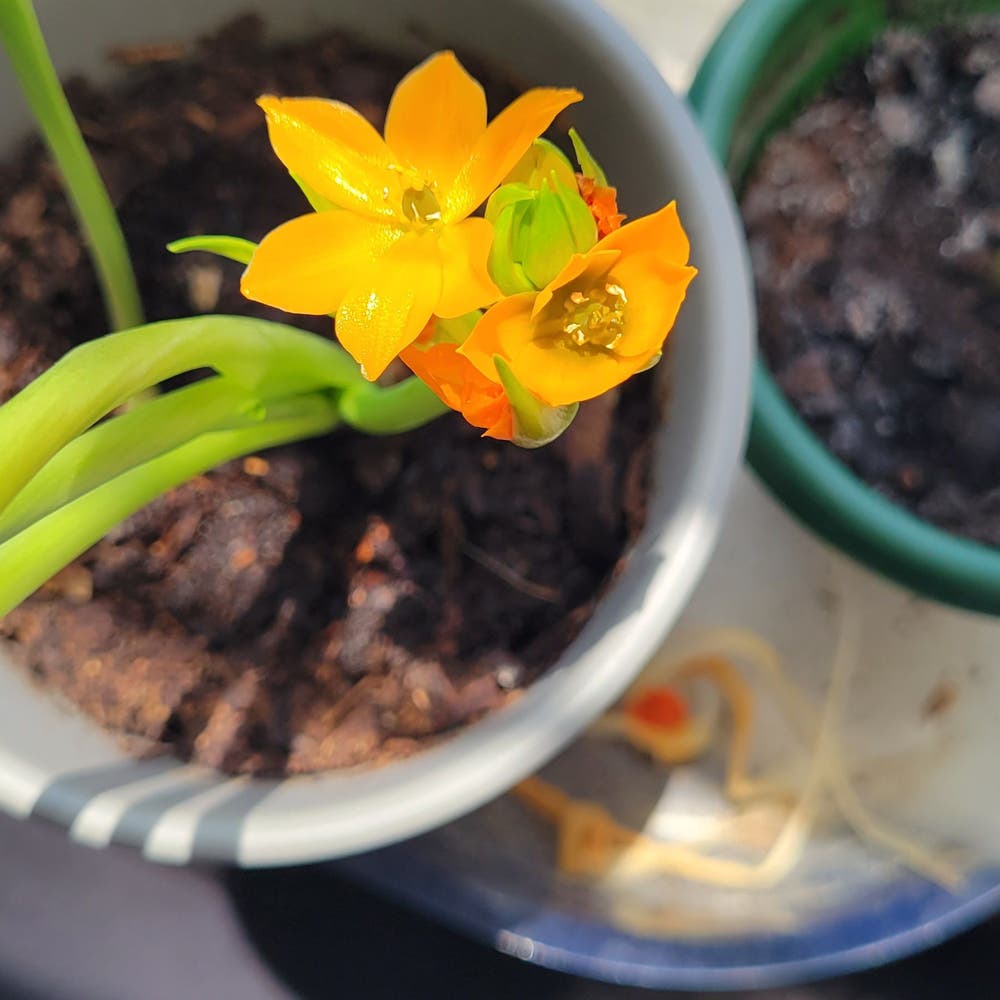
7 Common Sunstar Flower Flowering Issues
Ornithogalum dubium
By the Greg Editorial Team
Oct 16, 2024•3 min read
This article was created with the help of AI so we can cover more plants for you. May contain errors. See one? Report it here.
Master the art of nurturing Sunstar flowers 🌼 for stunning blooms by optimizing light, nutrients, and care techniques!
- 🌞 Sunstar flowers need 6-8 hours of bright, indirect sunlight for optimal blooming.
- 🌱 Nutritional deficiencies, especially phosphorus and potassium, hinder flower development significantly.
- 💧 Overwatering causes premature flower drop; let soil dry out between waterings.
Flowering Issues in Sunstar Flower
🌸 Failure to Bloom
Potential Causes
Light Requirements
Sunstar flowers thrive on light, but too little can lead to weak growth. Conversely, excessive light can stress the plant, hindering its blooming potential.
Nutritional Deficiencies
A lack of essential nutrients, particularly phosphorus and potassium, can stifle flower development. These nutrients are crucial for vibrant blooms.
Environmental Stress
Temperature extremes can negatively impact plant health. Additionally, humidity levels play a significant role in flower production.
💡 Solutions
Adjusting Light Exposure
Aim for 6-8 hours of bright, indirect sunlight daily. If natural light is insufficient, consider relocating your plants or using grow lights.
Fertilization
Apply balanced fertilizers with a higher phosphorus content. Timing your fertilization to align with the bloom cycle can enhance flowering.
🌼 Premature Flower Drop
Causes
Overwatering
Overwatering is a common culprit, often indicated by yellowing leaves and wilting. This can lead to root rot, which causes flowers to drop prematurely.
Temperature Fluctuations
Sudden temperature changes can stress the plant. Inconsistent day and night temperatures can also disrupt blooming.
🚰 Solutions
Proper Watering Techniques
Allow the soil to dry out between waterings to prevent waterlogging. Using well-draining soil is essential for healthy roots.
Temperature Control
Maintain stable temperatures between 20°C to 25°C (68°F to 77°F). Avoid placing your plants near drafts or extreme heat sources.
🌱 Abnormal Flower Development
Causes
Nutritional Imbalances
Excess nitrogen can lead to lush foliage but fewer flowers. Deficiencies in key nutrients can also compromise flower quality.
Pest Infestations
Common pests like aphids and spider mites can severely affect flower health. Regular monitoring is crucial for early detection.
🛡️ Solutions
Correcting Soil Nutrients
Conduct soil tests to identify any nutrient deficiencies. Adjust your fertilization practices to ensure your plants receive the necessary nutrients.
Pest Management
Regular inspections can help catch infestations early. Consider using insecticidal soap or neem oil for effective pest control.
🌞 Environmental Factors
Light Requirements
Light is essential for photosynthesis and flower production. Sunstar flowers require specific light conditions to flourish.
Nutritional Needs
Phosphorus and potassium are vital for flower development. Watch for signs of nutrient deficiencies, such as poor growth or discolored leaves.
Pruning Techniques
Timing your pruning can encourage new growth. Follow best practices to prune effectively without damaging existing buds.
🍂 Seasonal Considerations
Seasonal Changes and Their Impact on Bloom Cycle
Seasonal shifts can significantly affect flowering patterns. Adjusting care practices to align with these changes is essential for optimal growth.
Adjusting Care Practices Based on Seasonal Needs
Modify your watering and fertilization schedules as seasons change. Preparing your plants for seasonal temperature variations can enhance their resilience.
⚠️ Safety First
This content is for general information and may contain errors, omissions, or outdated details. It is not medical, veterinary advice, or an endorsement of therapeutic claims.
Always consult a qualified healthcare professional before using any plant as food, medicine, or supplement.
Never eat any plant (or feed one to pets) without confirming its identity with at least two trusted sources.
If you suspect poisoning, call Poison Control (800) 222-1222, the Pet Poison Helpline (800) 213-6680, or your local emergency service immediately.
Spotted an error? Please report it here.
Keep your Sunstar flowers blooming brilliantly 🌼 by using Greg's personalized care tips and watering reminders to ensure they get the light and nutrients they need!