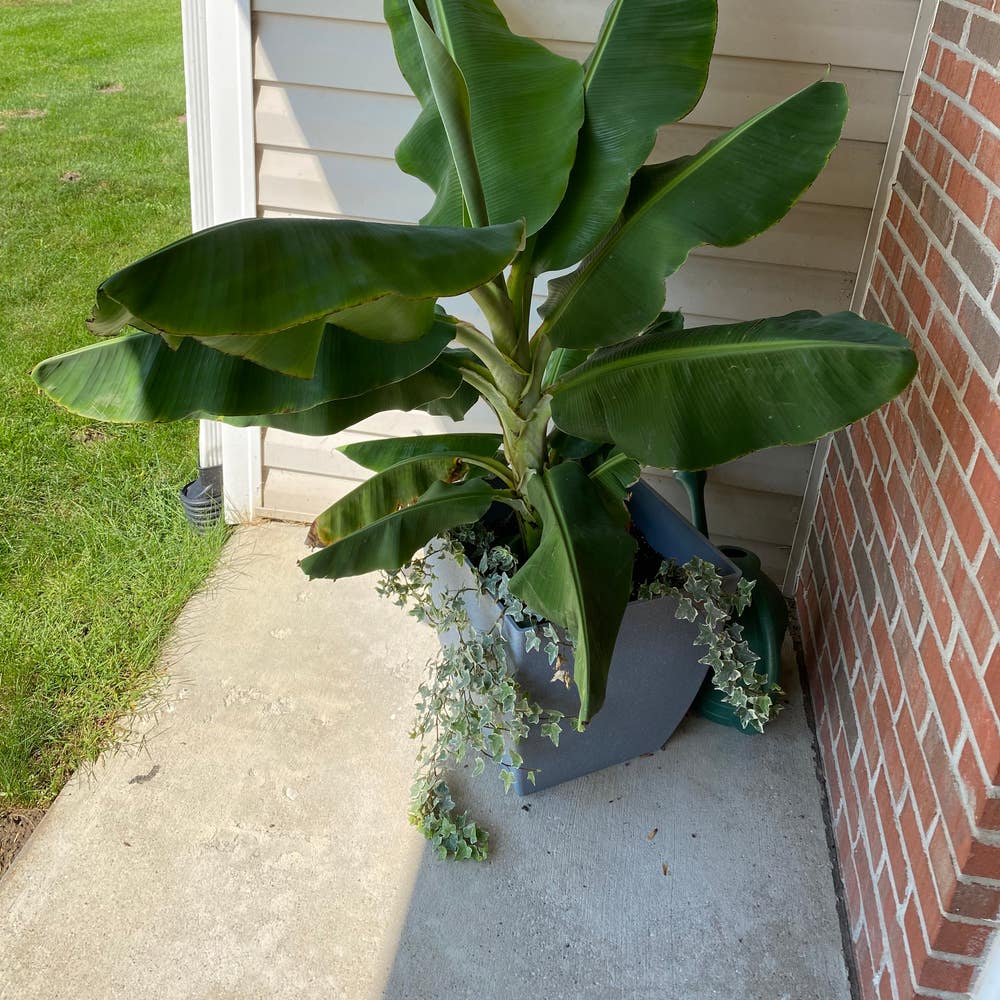
🍌 Ultimate Guide to Growing Abyssinian Banana
Ensete ventricosum
By the Greg Editorial Team
Oct 09, 2024•5 min read
This article was created with the help of AI so we can cover more plants for you. May contain errors. See one? Report it here.
Grow thriving Abyssinian bananas 🌱 with expert tips on soil, planting, and care for a bountiful harvest!
- ☀️ Abyssinian bananas need 6-8 hours of full sun for optimal growth.
- 🌱 Use well-draining, organic-rich soil with a pH of 5.5 to 7.0.
- 🌿 Space plants 4-6 feet apart for airflow and healthy expansion.
Site Selection and Soil Preparation
Choosing the Right Location 🌞
To grow a thriving Abyssinian banana, start by selecting a spot that receives full sun for at least 6 to 8 hours daily. This sunlight is crucial for robust growth and fruit production.
Space is equally important; ensure a minimum distance of 4 to 6 feet between plants. This spacing allows for adequate airflow and room for the plants to expand.
Soil Type and pH Requirements 🌱
The ideal soil for Abyssinian bananas is well-draining and rich in organic matter. This type of soil supports healthy root development and nutrient absorption.
Aim for a pH range between 5.5 and 7.0. This balance ensures optimal nutrient uptake, which is vital for the plant's overall health.
Preparing the Soil 🧑🌾
Before planting, enhance your soil with amendments like compost, well-rotted manure, and peat moss. These additions enrich the soil, providing essential nutrients for your bananas.
Consider drainage as well; raised beds or mounds can help prevent waterlogging. Proper drainage is key to avoiding root rot and ensuring your plants thrive.
With the right location and soil preparation, you're setting the stage for a successful Abyssinian banana garden. Next, let’s explore the best planting techniques to get your bananas off to a great start.
Planting Techniques
Best Planting Time 🌱
The ideal time to plant your Abyssinian banana is during late spring to early summer, once the threat of frost has passed. This timing allows the plant to establish itself in warm soil, promoting robust growth.
Planting Depth and Spacing 📏
For seedlings, aim to plant them at a depth of 2 to 3 inches. Ensure you space them 4 to 6 feet apart to give each plant ample room to thrive and spread.
Container vs. Ground Planting 🪴
If you choose to grow your bananas in containers, select pots that are at least 15 gallons in size. Container planting offers advantages like mobility and a controlled environment, making it easier to manage your plants' needs.
Transitioning from planting techniques, let’s explore how to effectively water and fertilize your Abyssinian banana for optimal growth.
Watering and Fertilizing
Watering Frequency and Methods 🌊
Watering your Abyssinian banana is crucial for its growth. During dry periods, aim for a weekly watering schedule, increasing frequency in hot weather.
Deep watering is the way to go. This method encourages robust root growth, ensuring your plant thrives.
Types of Fertilizers Suitable for Abyssinian Banana 🌱
When it comes to fertilizers, a balanced NPK (10-10-10) is a solid choice. Organic options like fish emulsion also work wonders for your banana plants.
Fertilize monthly during the growing season. This keeps your plants nourished and ready to flourish.
Signs of Overwatering or Underwatering 🚰
Recognizing the signs of overwatering is essential. Look for yellowing leaves, wilting, or even root rot as indicators that you might be giving too much water.
On the flip side, underwatering shows up as browning leaf edges and drooping leaves. Keep an eye on these symptoms to maintain a healthy plant.
Understanding how to properly water and fertilize your Abyssinian banana will set the stage for its success. Next, let’s dive into the pruning and maintenance techniques that will keep your plant in top shape.
Pruning and Maintenance
When and How to Prune 🌱
The best time to prune your Abyssinian banana is early spring, just before new growth begins. Use clean cuts to avoid introducing disease, and focus on removing any damaged or dead leaves.
Removing Dead Leaves and Suckers ✂️
Regular maintenance is crucial for promoting airflow and reducing the risk of disease. When removing suckers, cut them at the base, ensuring you leave the healthy plants intact.
Ongoing Care Routine for Healthy Growth 🌿
Conduct regular inspections to check for pests and diseases; early detection is key. Additionally, mulching helps retain moisture and suppress weeds, creating a healthier environment for your bananas.
With proper pruning and maintenance, your Abyssinian banana will thrive, setting the stage for fruitful growth. Next, let’s explore common challenges and solutions to keep your plants healthy and vibrant.
Common Challenges and Solutions
🐛 Pests and Diseases Affecting Abyssinian Banana
Abyssinian bananas can face a variety of pests, including aphids, spider mites, and banana weevils. These pests can weaken your plants, so early detection is crucial.
To manage diseases, focus on preventing fungal infections and root rot. Ensure good air circulation and avoid overwatering to keep your plants healthy.
🌡️ Environmental Stress Factors
Temperature plays a significant role in the growth of Abyssinian bananas. They thrive in temperatures between 70°F to 90°F (21°C to 32°C), so keep an eye on the weather.
Humidity is another key factor. These plants prefer moderate to high humidity levels, so consider misting or using a humidifier if your environment is too dry.
🔍 Tips for Troubleshooting Growth Issues
Identifying growth problems early can save your plants. Look for signs like yellowing leaves or stunted growth, which may indicate underlying issues.
To address these problems, adjust your watering schedule, improve soil quality, and implement pest control measures. Regular monitoring will help you catch issues before they escalate.
With these strategies, you can keep your Abyssinian bananas thriving and healthy. Next, let’s explore the ongoing care routine needed for their optimal growth.
⚠️ Safety First
This content is for general information and may contain errors, omissions, or outdated details. It is not medical, veterinary advice, or an endorsement of therapeutic claims.
Always consult a qualified healthcare professional before using any plant as food, medicine, or supplement.
Never eat any plant (or feed one to pets) without confirming its identity with at least two trusted sources.
If you suspect poisoning, call Poison Control (800) 222-1222, the Pet Poison Helpline (800) 213-6680, or your local emergency service immediately.
Spotted an error? Please report it here.
Cultivate thriving Abyssinian bananas 🌱 with Greg's tailored watering reminders and expert care tips, ensuring your plants flourish in their perfect environment!