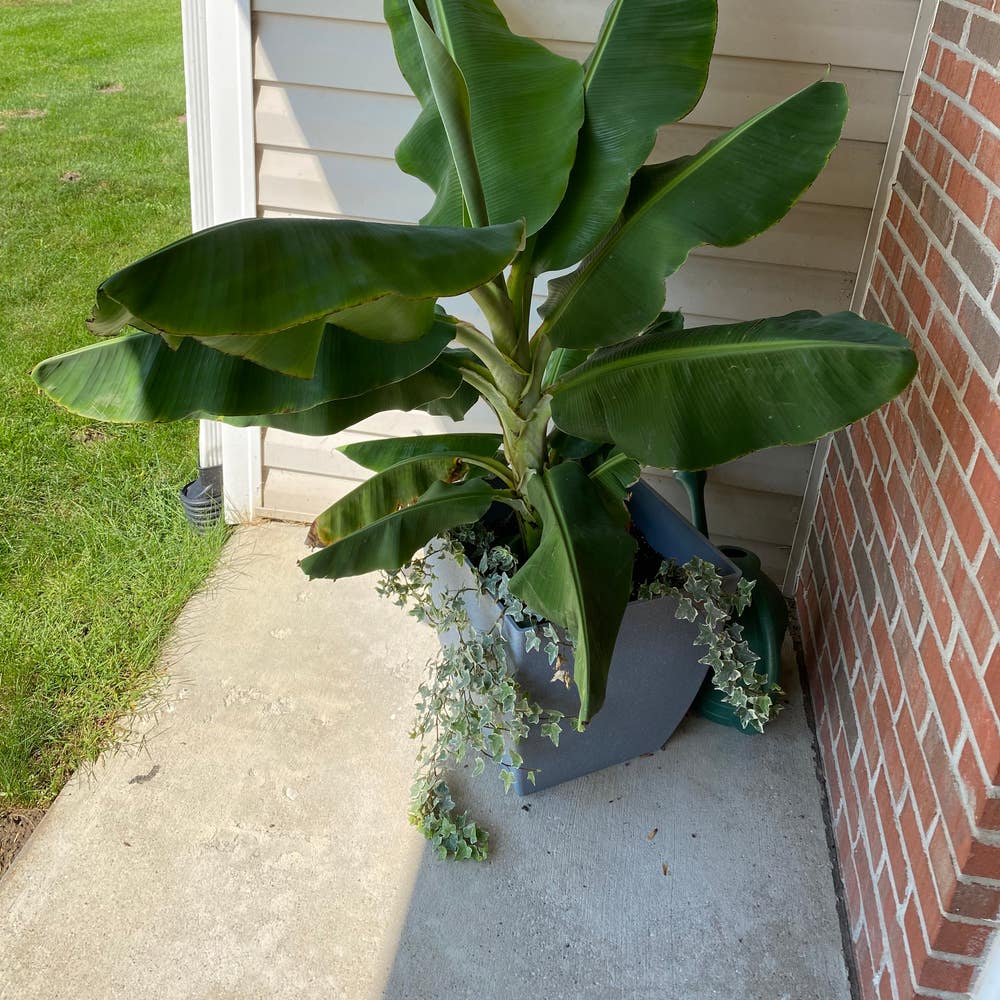
When and How to Repot Your Ensete 🪴
Ensete ventricosum
By the Greg Editorial Team
Nov 26, 2024•5 min read
This article was created with the help of AI so we can cover more plants for you. May contain errors. See one? Report it here.
Revitalize your Ensete 🌱 with essential repotting tips for vibrant growth and lasting health!
- 🌱 Spring is the best time to repot Ensete for optimal growth.
- 🏺 Use a pot 2-4 inches larger with drainage holes to prevent waterlogging.
- 🌿 Monitor for stress signs post-repotting to ensure healthy acclimation.
Timing for Repotting Ensete
Best seasons for repotting 🌸
Spring is the prime time for repotting your Ensete. As the plant awakens from dormancy and enters its active growth phase, it’s ready to thrive in a new pot.
If you miss the spring window, don’t worry! Early summer is also a suitable time to repot, allowing your plant to adjust before the heat of summer sets in.
Growth cycle considerations 🌱
Timing your repotting around the plant's growth cycle is crucial. Aim to repot before new growth begins to minimize stress on the Ensete.
Alternatively, consider repotting after the flowering phase. This rejuvenates the plant and prepares it for a fresh growth cycle, ensuring it remains healthy and vibrant.
With the right timing, your Ensete will flourish in its new environment, setting the stage for successful growth. Next, let’s explore the techniques for repotting your Ensete effectively.
Repotting Techniques
Step-by-step guide to repotting Ensete 🌱
Repotting your Ensete can seem daunting, but breaking it down into manageable steps makes it straightforward. Here’s how to do it effectively:
Prepare the new pot: Start by selecting a pot with drainage holes and ensure it’s clean to prevent any disease.
Choose the right soil mix: Opt for a well-draining potting mix that will support healthy growth.
Remove the plant: Gently slide the Ensete out of its current pot, making sure to support the pseudostem to prevent damage.
Inspect the root system: Take a moment to check for any damaged or rotting roots. Trim them as necessary to promote healthy growth.
Place in new pot: Position the Ensete in the center of the new pot, ensuring the pseudostem remains upright for stability.
Fill with soil: Add soil around the roots, pressing gently to eliminate any air pockets that could hinder growth.
Water thoroughly: Finally, water the plant well, ensuring the soil is moist but not waterlogged to avoid root rot.
Handling the root system during repotting 🪴
When it comes to the roots, gentle handling is key. Minimize disturbance to avoid shocking the plant.
Prune only if necessary; focus on removing severely damaged roots. This careful approach helps your Ensete recover and thrive after repotting.
With these techniques in hand, you’re well-equipped to give your Ensete a fresh start. Next, let’s explore how to choose the right pot for your plant’s needs.
Choosing the Right Pot
🏺 Recommended Pot Materials
Selecting the right pot for your Ensete is crucial for its health and growth. Here are the most common materials to consider:
- Ceramic: Offers great insulation and looks fantastic, but it can be quite heavy.
- Plastic: Lightweight and budget-friendly, though it might retain heat more than other materials.
- Terracotta: Known for excellent drainage, but it tends to dry out quickly.
📏 Pot Size Considerations
When repotting, size matters.
- Size Up: Opt for a pot that is 2-4 inches larger in diameter than the current one. This gives the roots room to grow.
- Depth: Ensure the pot is deep enough to accommodate the Ensete's extensive root system.
⚖️ Pros and Cons of Different Pot Materials
Understanding the advantages and disadvantages of each pot material can help you make an informed choice.
Ceramic
- Pros: Durable, visually appealing, and retains moisture well.
- Cons: Heavy and can crack in freezing temperatures.
Plastic
- Pros: Lightweight, inexpensive, and versatile.
- Cons: Less breathable, which can lead to root rot if drainage is inadequate.
Terracotta
- Pros: Breathable and provides excellent drainage.
- Cons: Prone to drying out quickly and can be fragile.
Choosing the right pot is more than just aesthetics; it directly impacts your Ensete's health. With the right materials and size, your plant will thrive, setting the stage for successful growth.
Next, let’s dive into the soil and drainage requirements to ensure your Ensete has the best foundation for its new home.
Soil and Drainage Requirements
Ideal soil mix for Ensete 🌱
Creating the perfect soil mix for your Ensete is crucial for its health. Aim for a blend of 50% potting soil, 30% perlite, and 20% compost to ensure optimal growth.
The pH level should be slightly acidic to neutral, ideally between 6.0 and 7.0. This balance helps your plant absorb nutrients effectively, promoting vibrant growth.
Importance of drainage in pot selection 🚰
Good drainage is non-negotiable when it comes to pot selection. It prevents waterlogging, which can suffocate roots and lead to rot.
Additionally, proper drainage encourages aeration, allowing roots to breathe and thrive. This is essential for a healthy, robust Ensete that can flourish in its new environment.
In summary, focus on a well-balanced soil mix and prioritize drainage to set your Ensete up for success. With the right foundation, your plant will be ready to grow and thrive in its new pot.
Post-Repotting Care
🌱 How to acclimate Ensete after repotting
After repotting your Ensete, it's crucial to help it adjust to its new environment. Start by placing the plant in indirect light for a few days to avoid overwhelming it with too much sun.
Maintaining humidity is also essential during this transition. You can mist the plant regularly or set it on a humidity tray to create a more favorable atmosphere.
👀 Monitoring for stress signs post-repotting
Keep an eye out for signs of stress in your Ensete. Wilting leaves can indicate overwatering or shock, so check the soil moisture levels to ensure you're not drowning your plant.
Yellowing foliage may suggest nutrient deficiencies or issues with the roots. Additionally, stunted growth can be a signal that your plant is still adjusting, so monitor its recovery closely.
By paying attention to these signs, you can ensure your Ensete thrives after repotting. This proactive approach will help you catch any potential problems early, allowing your plant to flourish in its new home.
As you nurture your Ensete, you'll be ready to explore the next important aspect: choosing the right pot for optimal growth.
⚠️ Safety First
This content is for general information and may contain errors, omissions, or outdated details. It is not medical, veterinary advice, or an endorsement of therapeutic claims.
Always consult a qualified healthcare professional before using any plant as food, medicine, or supplement.
Never eat any plant (or feed one to pets) without confirming its identity with at least two trusted sources.
If you suspect poisoning, call Poison Control (800) 222-1222, the Pet Poison Helpline (800) 213-6680, or your local emergency service immediately.
Spotted an error? Please report it here.
Repot your Ensete like a pro 🌱 with Greg's tailored reminders and expert tips, ensuring your plant enjoys a thriving new home!